
ECONOMY
Rome's €44 ice cream and Florence's rental ban tell the same story
Mass tourism is generating revenue and resentment in equal measure, with ordinary residents paying the price
Economy Desk605 wordsEdition №9Tuesday, 9 June 2026 — Edition № 9
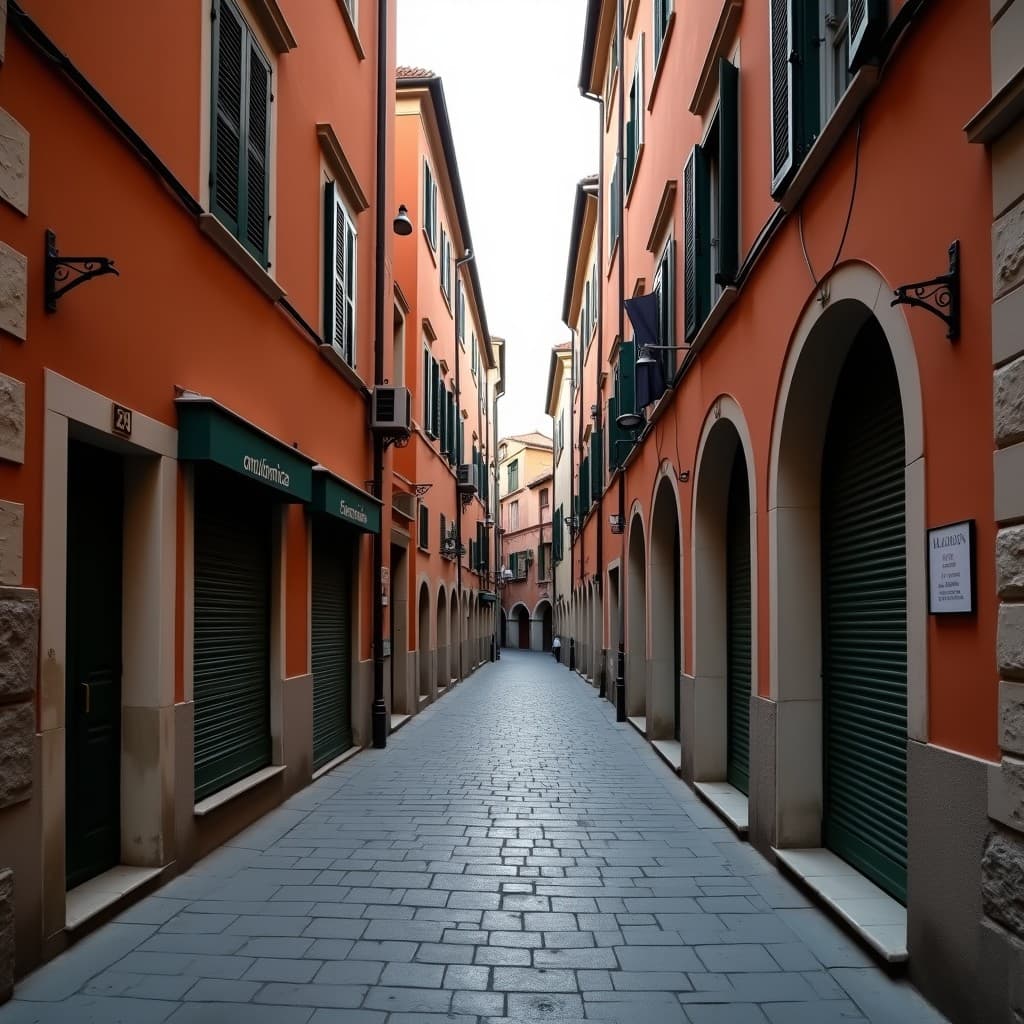
A Facebook post by a Florida tourist who paid €44 for two ice creams at a Rome parlour drew more than 900 comments and landed in the Guardian this week, becoming the latest data point in a long-running international debate about predatory pricing in Italian cities. The figure is striking not because it is unique but because it is routine enough to go viral: visitors arrive with euros that, against a dollar trading at 1.154 and a pound at 0.8636, stretch further than they did two years ago, yet they still encounter bills that feel extortionate.
The exchange-rate context matters here. The euro has weakened against the dollar by roughly two cents over the past thirty days alone — from 1.1761 on 8 May to 1.154 on 8 June — making the eurozone marginally cheaper for American visitors in currency terms. That softening has not, however, translated into lower prices at the tourist-facing end of the Roman economy; if anything, operators appear to be capturing the margin themselves.
The housing side of the same dynamic is playing out in Florence. The Local Italy reported this week that the city council gave final approval to an expansion of Italy's first short-term rental freeze, extending it beyond the historic centre to nine residential neighbourhoods where listings on platforms such as Airbnb have surged. The decision reflects a calculation that the short-term rental market, while profitable for landlords, is compressing the supply of long-term housing available to workers and families — a tension that the World Bank's own urban indicators flag as a structural risk in high-tourism economies.
Italy's headline economic numbers for 2024 give the underlying pressure a precise shape. GDP grew at just 0.69 percent, a rate that leaves little room for productivity gains to absorb rising costs. Inflation, at 0.98 percent for the year, was subdued — which means the price spikes tourists encounter in central Rome or Florence are not a general phenomenon but a localised extraction, concentrated where visitor footfall is densest and competition weakest.
Unemployment stood at 6.39 percent in 2025, a figure that looks manageable in aggregate but conceals a labour market heavily segmented by geography and sector. Tourism and hospitality employ a large share of workers in cities like Rome, Florence, Venice and Palermo, often on seasonal or informal terms. When those workers cannot afford to live in the cities where they serve, the sector faces a structural staffing problem that no amount of viral ice-cream outrage resolves.
The Florence rental ban is being watched across Italy, according to The Local Italy, because it is the first municipal intervention of its kind to move beyond the historic core. Other cities are considering similar measures in the absence of national legislation. The policy question — whether to regulate short-term lets at the city level, the regional level, or through a national framework — has direct fiscal implications: platform-mediated rentals generate tax receipts, but they also displace residents who pay local taxes and use local services year-round.
Taken together, the Rome pricing scandal and the Florence housing measure are not separate stories. They are two symptoms of an economy that has become structurally dependent on visitor spending without building the regulatory architecture to distribute its gains. Foreign correspondents have noted this tension for years; what is new in June 2026 is that Italian municipalities are beginning to act unilaterally, suggesting that the national government has not yet produced a coherent framework. How that gap is filled — and whether it is filled before the next election cycle — will shape the economics of Italian cities more durably than any single viral post.