
CULTURA
French street artist JR wraps Italian river in monumental intervention
The ubiquitous French artist's latest project charts a new direction in public art, documented by Taschen in real time
Eleonora Vanzetti1,189 wordsEdition №5Friday, 5 June 2026 — Edition № 5
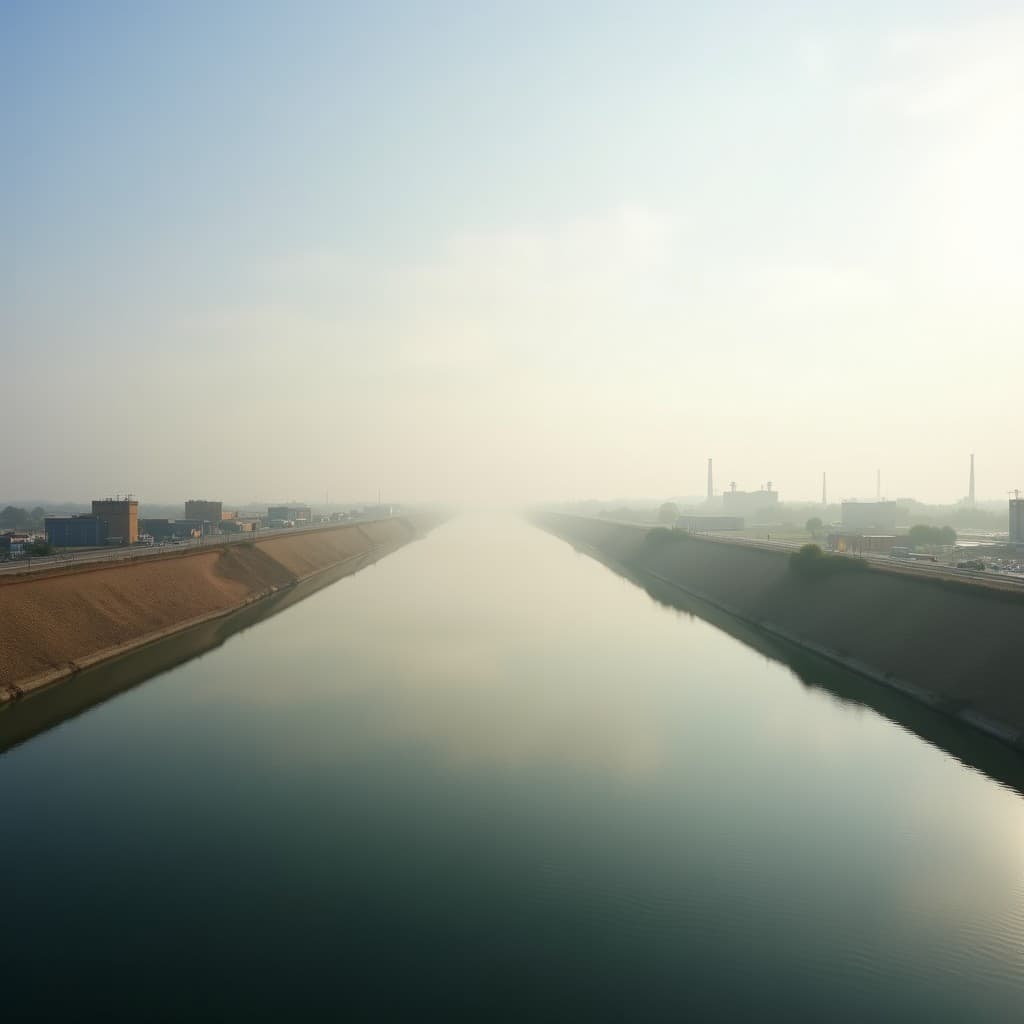
French street artist JR is undertaking a monumental intervention on the Po River, Italy's longest river, from 6 to 28 June, according to The Art Newspaper. Taschen is publishing a new project book charting the development of this latest work, marking a shift in how the artist's practice is documented and distributed. The publication strategy—capturing the work in real time rather than retrospectively—reflects the growing integration of contemporary art with the publishing and media industries that sustain its circulation.
JR's practice has long operated at the intersection of street art, documentary photography, and social intervention. The Art Newspaper notes that a new Taschen volume examines all major works created by the French artist through behind-the-scenes photography and extended essays. This comprehensive documentation positions JR within the canon of contemporary art rather than treating him as a peripheral figure in street culture, a shift that reflects the mainstreaming of street art within institutional galleries and publishing houses over the past two decades.
The Po River project represents a significant geographic and conceptual expansion of JR's work. Rather than intervening in urban spaces or on architectural facades, the artist is engaging with a natural landscape at a monumental scale. The choice of the Po—which flows through northern Italy and carries historical, economic, and environmental significance—suggests an engagement with Italian geography and perhaps with the environmental pressures facing European rivers in an era of climate stress.
JR's career trajectory illustrates the changing relationship between street art and the international art market. Beginning as an anonymous practitioner of urban intervention, the artist has gradually moved into the institutional sphere without abandoning the public, participatory dimensions of street work. The Taschen publication represents a culmination of this trajectory: a major international publisher is investing in the documentation and dissemination of work that originated outside gallery spaces.
The Po River intervention is particularly significant given Italy's current climate vulnerabilities. The Po basin has experienced severe drought in recent years, and the river has become a focal point for discussions about water scarcity, agricultural stress, and environmental management in northern Europe. By wrapping the Po, JR is intervening in a landscape marked by environmental anxiety, though the specific conceptual content of the wrapping remains unclear from the available reports.
Taschen's decision to publish a project book documenting the work's development, rather than waiting for its completion, reflects contemporary publishing practices in contemporary art. The book becomes part of the artwork's circulation and meaning-making, not merely a record of it. This approach also serves a commercial function: it generates media attention and sales momentum around the work while it is still in progress, extending the project's visibility beyond the geographic location where the physical intervention occurs.
The timing of the intervention—June 2026—places it within the broader context of the Venice Biennale season. JR's work will be circulating in the international art world's attention simultaneously with the Biennale's contested 2026 edition. This convergence of high-profile artistic events in Italy during the same period underscores the country's continued centrality to global contemporary art discourse, even as institutional tensions at the Biennale raise questions about the coherence of that discourse.
JR's practice has historically engaged with questions of visibility, representation, and public participation. His earlier works—including large-scale wheat-pasting campaigns in urban centres and participatory photography projects—have emphasised the artist's role as a facilitator of collective image-making rather than a solitary creator. The Po River wrapping, while monumental in scale, may continue this participatory dimension, though the reports available do not specify whether the public will be invited to contribute to or interact with the work.
The choice of the Po River also connects to broader European conversations about migration and borders. The Po basin sits near Italy's northern frontier with France and Switzerland, regions that have been central to debates about migration control and European identity. While the available reports do not indicate that JR's intervention directly addresses migration, the artist's previous work has frequently engaged with border politics and the visibility of marginalised populations.
From a publishing perspective, the Taschen project book represents a significant investment in JR's cultural legitimacy. Taschen is known for producing high-quality art books aimed at collectors and institutions; its decision to document this particular work signals that JR's practice is now considered worthy of the kind of scholarly and aesthetic attention typically reserved for established contemporary artists. This legitimation process has consequences for the art market: as JR's work becomes more institutionalised, prices for his pieces increase, and his influence over younger artists expands.
The Art Newspaper's coverage of the Po River project places it within a broader context of contemporary art publishing trends. The magazine noted that Taschen is also publishing a comprehensive volume examining JR's entire body of work through behind-the-scenes photography and extended essays. This dual publication strategy—a retrospective survey alongside a real-time project documentation—positions JR as an artist whose practice warrants both historical assessment and ongoing critical attention.
The monumental scale of the Po River wrapping also reflects changing attitudes toward public art in Italy. Italian cities have historically been cautious about large-scale interventions in historic landscapes, yet the Po project appears to have received institutional support or at least permission. This suggests a shift in how Italian cultural authorities view contemporary art interventions, or alternatively, that JR's international reputation is sufficient to overcome local resistance.
The environmental dimension of wrapping a river—literally covering it, even temporarily—raises conceptual questions about visibility, concealment, and human intervention in natural systems. Whether intentionally or not, the work engages with contemporary anxieties about environmental transformation and human agency. The Po, as Italy's most significant river, carries symbolic weight; to wrap it is to make a statement about human capacity to alter or obscure natural systems.
The project also intersects with Italy's cultural economy in tourism and cultural consumption. The Po River region attracts visitors interested in landscape, agriculture, and regional culture. JR's intervention will likely draw additional attention to the region, generating media coverage and potentially increasing tourist interest. This cultural spillover effect is part of how contemporary art functions as a driver of regional economic activity.
Looking at the broader context of street art's institutionalisation, the Po River project marks a significant moment. JR began his career as an anonymous practitioner working outside institutional frameworks; he now works with major international publishers, participates in biennales and major exhibitions, and undertakes large-scale projects with apparent institutional support. This trajectory reflects the art world's absorption of street art into its mainstream institutions—a process that has enriched contemporary art discourse but also raised questions about whether street art retains its critical edge once it becomes institutionalised.
The Taschen publication strategy also reflects the contemporary art world's increasing integration with media and publishing industries. Art is no longer primarily circulated through physical exhibition; it is circulated through photographs, documentation, essays, and social media. By publishing the project book during the work's execution, Taschen ensures that the Po River wrapping reaches a global audience through multiple channels simultaneously.