
CALABRIA
Italy bans Kanye West and Travis Scott concerts over security and antisemitism concerns
Prefect halts July performances in Reggio Emilia after Jewish community raises alarm; authorities cite public order risks and artist's history of inflammatory remarks.
Saverio Gallo1,198 wordsEdition №3Wednesday, 3 June 2026 — Edition № 3
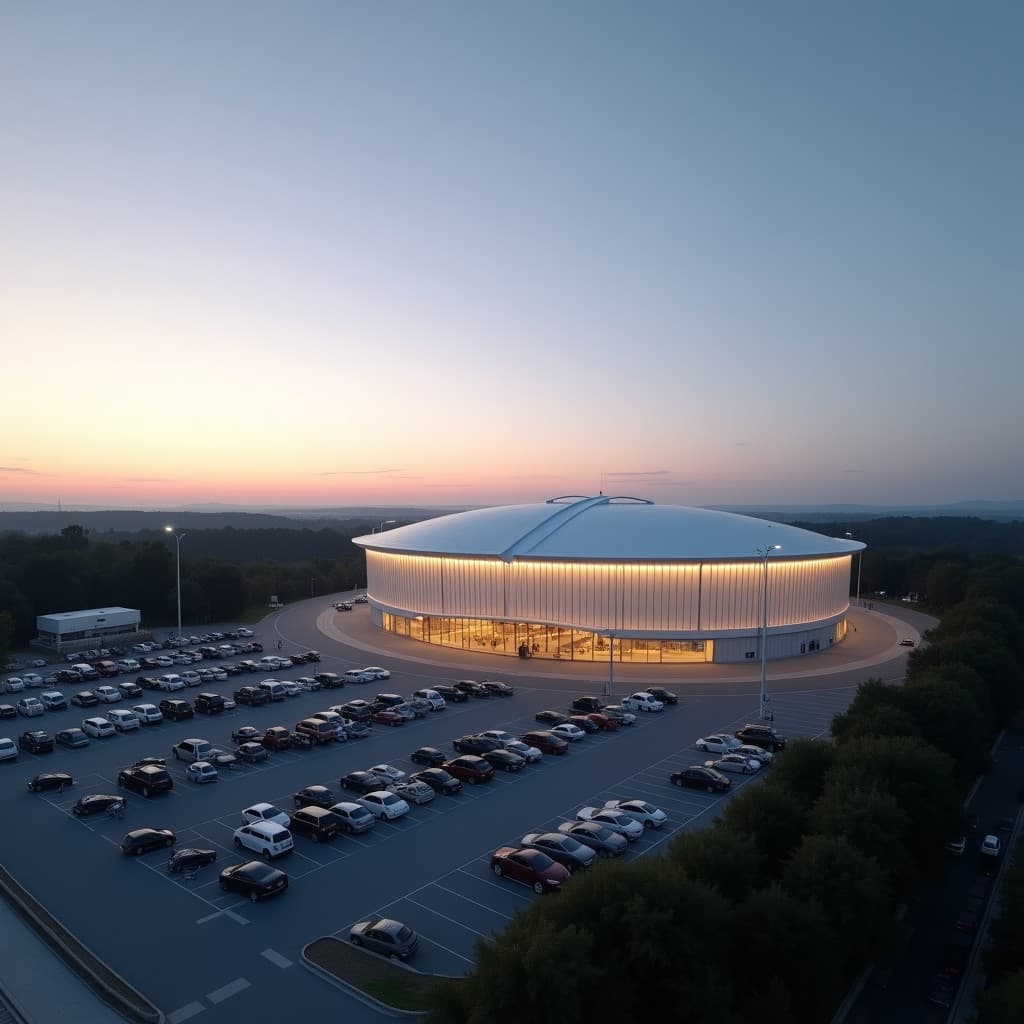
Prefect Salvatore Angieri of Reggio Emilia announced on Friday that two concerts due to take place in July at the RCF Arena would not proceed, according to Reuters, the Guardian, and the BBC. Kanye West, who changed his name to Ye in 2021, was scheduled to perform on 18 July; Travis Scott was booked for 17 July at the same 103,000-seat venue as part of the Pulse of Gaia Festival.
The decision followed a request from the local Jewish community to cancel West's performance, according to the BBC and Ynetnews. The prefecture cited multiple factors: public order risks, potential for protest and disruption, and concerns about the artist's history of antisemitic remarks and use of Nazi imagery.
The ban represents an unusual intervention by Italian authorities in cultural programming. Concert cancellations on security grounds are rare in Italy; the decision signals that West's public statements have crossed a threshold that local officials deemed incompatible with public safety in a city with a significant Jewish population.
Reggio Emilia, a city of roughly 170,000 in the Emilia-Romagna region of northern Italy, has a Jewish community with roots stretching back centuries. The city's Jewish presence was decimated during the Holocaust; the community was rebuilt after 1945 and remains a visible presence in civic life. The local Jewish leadership's decision to formally request the cancellation of West's concert reflects concern that his public statements pose a risk to community safety and dignity.
West's antisemitic remarks have been extensively documented in the international press. In 2022, he made statements on social media that the Anti-Defamation League and other Jewish organisations characterised as antisemitic conspiracy theories. He has also worn clothing bearing Nazi imagery. These actions prompted major brands to distance themselves from him and led to cancellations of other public appearances.
The Pulse of Gaia Festival, scheduled for mid-July at the RCF Arena, was intended to be a major summer event. The venue, located just outside Reggio Emilia, has hosted large concerts and festivals for years. The inclusion of both West and Travis Scott — two major figures in hip-hop and rap — suggested organisers expected significant attendance and media coverage.
Travis Scott's inclusion in the cancellation is noteworthy. The BBC and Reuters report that Scott was also banned, though the primary catalyst for the decision was West's statements. Authorities cited security concerns and protest risks as applying to both performances. This suggests the prefecture determined that the controversy surrounding West would likely affect the broader festival atmosphere and public order.
The prefect's decision is legally grounded in Italian administrative law. Prefects have authority to ban public events on grounds of public order and safety. The threshold for such bans is high — they are not used lightly — but it exists precisely for situations where authorities judge that an event poses genuine risks to public safety or social cohesion.
The international press coverage has emphasised the role of the Jewish community in prompting the ban. Ynetnews reported that Jewish leaders raised alarm over West's antisemitic statements and Nazi imagery. The Guardian noted that the local Jewish community had formally requested cancellation. This framing — that a minority community successfully petitioned authorities to prevent a public figure from performing — has resonated in international coverage as a story about the limits of free expression when speech targets a vulnerable group.
In Italy, the decision has been less controversial than it might be in other democracies. Italian law includes hate speech provisions, and the country has a strong historical memory of fascism and the Holocaust. The prefect's decision to prioritise public order and community safety over the commercial interests of the festival organisers aligns with Italian legal and political culture.
The cancellation also reflects broader European concerns about antisemitism. In recent years, several European countries have faced increased antisemitic incidents, and governments have become more alert to public figures whose statements or imagery invoke antisemitic tropes or Nazi symbolism. Italy, with its own fascist history and ongoing concerns about far-right movements, is particularly sensitive to such issues.
For the festival organisers, the cancellation is a significant loss. The RCF Arena has capacity for over 100,000 people; West and Scott were likely to draw substantial crowds. The economic impact on the venue, the festival, and local hospitality businesses is real. However, the prefect's decision suggests that authorities judged the reputational and safety risks as outweighing the economic benefit.
The decision also raises questions about the boundaries of artistic freedom and public safety in Italy. Concert promoters and artists will likely interpret the ban as a signal that Italian authorities will intervene if a performer's public statements or imagery are deemed to pose risks to social cohesion or community safety. This may affect future bookings and festival programming in Italy.
Reggio Emilia's Jewish community has a documented history of advocacy on issues affecting Jewish life and safety in Italy. The community's decision to formally request the cancellation of West's concert reflects both concern about his specific statements and a broader commitment to ensuring that public spaces remain safe and welcoming for Jewish Italians.
The timing of the announcement — late May, roughly six weeks before the scheduled performances — gives festival organisers time to reorganise programming or seek alternative artists. However, the short timeframe also suggests that the prefecture moved quickly once the Jewish community's concerns were formally raised.
International media coverage has generally framed the ban as a justified response to antisemitism. Reuters, the BBC, and the Guardian all reported the decision straightforwardly, noting the antisemitic statements and the Jewish community's role in requesting cancellation. Ynetnews, an Israeli outlet, emphasised the antisemitism angle and the success of Jewish advocacy in preventing the performance.
The ban does not prevent West or Scott from performing elsewhere in Italy, nor does it constitute a legal prohibition on their entry to the country. It is specific to this festival and venue. However, the prefect's decision may influence other Italian cities and venues to reconsider bookings involving West, given the precedent that Italian authorities will intervene on public order grounds when a performer's statements pose risks to community safety.
Looking forward, the decision will likely be cited in discussions about the limits of free expression in democratic societies, the role of minority communities in advocating for their safety, and the balance between commercial interests and public order. For Reggio Emilia and its Jewish community, the cancellation represents a successful intervention to prevent a public appearance by a figure whose statements they deemed harmful.