
CULTURA
Kouoh's Venice vision shaped by Basel years before her death
The late curator's path from Art Basel to the Biennale reveals how global art networks influence Italy's flagship exhibition.
Eleonora Vanzetti421 wordsEdition №19Thursday, 18 June 2026 — Edition № 19
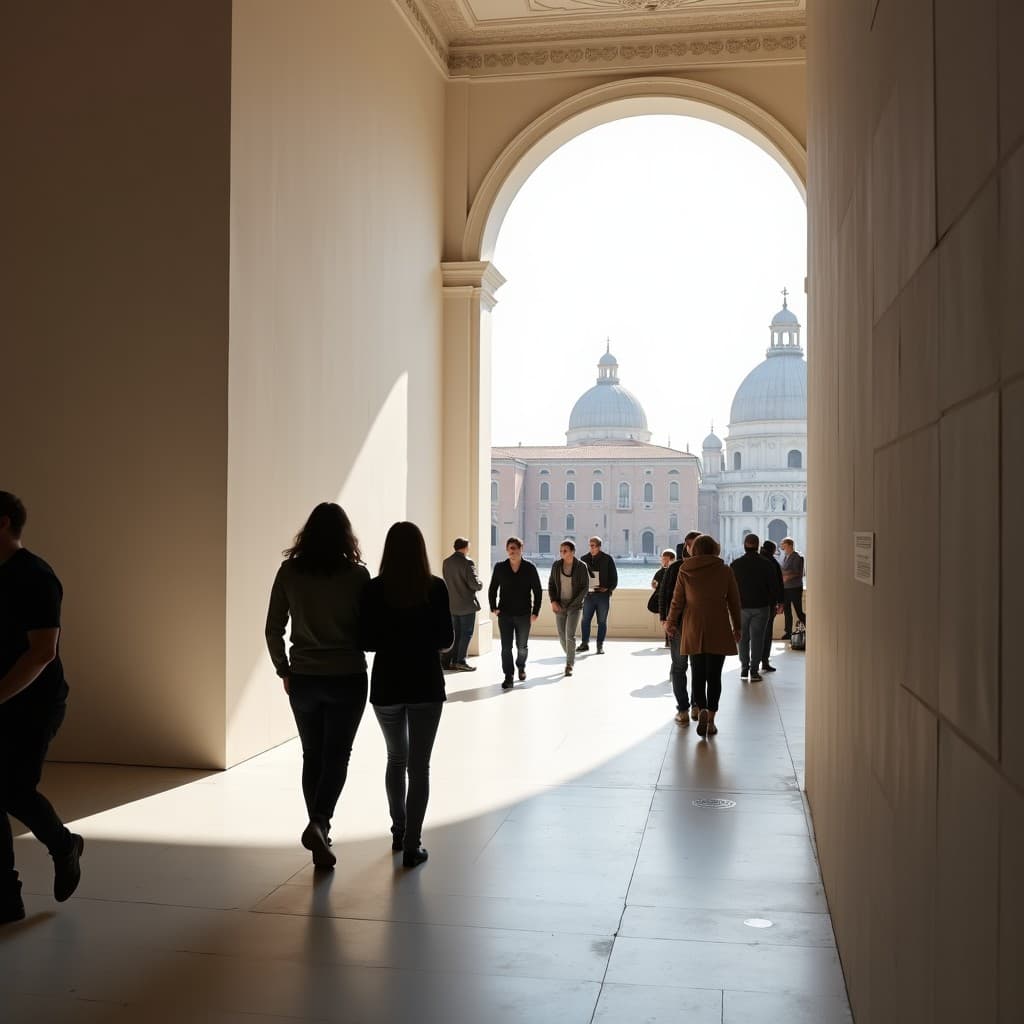
Koyo Kouoh, who died in May last year, left behind a legacy that extends from her formative years at Art Basel to what The Art Newspaper calls "perhaps the most prestigious job for a contemporary art curator"—the directorship of the Venice Biennale. Though she did not live to see the opening of the exhibition she had designed, her vision was posthumously realized by her team, making this year's Biennale a testament to her curatorial thinking and her understanding of how the global art world circulates and exchanges ideas.
Kouoh's path to Venice was rooted in the kind of professional curiosity that drives the international art circuit. As a young art professional, she sought to understand how major art fairs operated, what aesthetic and commercial forces shaped them, and what kinds of exchange were possible at events like Art Basel. That experience—gained in the Swiss fair's commercial and intellectual ecosystem—informed her approach to curating on a larger stage. The Biennale, unlike Art Basel, operates as a state-sponsored platform for contemporary art and national representation, yet Kouoh's background in the fair world gave her insight into how global networks of artists, collectors, and institutions actually function.
Her curatorial appointment to Venice represented a significant moment for the Biennale itself. The fair had long drawn curators from the international circuit, but Kouoh's trajectory—from Basel to one of art's most visible biennial platforms—illustrates how the world's major exhibitions are increasingly shaped by figures who move fluidly between commercial and institutional contexts. Her plans for the Biennale, now being carried out posthumously, carry the imprint of that dual experience.
The Art Newspaper's profile notes that Kouoh's willingness to engage with the mechanics of the art world—how fairs work, how collectors operate, what drives exchange—made her a distinctive voice in contemporary curating. That pragmatism, combined with her intellectual rigor, shaped how she approached the Biennale's role as a platform for emerging and established artists alike. Her death before the opening of the exhibition meant that the Venice show became, in effect, a collaborative realization of her vision, carried forward by her team and colleagues.
The Venice Biennale, held in the lagoon city every two years, remains one of the world's most visible stages for contemporary art. Kouoh's curatorial direction—informed by her years navigating Art Basel and the international art market—brought a particular sensibility to how the Biennale presents itself to the world. Her legacy suggests that the future of major art institutions lies not in isolation from commercial or international forces, but in a sophisticated engagement with them. The 2026 Biennale, shaped by her vision, embodies that principle.