
LIGURIA
Liguria's port faces heat stress as Europe's extreme temperatures test infrastructure
Record temperatures across the continent strain port operations and logistics networks as the heatwave extends into July
Marina Doria360 wordsEdition №32Wednesday, 1 July 2026 — Edition № 32
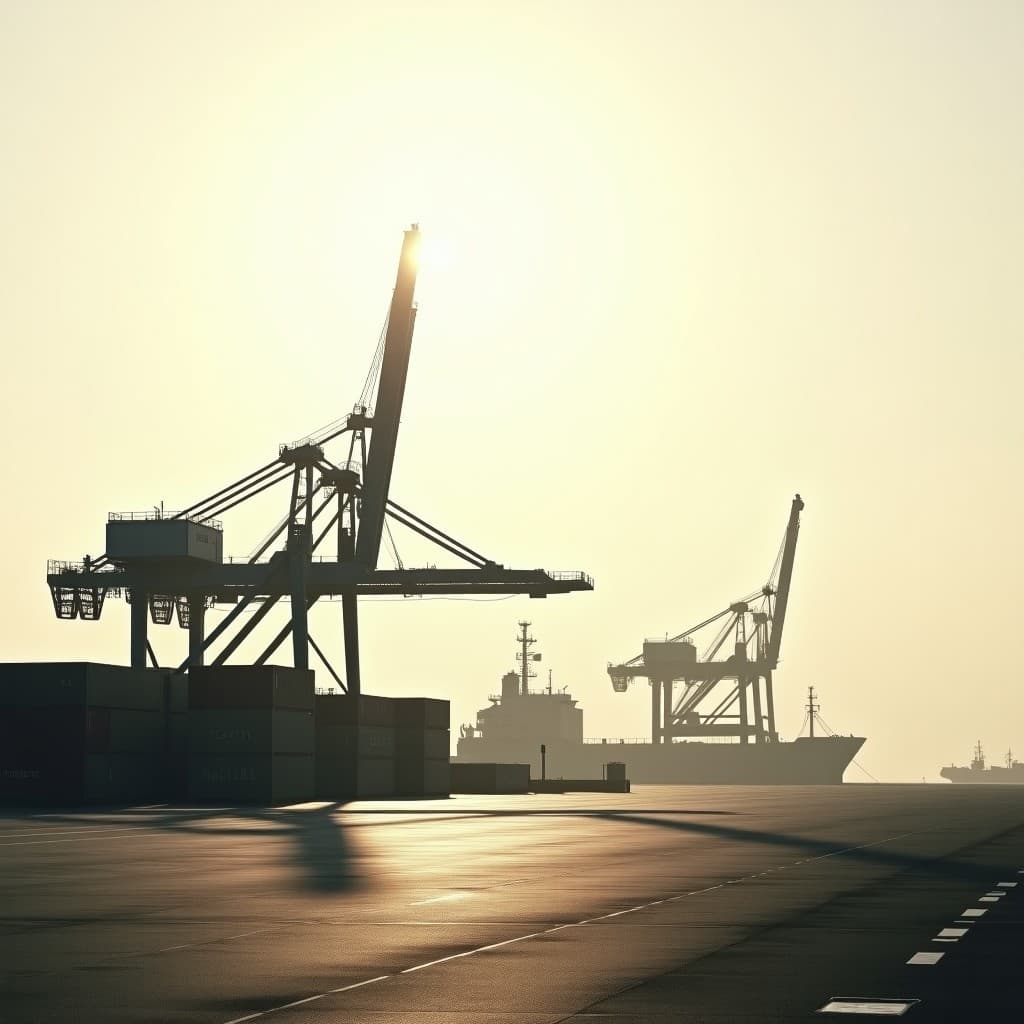
Germany and Italy are sweltering in a heatwave that has shattered temperature records across Europe, according to the Guardian, with the weather system spreading eastward and affecting critical infrastructure. For the Port of Genoa and Liguria's logistics corridor—one of Italy's economic linchpins—extreme heat creates cascading operational challenges: cargo handling equipment operates at reduced efficiency, workers face heat-related health risks, and energy demand for refrigerated container operations and port facilities spikes sharply. The Guardian reported on Saturday that Denmark had recorded its highest temperature on record, a sign of the system's intensity as it moves across the continent.
The heatwave has placed most of Italy on red alert, with forecasts indicating relief beginning only Wednesday. For a port authority managing tens of thousands of containers daily and serving as a gateway for Mediterranean and Northern European trade, sustained high temperatures threaten throughput and cost efficiency. Refrigerated cargo—perishables, pharmaceuticals, and temperature-sensitive goods—requires constant energy input, raising operational costs. Port workers and logistics staff face occupational heat stress, which can slow cargo movements and increase accident risk.
The World Health Organisation reported more than 1,300 excess deaths across Europe since June 21 linked to the heatwave, underscoring the public health dimension of the crisis. While Liguria's mortality impact remains localized, the broader European toll reflects the severity of the weather system. The heatwave also compounds existing pressures on Italy's aging infrastructure: the Port of Genoa's facilities, modernized in recent years but still operating within inherited constraints, must manage peak summer demand while managing heat-induced operational strain.
The timing is particularly acute for Liguria's logistics ecosystem. Summer typically sees increased container traffic as Mediterranean tourism peaks and European retailers stock for autumn, but extreme heat forces slower handling cycles and higher equipment maintenance. The region's position as a northern Mediterranean gateway—competing with Marseille, Barcelona, and ports farther south—means any operational delay or cost increase can shift cargo routing to competitors. As forecasts suggest heat relief from Wednesday onward, port operators will be counting the cost of the sustained extreme temperatures and assessing whether infrastructure upgrades are needed to handle future climate stress.