
TRENTINO-ALTO ADIGE
Four-star South Tyrol resort changes hands as Alpine hospitality consolidates
Lindenhof sale reflects broader European hotel market shift toward institutional investors
Klara Hofer1,289 wordsEdition №10Wednesday, 10 June 2026 — Edition № 10
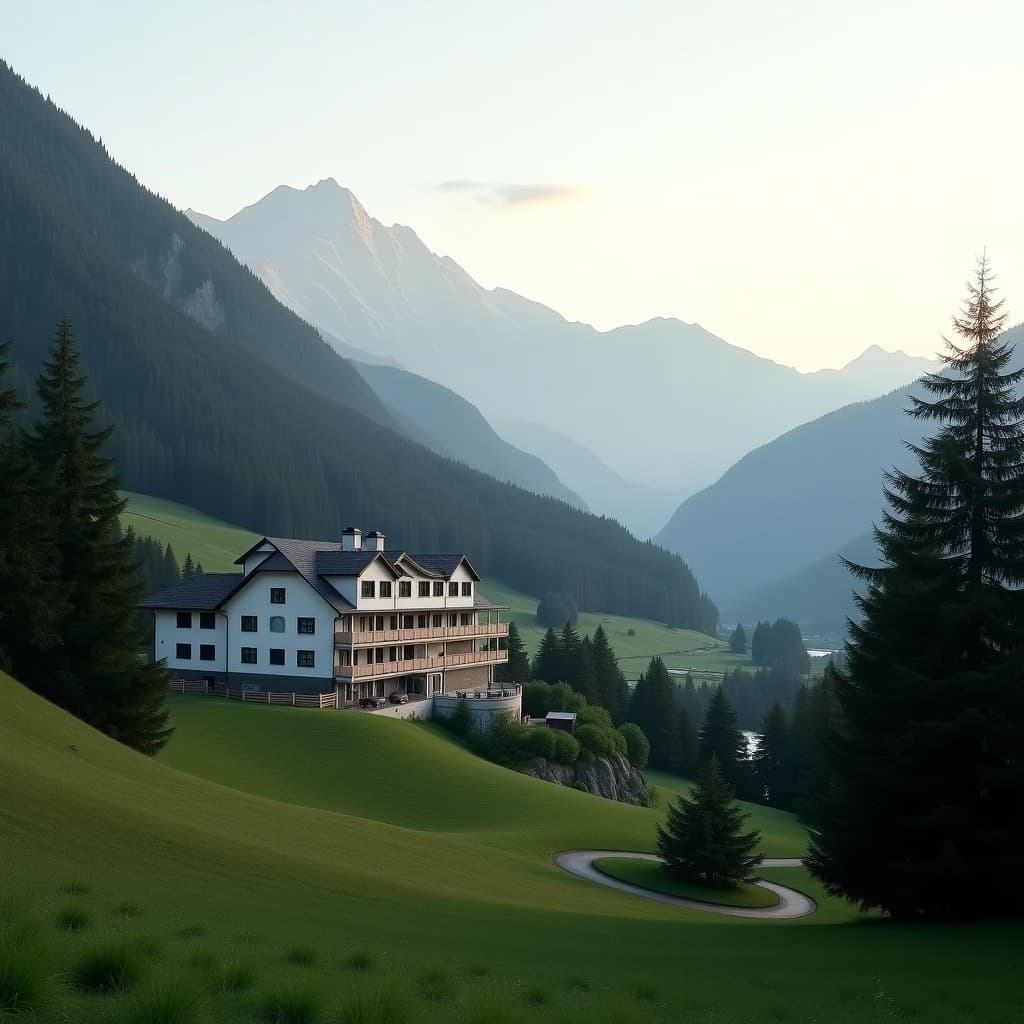
The Lindenhof Resort in South Tyrol has changed hands in a transaction reported by HVS Europe's hotel transactions bulletin, part of a broader wave of Alpine hospitality consolidation across Europe. The sale signals institutional investor appetite for premium mountain properties, even as regional tourism markets face mixed conditions following pandemic disruption and shifting travel patterns.
The transaction details remain limited in the HVS report, which does not specify the buyer, seller, or purchase price. However, the inclusion of the Lindenhof in a weekly bulletin tracking major European hotel sales alongside properties in London, Tenerife, and France underscores the property's significance in the Alpine hospitality market. South Tyrol's four-star and five-star resort sector has become increasingly attractive to pan-European hotel operators and investment funds seeking stable, year-round revenue from both summer hiking tourism and winter skiing.
The sale occurs against a backdrop of shifting dynamics in Trentino-Alto Adige's tourism economy. The region's hotel sector, particularly at the upper end, has faced pressure from changing visitor preferences, labour shortages, and rising operational costs. At the same time, institutional investors—pension funds, real estate investment trusts, and hotel management companies—are consolidating ownership of premium Alpine properties, a trend that mirrors broader European hospitality consolidation.
South Tyrol's hospitality market occupies a distinct position within the broader Alpine tourism economy. The region draws roughly 30 million overnight stays annually, split between summer mountain tourism (hiking, climbing, cycling) and winter sports (skiing, snowboarding). The Lindenhof, positioned as a four-star property, targets the upper-middle segment of this market—affluent European families and couples seeking comfort and amenities in a mountain setting, rather than the ultra-luxury segment served by five-star properties or the budget segment served by guesthouses and smaller hotels.
The timing of the sale reflects investor confidence in Alpine tourism's recovery trajectory. According to HVS Europe's broader market analysis, European hotel transactions have rebounded sharply since 2024, with institutional investors particularly active in acquiring properties in established tourism destinations with diversified seasonal demand. Alpine regions benefit from this dynamic: they generate revenue across multiple seasons (summer hiking, winter skiing, autumn foliage tourism, spring climbing) and attract repeat visitors with high brand loyalty.
However, the South Tyrol hospitality sector faces distinct pressures that may have influenced the Lindenhof's sale. Labour availability has become acute in the region, with hospitality workers increasingly migrating to Austria and Switzerland, where wages are higher and working conditions often perceived as superior. This wage-cost pressure has compressed margins for mid-range properties, making it attractive for independent or family-owned operators to exit and sell to larger, more capital-efficient management companies.
The buyer profile matters significantly. HVS Europe's bulletin does not identify the acquirer, but the transaction's inclusion in a pan-European tracking report suggests the buyer is likely a substantial operator or investment fund with portfolio reach across multiple European markets. Such buyers typically implement standardised management protocols, technology upgrades, and revenue-management systems that can improve operational efficiency but may also alter the property's character and local employment practices.
South Tyrol's special autonomy status creates a unique regulatory environment for hospitality investment. The region has its own tourism authority, labour regulations, and environmental protection standards that differ from mainland Italy. This autonomy can either attract investors seeking a stable, well-governed jurisdiction or deter those seeking to apply standardised European management models. The Lindenhof sale may signal that the property's previous ownership found navigating this regulatory landscape burdensome.
The broader consolidation trend in Alpine hospitality reflects structural changes in European tourism. Large hotel management companies and investment funds can achieve economies of scale in technology, marketing, and labour management that smaller operators cannot match. They can also absorb seasonal volatility and invest in renovations and upgrades that independent owners struggle to finance. This consolidation, visible across the Alps from Switzerland to Austria to Italy, tends to homogenise the guest experience while reducing local ownership and decision-making.
For Trentino-Alto Adige's tourism economy, the Lindenhof sale is one data point in a larger story. The region's tourism authority has reported steady growth in overnight stays and visitor spending since 2023, but this growth masks significant variation by property type and location. Properties in prime locations (Cortina d'Ampezzo, Merano, the Val Gardena) have recovered strongly, while properties in secondary locations face tougher conditions. The Lindenhof's location and market positioning will determine whether the sale represents a strategic exit by a struggling operator or a routine portfolio adjustment by a confident investor.
Labour dynamics are particularly acute in South Tyrol, where the German-speaking population's cultural ties to Austria and Switzerland create persistent wage-competition pressures. Hospitality workers can earn 15 to 25 per cent more in Austrian Tyrol for equivalent roles, creating a steady outflow of skilled staff. Institutional investors typically respond to this by implementing technology solutions (automated check-in, digital concierge services) and by recruiting from further afield, often employing seasonal workers from Eastern Europe. This shifts the character of hospitality employment in the region.
The environmental context also shapes the Lindenhof's market position. South Tyrol's tourism marketing emphasises ecological stewardship and sustainable mountain tourism, positioning the region as an alternative to over-developed Alpine destinations like parts of Switzerland or French Chamonix. Institutional buyers are increasingly sensitive to environmental certification and sustainability credentials, which can justify premium pricing and attract eco-conscious guests. The Lindenhof's new ownership may invest in energy efficiency, waste reduction, and other sustainability measures to strengthen its market positioning.
Precedent from similar transactions across the Alps suggests that the Lindenhof's sale may precede a period of capital investment and operational restructuring. New institutional owners typically conduct a 12 to 18-month assessment phase, during which they evaluate staffing, technology systems, pricing strategy, and guest experience. This often results in staff changes, technology upgrades, and repositioning within the market. For the local community and workforce, this can mean both opportunity (new jobs, modernised facilities) and disruption (changed working conditions, reduced local autonomy).
The transaction also reflects investor appetite for Alpine real estate more broadly. Property values in premium Alpine locations have appreciated significantly since 2020, driven by remote-work trends, urban-exodus demand, and strong European demand for mountain properties. This appreciation makes it attractive for existing owners to sell and realise gains, while also attracting institutional investors seeking long-term, inflation-hedged assets. The Lindenhof sale fits this pattern.
Looking forward, the sale raises questions about the future character of South Tyrol's hospitality sector. If consolidation continues—with independent and family-owned properties progressively acquired by larger operators—the region risks losing the distinctive, locally-rooted hospitality culture that has long differentiated it from more commercialised Alpine destinations. Conversely, institutional investment can fund improvements and modernisation that independent operators cannot afford. The balance between these dynamics will shape the region's tourism trajectory over the next decade.