
SPORT
Malagò takes helm of Italian soccer federation after Olympic success
Milan Cortina organiser elected with strong mandate to stabilise crisis-laden FIGC
Tobia Marenghi412 wordsEdition №29Sunday, 28 June 2026 — Edition № 29
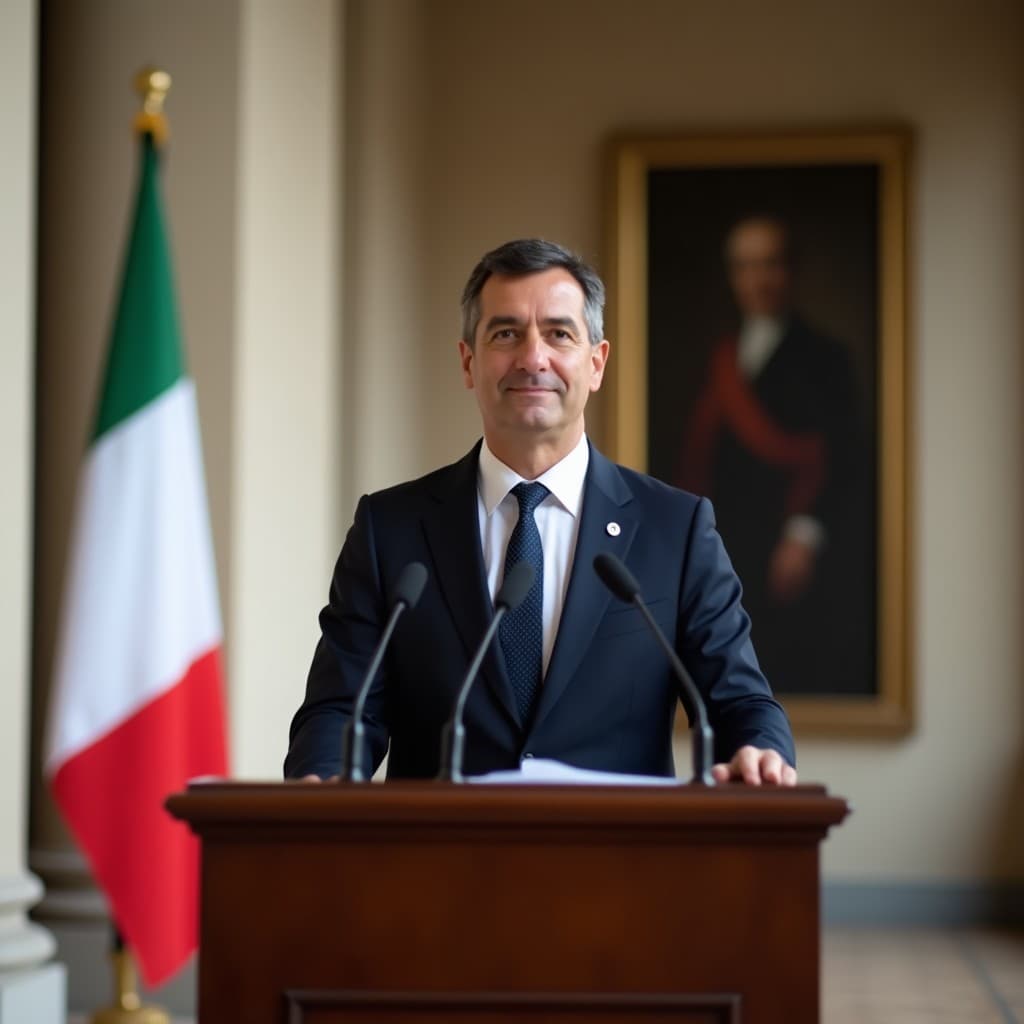
Giovanni Malagò won the Italian soccer federation presidency on Monday with 68.58% of the vote, according to the Houston Chronicle and ESPN. The Milan Cortina 2026 Olympics organising committee chairman defeated former federation president Giancarlo Abete, who secured 29.17% support, in a contest that reflected the federation's institutional turmoil.
Malagò's election signals an attempt to stabilise Italian soccer's governance after years of instability. His background in managing the Milan Cortina Winter Games—a complex undertaking involving multiple regions, federal coordination, and international stakeholders—positions him to address the structural issues that have plagued the federation. The ESPN report noted that the federation faces a period of crisis requiring experienced leadership.
The timing coincides with broader changes in Italian sport's institutional landscape. Aurelio De Laurentiis, the Napoli owner, has been visible at the 2026 World Cup in North America, where he praised the tournament's organisation while signalling the continued competitive ambitions of Italian clubs in the global market. Malagò's appointment reflects a similar emphasis on professionalising Italian football's administration.
Malagò inherits a federation whose credibility has been damaged by recurring governance failures. His mandate from the electoral vote—nearly seven in ten federation members—provides political capital to implement reform. The scale of his victory over Abete, a previous federation president, suggests a desire among Italian soccer's stakeholders for a clean break from the patterns that created the crisis.
The appointment carries implications for Serie A's competitive standing. Malagò's experience managing the Milan Cortina Games—coordinating between government, regional authorities, international bodies, and commercial partners—suggests an administrative approach focused on systemic competence rather than political manoeuvre. This contrasts with the federation's recent history, where leadership changes have often reflected factional disputes within Italian soccer rather than strategic vision.
For the sport bureau's coverage, Malagò's election marks a turning point in how Italian soccer is governed and presented internationally. Foreign coverage of Italian football has often emphasised the gap between the quality of play and the instability of administration. A federation led by someone with proven large-scale organisational credentials may begin to reshape that narrative, particularly as Italy prepares to host major sporting events and as Serie A competes for global broadcasting and sponsorship revenue.