
CULTURA
Spanish Fashion Chain Mango Expands Through Italian Department Stores
Partnership with Coin will open 22 shop-in-shop locations as retailer deepens Italian presence
Eleonora Vanzetti356 wordsEdition №13Friday, 12 June 2026 — Edition № 13
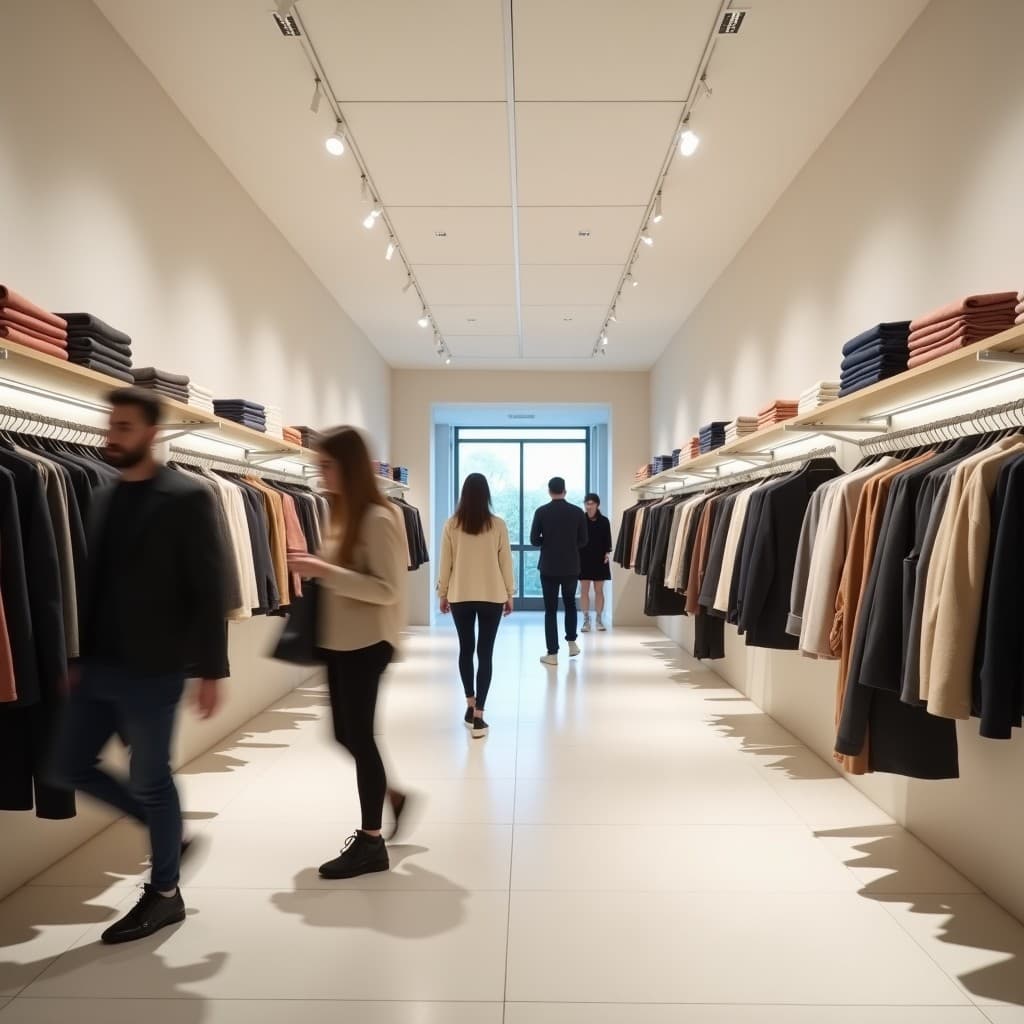
Retail Gazette reported this week that Mango, the Spanish fashion retailer, is stepping up its Italian operations through a partnership with Coin, the Italian department store chain. The deal will see Mango open 22 shop-in-shop locations within Coin stores across the country, a strategy that allows the Spanish brand to expand its visibility without the capital intensity of opening standalone stores. The shop-in-shops will vary in size and format depending on location, according to the report.
The move reflects a broader trend in European fashion retail: established brands seeking to deepen market presence in countries where they already operate by partnering with department store groups rather than relying solely on direct-to-consumer channels. Coin, which operates across Italy's major cities and regions, offers Mango access to established foot traffic and customer bases in prime retail locations. For Mango, the partnership represents a calculated bet that the Italian market—with its reputation for fashion consciousness and purchasing power concentrated in the north—remains worth significant investment.
Italy's fashion retail landscape has undergone significant consolidation and strategic repositioning over the past decade. Department stores like Coin have adapted to changing consumer behaviour by hosting concessions from international brands, a model that distributes commercial risk and keeps store interiors refreshed with new offerings. Mango's entry into this network at scale suggests confidence in Italian consumer demand for mid-market Spanish fashion—a category that sits between fast fashion and luxury.
The expansion also reflects the competitive dynamics of the European fashion market, where Spanish retailers (Inditex, Mango, Desigual) have proven particularly effective at scaling across borders. For Italy's fashion culture desk, the story signals not a shift in Italian fashion leadership—which remains centred on Italian and European luxury houses—but rather the normalization of international retail presence in Italian cities. The visibility of foreign brands in Italian department stores has become routine; what changes is the depth of that presence and the strategic commitment it represents.