
MARCHE
Warp knitting reshapes Marche's shoe districts as performance tech accelerates
New textile innovation drives footwear makers toward faster prototyping and sustainability as global brands adopt advanced knit methods.
Elena Marcheggiani528 wordsEdition №32Wednesday, 1 July 2026 — Edition № 32
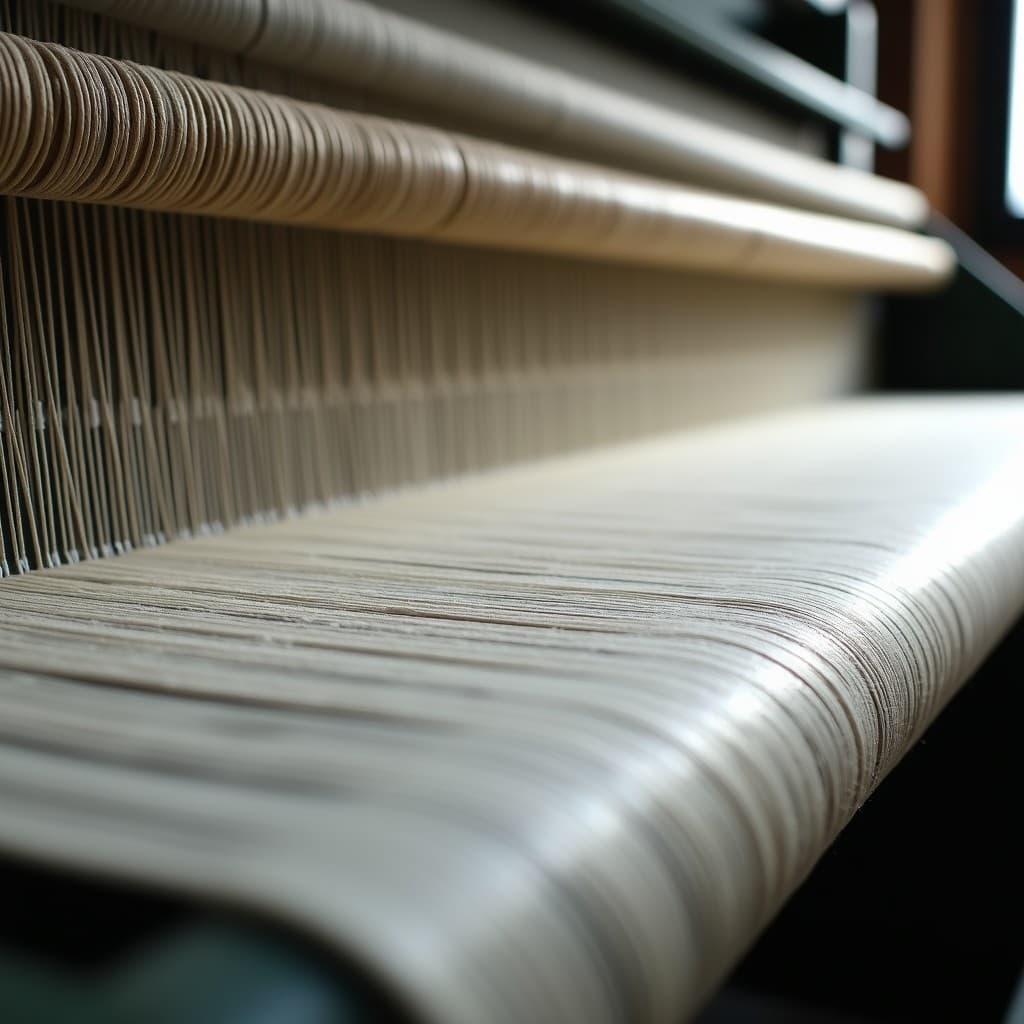
New textile innovation is reshaping footwear manufacturing across Europe, with warp knitting technology now central to next-generation athletic shoe design. According to Knitting Industry, the technology was highlighted at the opening of the Karl Mayer Textile Innovation Center in Obertshausen, where New Balance demonstrated how warp knitting drives faster product cycles and sustainability improvements in shoe construction.
For Marche's shoe districts—among Europe's largest concentrations of footwear makers—the shift carries both opportunity and urgency. The region's manufacturers have long competed on craft and precision; warp knitting offers a path to accelerate prototyping without sacrificing the hand-finishing that defines Marche's output. The technology integrates performance fibres directly into upper construction, reducing assembly steps and waste while enabling rapid iteration between design and production.
Global athletic brands are adopting the method to shorten development cycles and meet sustainability targets, Knitting Industry reported. For smaller Marche firms—many family-owned and operating in tight manufacturing clusters around Montegranaro and San Benedetto del Tronto—the choice is whether to invest in new looms or risk losing contracts to larger competitors already equipped with the technology. The regional leather and synthetic-material supply chains that feed shoe production will likely face pressure to integrate knit-ready textiles into their offerings.
The adoption of warp knitting in footwear reflects a wider shift in European manufacturing toward digitally integrated production. Knitting Industry noted that the technology allows designers to programme pattern and structure directly into the yarn, reducing the need for stitching and gluing—traditional strengths of Marche's artisanal workshops but also labour-intensive steps that global competitors are automating.
Marche's shoe sector exported €2.5 billion in footwear in 2024, according to foreign trade analyses, making it one of Italy's most export-dependent industrial districts. The region's resilience has historically rested on rapid response to trend shifts and willingness to adopt new materials. Warp knitting represents the next frontier: manufacturers who integrate the technology early may secure contracts with international athletic and lifestyle brands seeking sustainable, quick-turnaround production. Those who delay risk displacement by larger Eastern European and Asian competitors already investing in the tooling.
The timing coincides with broader pressure on European manufacturing to reduce carbon footprint and labour costs simultaneously. Warp knitting addresses both: it uses less material waste than traditional cutting and stitching, and it reduces assembly time. For Marche firms already squeezed between wage pressure and global commodity competition, the technology offers a way to compete on speed and sustainability rather than labour cost alone—but only if the capital investment is manageable for smaller operations.