
MARCHE
Adriatic heat tests Marche's summer tourism machine
As record temperatures grip Europe, coastal resorts brace for strain on water and power systems during peak season.
Elena Marcheggiani623 wordsEdition №30Monday, 29 June 2026 — Edition № 30
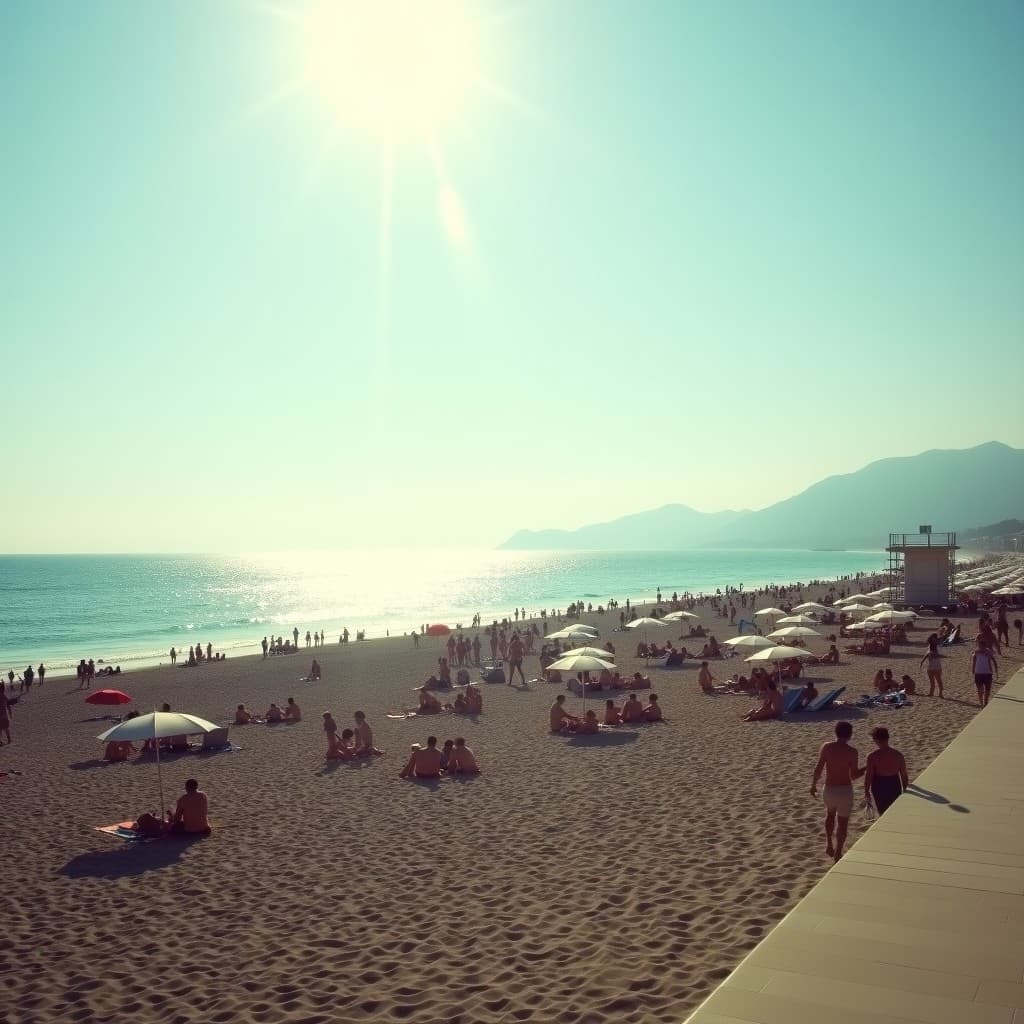
A severe heatwave gripping Europe has pushed temperatures to record levels across Germany and Italy, according to the Guardian's reporting on Saturday. The weather system spreading eastward from Denmark—which recorded its highest temperature on record—is now bearing down on the Italian coast, where Marche's beach resorts are entering their busiest weeks of the year. The timing compounds an already acute strain: peak summer tourism arrives precisely when water supplies are most stressed and power grids face their heaviest load.
Marche's Adriatic coast depends on seasonal tourism for a substantial portion of its economy, drawing visitors to towns like Senigallia and Pesaro. The region's water infrastructure, already stressed by the drought that has gripped central Italy in recent weeks, now faces simultaneous demand from both resident populations and the influx of holidaymakers. Local authorities have begun rationing water supplies in some municipalities, a measure that can disrupt hotel operations, public beaches and the hospitality sector that employs thousands across the province.
The heatwave also threatens the fragile balance of the Adriatic ecosystem itself. Warming waters stress fish stocks that local fishing communities depend on, while higher temperatures accelerate algal blooms and reduce oxygen levels in the shallows where recreational swimmers gather. The Guardian's broader reporting on the European heat crisis notes that infrastructure across the continent is buckling under the strain; Rome's Bioparco zoo has resorted to frozen treats and chilled pools to keep animals alive. For a coastal region whose summer economy hinges on the appeal of cool water and open-air leisure, the record heat poses both an immediate operational crisis and a longer-term question about the viability of peak-season tourism under climate stress.
The scale of the heatwave is unprecedented in the region's recent history. The Guardian reported that Denmark experienced its highest temperature on record on Saturday, with the weather system now spreading southeast toward the Mediterranean. Italy, already contending with drought conditions that have reduced river flows and stressed agricultural production, now faces the additional burden of extreme heat across its northern and central regions, including Marche.
For the Marche bureau, the convergence of peak tourism season and record heat carries specific economic consequences. The region's small and medium-sized hotels, many family-run, operate on thin margins and depend on predictable water and electricity costs. A prolonged heatwave forces them to increase air-conditioning and water consumption simultaneously—cooling guest rooms, filling pools, supplying showers—while energy prices spike due to nationwide demand. Public beaches, which draw free-spending day-trippers from across central Italy and beyond, face potential closures if water quality deteriorates or if local authorities impose restrictions to conserve supplies.
Fishing, another pillar of Marche's coastal economy, faces indirect pressure. Warming Adriatic waters alter fish migration patterns and reduce catches of species like anchovies and sardines that have sustained the region's small-boat fleet for generations. The Guardian's reporting on the broader European crisis does not isolate the Adriatic specifically, but the principle applies: heat stress on marine ecosystems compounds the economic strain on communities dependent on the sea.
Local authorities have not yet announced emergency measures specific to tourism, according to available reporting, but the precedent from other European regions suggests such steps may follow. The challenge for Marche is distinctive: the region cannot easily defer its peak season or relocate its beaches. Its economy must absorb the shock of record heat during the weeks when it generates the most revenue and employs the most workers.