
ECONOMY
Warp knitting reshapes Marche's footwear future
District adopts performance technology as New Balance and Karl Mayer accelerate athletic shoe innovation
Elena Marcheggiani346 wordsEdition №28Saturday, 27 June 2026 — Edition № 28
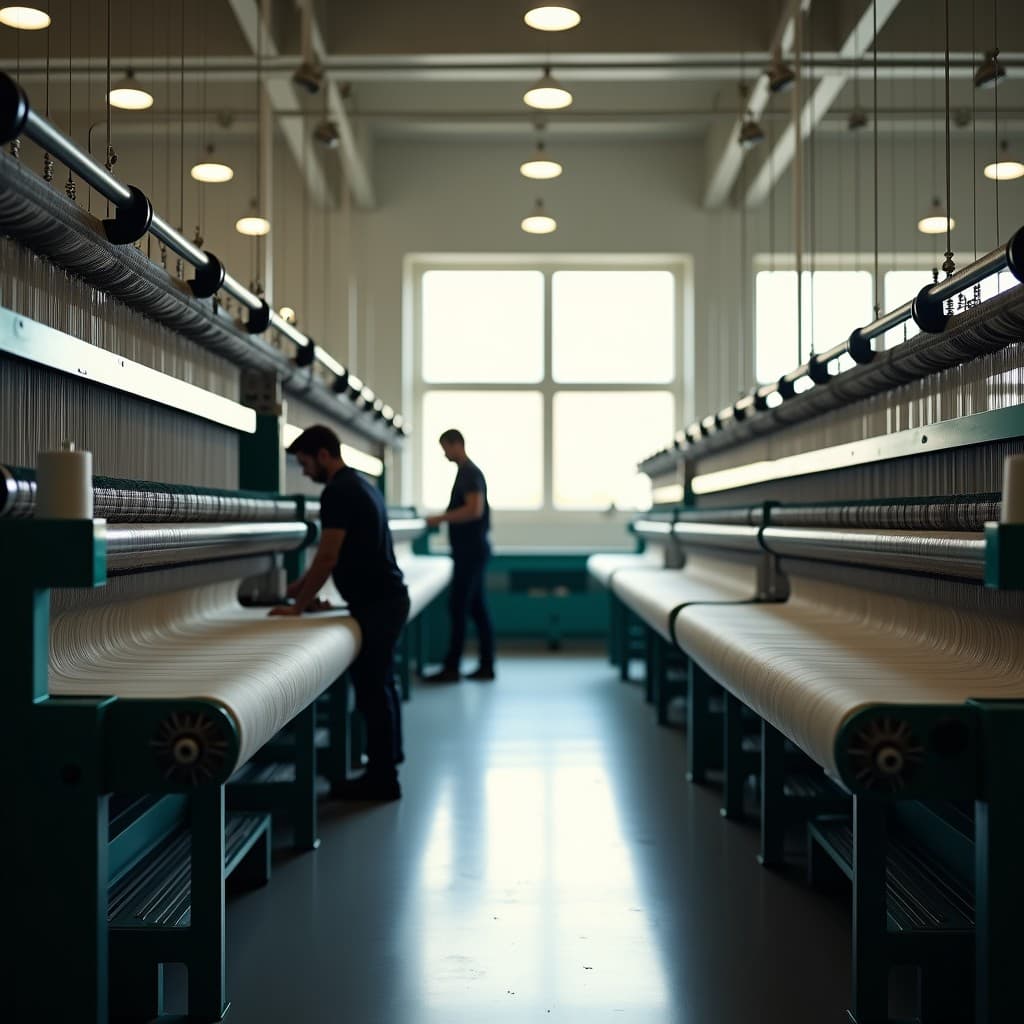
Warp knitting is emerging as a decisive technology in next-generation athletic footwear, according to Knitting Industry's account of the opening of the Karl Mayer Textile Innovation Center in Obertshausen this week. The technique allows manufacturers to integrate performance, sustainability and faster product cycles—three pressures that have reshaped global footwear competition over the past five years.
For Marche's shoe-making districts, the shift signals both opportunity and urgency. The region's leather and mechanical firms have long competed on craft and customization; warp knitting demands different tooling, different supply chains, and different technical expertise. The technology's role in athletic footwear—where New Balance and other global brands are now concentrating investment—places performance innovation at the centre of the market where Marche manufacturers have historically held ground.
The Karl Mayer centre announcement reflects a broader acceleration in footwear technology. Knitting Industry reported that warp knitting is playing an "increasingly important role" in athletic shoe development, driven by the need to reduce production time and improve material efficiency. For a region like Marche, where small and mid-sized firms dominate the shoe sector, the adoption of such technologies typically requires either capital investment, partnership with machinery providers, or both.
Marche's shoe cluster—concentrated in the province of Fermo and around Montegranaro—has survived previous waves of global competition by specializing in leather goods and women's footwear where design and finish command premium prices. Warp knitting threatens that model by making commodity athletic shoes faster to produce and easier to customize at scale. Yet it also offers a path: firms that master the technology early can compete in performance categories where Italian craftsmanship can still command attention.
The timing matters. European footwear has faced sustained pressure from Asian competitors with lower labour costs; automation and advanced knitting technologies are among the few levers that allow European manufacturers to remain cost-competitive while maintaining quality. Whether Marche's smaller producers can access or afford the transition remains an open question—one that will likely shape the district's employment and export figures over the next three to five years.