
PUGLIA
Mediterranean food reveals what rigid borders obscure, says Guardian essay
Tracing a chickpea snack across Africa and Europe shows migration and cultural exchange are the region's historical norm, not exception
Francesca Lazzari380 wordsEdition №28Saturday, 27 June 2026 — Edition № 28
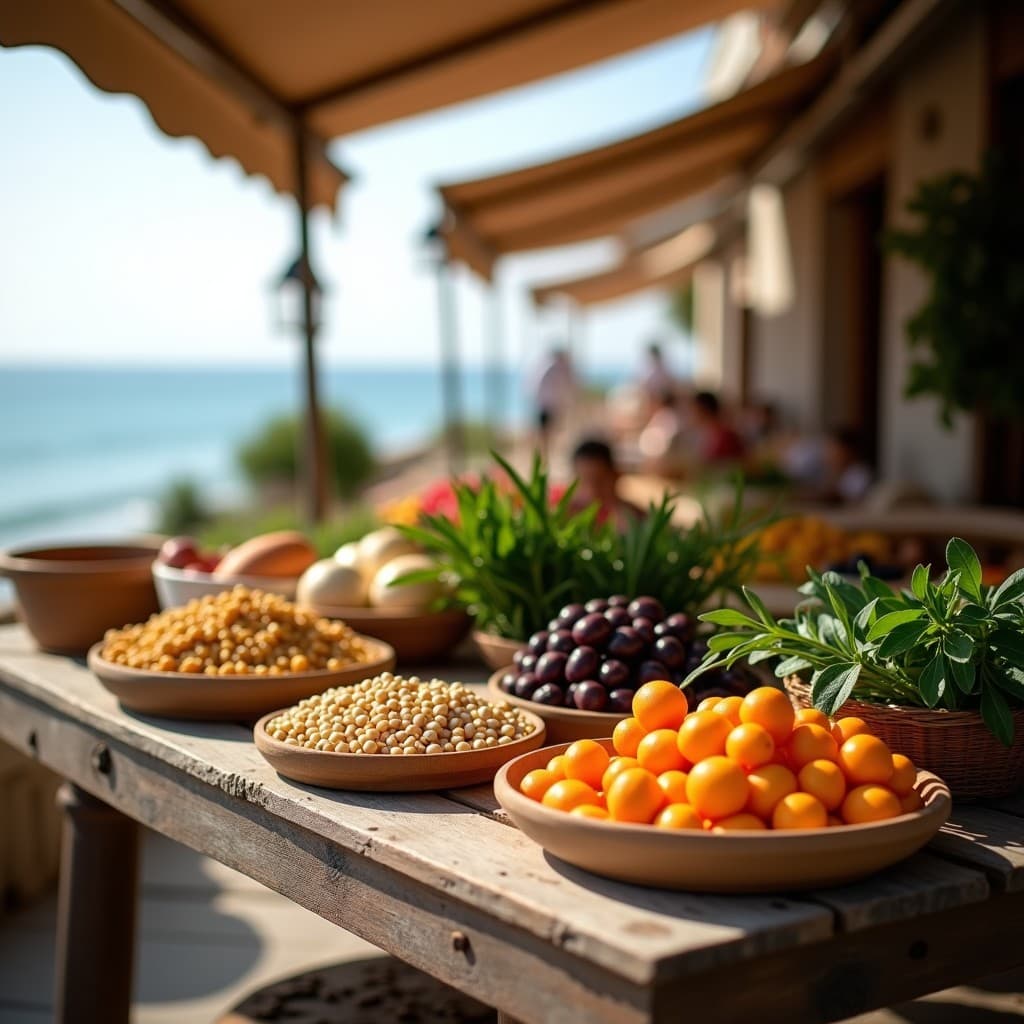
Federico De Blasi, writing in The Guardian on Friday, argues that tracing a single snack around the Mediterranean—a chickpea-based dish found across coastal European and African nations—reveals how absurd modern borders are when set against the region's actual history of movement and cultural exchange. Migration and shared food traditions, De Blasi contends, have always been the norm between Mediterranean peoples, not aberrations from some imagined ethnic purity. The piece challenges the way Western media and policymakers frame Mediterranean migration as a contemporary crisis rather than a centuries-old pattern.
Puglia sits at the heart of this Mediterranean narrative. The region's cuisine—its use of chickpeas, olive oil, spices, and techniques—bears the imprint of Greek colonists, Norman invaders, Arab traders, and Ottoman influence. Dishes like fave e cicoria (fava beans and chicory) or panelle (fried chickpea flour fritters) are not uniquely Italian but shared across the Adriatic and Mediterranean. Puglia's ports have always been gateways for people and ingredients flowing between continents. The region's food, in other words, is a living archive of the cultural and human exchange De Blasi describes in The Guardian.
The essay's argument carries particular weight as Puglia faces the Mediterranean's modern migration pressures. The Adriatic coast remains a frontier for search-and-rescue operations and contested border politics. De Blasi's piece suggests that framing migration as a contemporary problem, rather than recognising it as a historical constant, distorts how Europe responds to it. If Mediterranean food itself is a product of movement and exchange, then the people crossing those waters today are continuing a pattern, not violating one. The Guardian's platform gives this argument visibility at a moment when European policymakers are debating border controls and asylum policy.
De Blasi's framing invites Puglia's tourism and food sectors to reconsider their own narrative. The region markets itself globally as an authentic Mediterranean destination, selling olive oil, wine, and traditional recipes to international consumers. Yet that authenticity is itself a product of migration and cultural layering. Recognising this—and naming it explicitly in how Puglia presents itself—could reframe the region's relationship to contemporary Mediterranean movement. Instead of treating migration as a threat to Puglia's identity, it could be understood as consistent with the region's actual history.
The piece does not address Puglia specifically, nor does it offer policy recommendations. De Blasi's contribution is argumentative: he invites readers to see modern borders—and the rigid categories they enforce—as recent impositions on a region defined by fluidity. The Guardian's commentary section reaches an international audience; this particular essay may influence how foreign readers understand both Mediterranean food culture and the politics of migration that frame it. For Puglia's media and cultural institutions, the piece offers a counternarrative to the securitised framing of the Adriatic that dominates much European coverage.