
FRIULI-VENEZIA GIULIA
Ten dead as migrant boat capsizes off Malta; Trieste braces for surge
Italian rescuers recover bodies as Mediterranean crossing toll mounts; northeastern port faces pressure as gateway for arrivals
Sergio Madrussan1,247 wordsEdition №8Monday, 8 June 2026 — Edition № 8
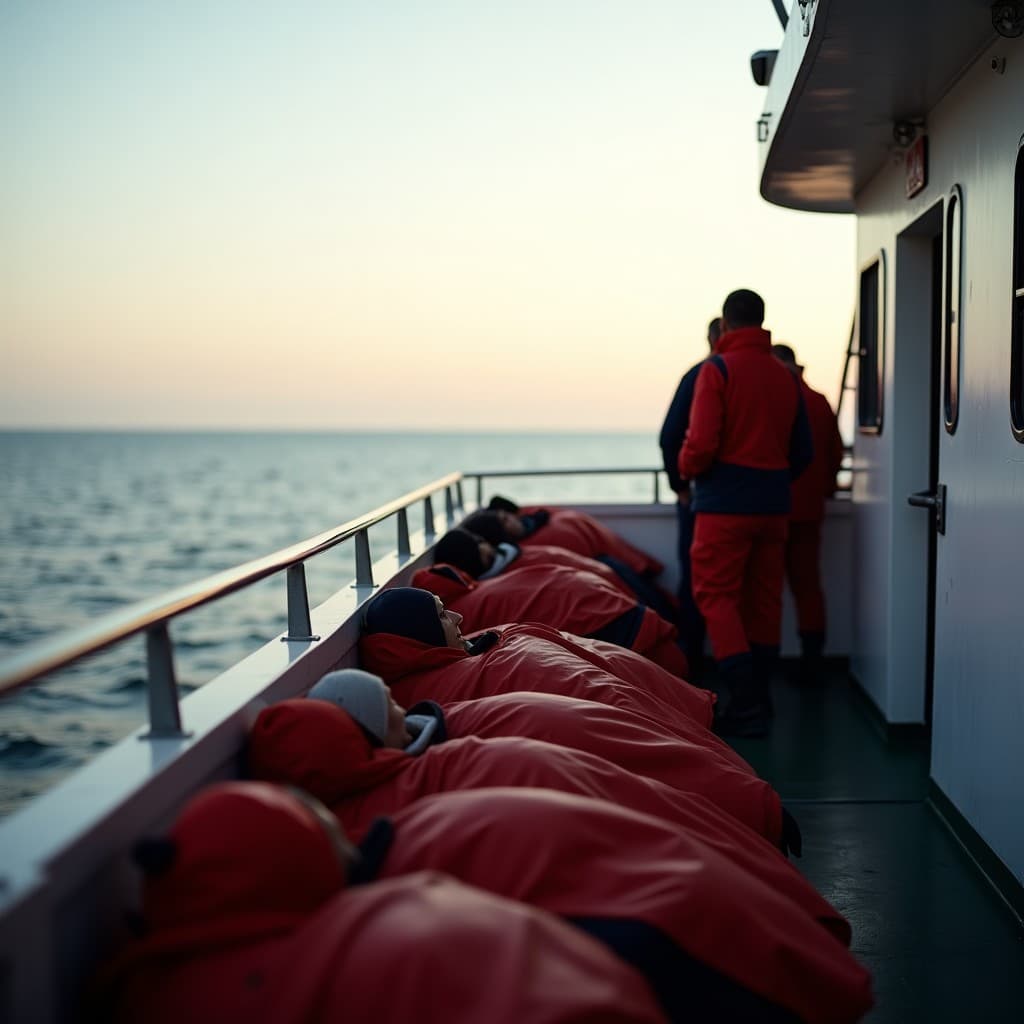
Italian rescuers have recovered ten bodies after a migrant boat capsized in waters off Malta on Sunday, the coastguard said. The vessel, which had departed from Libya carrying approximately 60 people, overturned in the central Mediterranean. About 48 people were rescued alive, according to the Guardian's account of the incident.
The drowning marks the latest in a mounting toll across the Mediterranean crossing. Al Jazeera reported that at least 990 refugees and migrants have died this year while attempting the perilous journey across the sea—a figure that underscores the scale of loss as people flee conflict, poverty and climate stress in Africa and the Middle East.
For Trieste and the Friuli-Venezia Giulia region, the disaster carries particular weight. The northeastern port sits at the terminus of multiple migration routes from the Balkans and Central Europe, and has long served as a processing point for arrivals who reach Italian waters via the Mediterranean or overland crossings from Slovenia.
The capsizing off Malta reflects broader patterns in Mediterranean migration that have drawn sustained international attention. The Guardian and Al Jazeera both documented the incident as part of a wider crisis: the sea crossing remains one of the world's deadliest migration routes, with deaths concentrated in the central Mediterranean corridor between Libya and southern Europe.
Italy's coastguard and naval assets have become the primary rescue mechanism for vessels in distress across this stretch of water. The country's geographic position—with Sicily and Malta lying directly in the path of departures from North Africa—means Italian vessels and personnel respond to the majority of emergencies. Yet the rescues themselves have become politically fraught across Europe, with some governments viewing search-and-rescue operations as inadvertently encouraging further crossing attempts.
Trieste's role in this system is less visible than that of southern ports like Palermo or Messina, but no less consequential. The port receives migrants who have traveled overland through the Balkans and Slovenia, often after weeks in transit camps or informal settlements. Unlike the Mediterranean arrivals, who typically land in the south and are processed there, Trieste-bound migrants often arrive exhausted and traumatized after crossing multiple borders on foot or in overcrowded vehicles.
The regional government in Friuli-Venezia Giulia has repeatedly raised concerns about the strain on local reception facilities. According to reporting from Central European and Balkan outlets that cover the eastern migration corridor, the region absorbs a disproportionate share of arrivals relative to its population, a consequence of its position as the EU's northeastern gateway. The Sunday drowning, though occurring far from Trieste's jurisdiction, will likely intensify those pressures as international media attention to Mediterranean deaths typically prompts policy discussions about burden-sharing among EU member states.
The scale of loss documented by Al Jazeera—990 deaths in the first half of 2026—suggests that the crossing has not become safer despite years of EU border enforcement and international agreements aimed at stemming departures. If anything, the data indicates that desperation continues to outweigh risk calculation among those fleeing instability. The Guardian's reporting noted that the vessel departed from Libya, a country where state authority has fractured and where smuggling networks operate with minimal oversight.
For Italy's government, the incident arrives amid broader European debates about migration policy. The New York Times and other outlets have documented Italy's defense minister, Guido Crosetto, calling for a new European military alliance and greater burden-sharing on security matters—a framing that often encompasses migration control as a shared European responsibility rather than an Italian one. Yet Italy continues to bear the operational and humanitarian burden of Mediterranean rescues, a role that has defined its relationship with migration for two decades.
Trieste's scientific and research institutions have begun studying the health and psychological impacts of migration on arrivals, according to international medical journals. The port city hosts several EU-funded research centers focused on border health and trauma, which have documented patterns of injury, malnutrition and mental health crises among those who reach the city after overland journeys. The Sunday drowning, though it occurred at sea, underscores the continuum of risk that begins in Libya and extends through the Balkans to Italy's northeastern frontier.
The incident also raises questions about coordination between Italian and Maltese authorities. Malta, despite its small size and limited naval capacity, sits directly in the central Mediterranean crossing zone and has itself faced criticism from international human rights organizations over its handling of migrant arrivals. The Guardian and other outlets have reported tensions between Malta and Italy over responsibility for rescue operations and the distribution of rescued persons among EU member states.
The political context in Italy adds another layer. The Local Italy reported in recent days that Italy's far-right National Future party has doubled its parliamentary representation, a shift that reflects broader rightward movement on migration and border security across the continent. Such political movements typically gain momentum when high-profile maritime disasters occur, as they frame migration control as a matter of national sovereignty and security.
For Trieste specifically, the drowning may accelerate discussions about the port's role in a broader European migration management system. The city's position as a crossroads between Italy, Slovenia, Croatia and Central Europe means it functions as both a gateway and a pressure point. International coverage of Mediterranean deaths often omits the overland routes that feed into Trieste, yet the two systems are interconnected: people who fail to reach Italy by sea sometimes attempt the Balkan route instead.
The rescue operation itself, though successful in saving 48 lives, illustrates the reactive nature of current migration policy. Italian and international resources are deployed after people have already embarked on dangerous journeys, rather than addressing the conditions that compel departure. The Guardian's reporting emphasized the humanitarian dimension—the rescues themselves—while international outlets like Al Jazeera have contextualized individual incidents within the broader pattern of deaths and the structural factors driving migration.
Looking forward, the incident will likely feature in upcoming EU discussions about migration burden-sharing and maritime rescue protocols. Italy has long argued that it should not bear disproportionate responsibility for Mediterranean arrivals, a position that has gained some traction in Brussels but has not yet translated into significant policy change. Trieste and the Friuli-Venezia Giulia region will continue to absorb arrivals from both maritime and overland routes, managing the humanitarian and administrative consequences with limited additional resources from the central government or the EU.