
MARCHE
Mediterranean Crossing Toll Mounts as Italy Rescues Survivors
Ten bodies recovered after migrant boat capsizes off Malta; Adriatic route faces new scrutiny
Elena Marcheggiani1,247 wordsEdition №8Monday, 8 June 2026 — Edition № 8
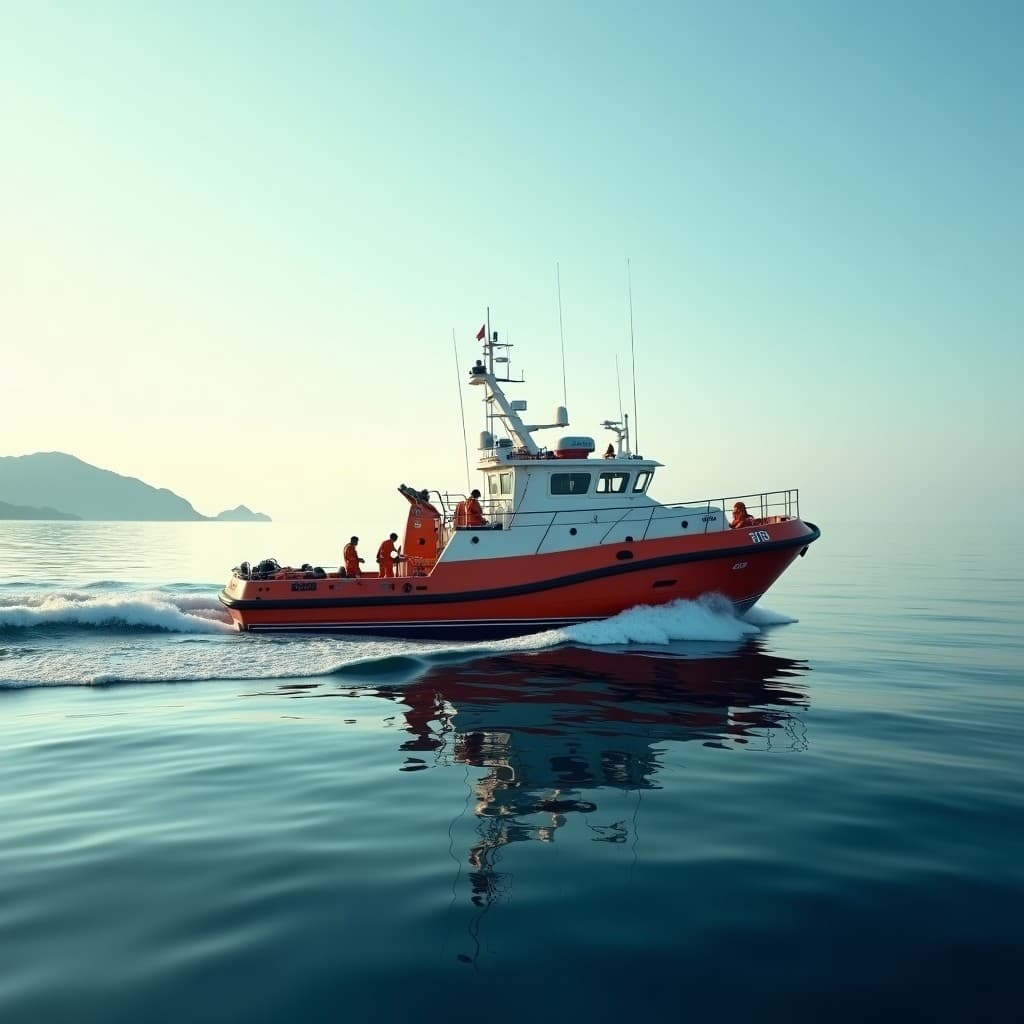
Italian coastguards recovered ten bodies on Sunday after a migrant boat capsized in waters off Malta, according to the Guardian. The vessel, which had departed from Libya carrying approximately 60 people, overturned during the crossing. About 48 people were rescued alive, the coastguard statement said.
The incident marks another fatality in the central Mediterranean route, a corridor that has claimed thousands of lives over the past decade. The crossing from North Africa to southern Europe remains one of the world's most dangerous maritime passages, with seasonal weather patterns and overcrowded vessels creating acute risks.
For the Marche region, which sits on Italy's Adriatic coast and has become a secondary landing point for migrants arriving by sea, the incident underscores the broader pressures on Italian rescue operations and reception infrastructure. The Adriatic route, though less trafficked than the central Mediterranean, has seen increased activity in recent years as migrants seek alternative passages into Europe.
The Guardian reported that the boat departed from Libya with approximately 60 passengers aboard. The exact cause of the capsizing has not been disclosed, though overcrowding and rough sea conditions are recurring factors in such incidents. Rescue operations in the central Mediterranean are typically coordinated by Italian, Maltese and Libyan authorities, though coordination remains inconsistent.
The central Mediterranean crossing has been the deadliest maritime route for migrants globally. According to international monitoring, thousands have perished in these waters since 2014, when the European Union withdrew its large-scale rescue operation Mare Nostrum. The route remains active despite the risks, as it remains one of the shortest passages from Libya to Europe.
Italy has borne the largest share of rescue and reception burdens in the central Mediterranean. The Italian coast guard, navy and merchant marine conduct regular rescue operations, often at significant cost. In 2025 and into 2026, Italian rescue vessels recovered thousands of migrants from distressed vessels, though exact figures vary by source.
The Adriatic route, which feeds into ports along Italy's eastern coast including those in Marche, presents a different profile. Fewer migrants arrive via the Adriatic than via the central Mediterranean, but the route has grown more active as smuggling networks diversify their operations. Ancona and other Adriatic ports have expanded reception facilities in recent years to accommodate arrivals.
Marche's fishing communities have become inadvertent participants in rescue operations. Fishing vessels operating in Adriatic waters occasionally encounter migrant boats in distress and are obliged under maritime law to render assistance. Local fishermen have reported increasing encounters with overcrowded dinghies, particularly during spring and early summer months.
The incident off Malta comes amid broader European debates over migration policy. The European Union has tightened asylum rules in recent months, making it harder for migrants to claim protection once they reach European shores. Italy, as the EU's primary landing point for Mediterranean arrivals, has faced mounting pressure to prevent crossings or to intercept vessels before they reach Italian waters.
According to the Guardian's reporting, rescue operations in the central Mediterranean remain underfunded relative to the scale of need. Non-governmental organizations operating rescue vessels have faced legal and political obstacles, with some European governments accusing them of facilitating migration. Italian authorities, by contrast, maintain that rescue at sea is a legal and moral obligation.
The economic consequences for Italy's maritime regions are substantial. Rescue operations divert coast guard and naval resources from other duties, including fisheries enforcement and maritime security. Marche's fishing industry, already under pressure from EU quotas and climate stress, competes for government attention and funding with migration-related expenditures.
Reception infrastructure in Marche has been strained by arrivals in recent years. The region hosts several reception centers, though capacity remains limited. Local authorities have reported difficulties in integrating migrants into the labor market, particularly in rural areas where agricultural work remains a primary employment sector for newcomers.
The broader context includes the role of Libya as a departure point. Libya remains unstable, with limited state capacity to prevent smuggling operations. Migrants in Libyan territory, including those fleeing conflict in Afghanistan, Pakistan, Syria and sub-Saharan Africa, often have few alternatives to paying smugglers for passage to Europe.
International maritime law requires vessels to assist those in distress at sea, regardless of nationality or legal status. However, enforcement of these obligations remains inconsistent. Some European governments have sought to exempt their vessels from rescue duties or to transfer rescued migrants to third countries, a practice criticized by human rights organizations.
The incident also reflects seasonal patterns in Mediterranean crossings. Summer months typically see increased migration attempts as weather conditions improve. Italian authorities prepare for higher volumes during these periods, though resources remain constrained relative to demand.
For Marche's regional economy, migration presents both challenges and opportunities. Agricultural employers in the region rely on migrant labor, particularly for seasonal work in fruit and vegetable production. However, labor trafficking and exploitation remain persistent problems, as documented in recent years by international media coverage of incidents in southern Italy.
The Guardian's reporting does not specify the nationalities of those who perished or were rescued in Sunday's incident. However, international monitoring indicates that migrants attempting central Mediterranean crossings originate primarily from sub-Saharan Africa, the Middle East, and South Asia, reflecting conflict, economic hardship and climate stress in those regions.