
OPINION
Italy Is Not Only a Shore
Editorial Board376 wordsEdition №7Sunday, 7 June 2026 — Edition № 7
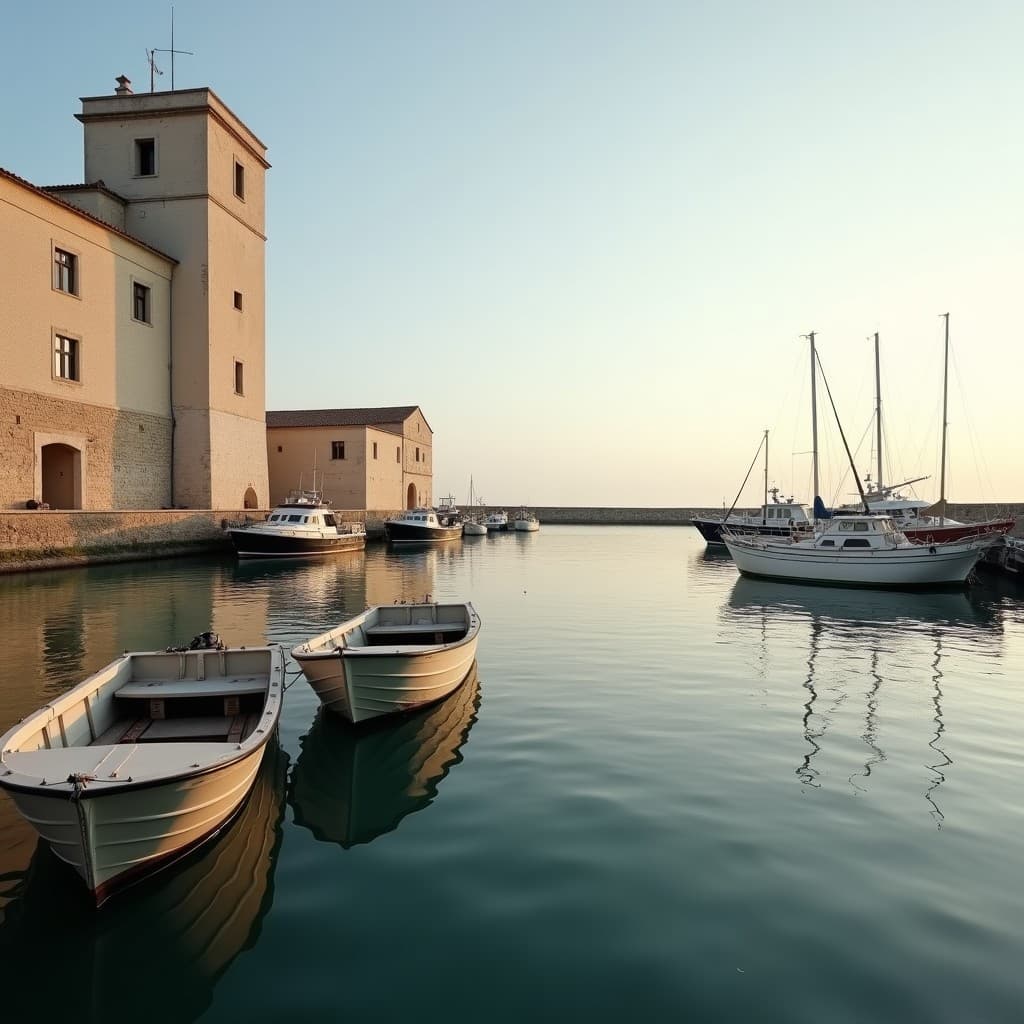
The Guardian, the BBC, and Al Jazeera have each, in recent months, published dispatches from Lampedusa, from the Sicilian coast, from the reception centres of Calabria. The coverage is serious, often humane, and consistently organised around a single geographic metaphor: Italy as the edge of Europe, the place where the Mediterranean crossing ends and the continent begins. We do not dispute the facts that underlie this framing. The crossings are real. The deaths at sea are real. The pressure on local communities is real.
What the frontier metaphor tends to obscure is that Italy is not simply a threshold. It is a country through which people move, in which many remain, and whose demographic condition — ageing, shrinking, losing its young to emigration — creates a structural need for working-age arrivals that the same international press rarely connects to its migration reporting. The two stories appear in different sections of the same newspapers. The population decline story runs in the culture or science pages; the arrivals story runs on the foreign desk. They are, in material terms, the same story.
Politico Europe has been more attentive than most to the political dimension: the negotiations within the EU over burden-sharing, the bilateral arrangements with North African governments, the legal challenges to offshore processing schemes. This is useful coverage. But even here the frame is European and institutional, and Italy appears as a pressure point in a continental argument rather than as a society with its own internal debate about what it is becoming. The south of Italy — already the subject of decades of foreign coverage emphasising poverty and depopulation — is further flattened into a symbol of European failure.
We raise this not to defend any particular policy, which is not our role. We raise it because a newspaper committed to reporting Italy as the world sees it must also be honest about the limits of that view. The world sees a coastline. Behind the coastline is a country of twenty regions, a constitutional order, a judiciary that has repeatedly tested the boundaries of executive action on migration, and communities that hold contradictory feelings about arrival and belonging in proportions that no single dispatch can capture. The shore is real. Italy is larger than its shore.