
SARDEGNA
Ten dead as migrant boat capsizes off Malta; Sardinia braces for more
Italian rescuers recover bodies as Mediterranean crossing claims lives; island sits at centre of Europe's deadliest sea route
Gavino Sanna1,247 wordsEdition №8Monday, 8 June 2026 — Edition № 8
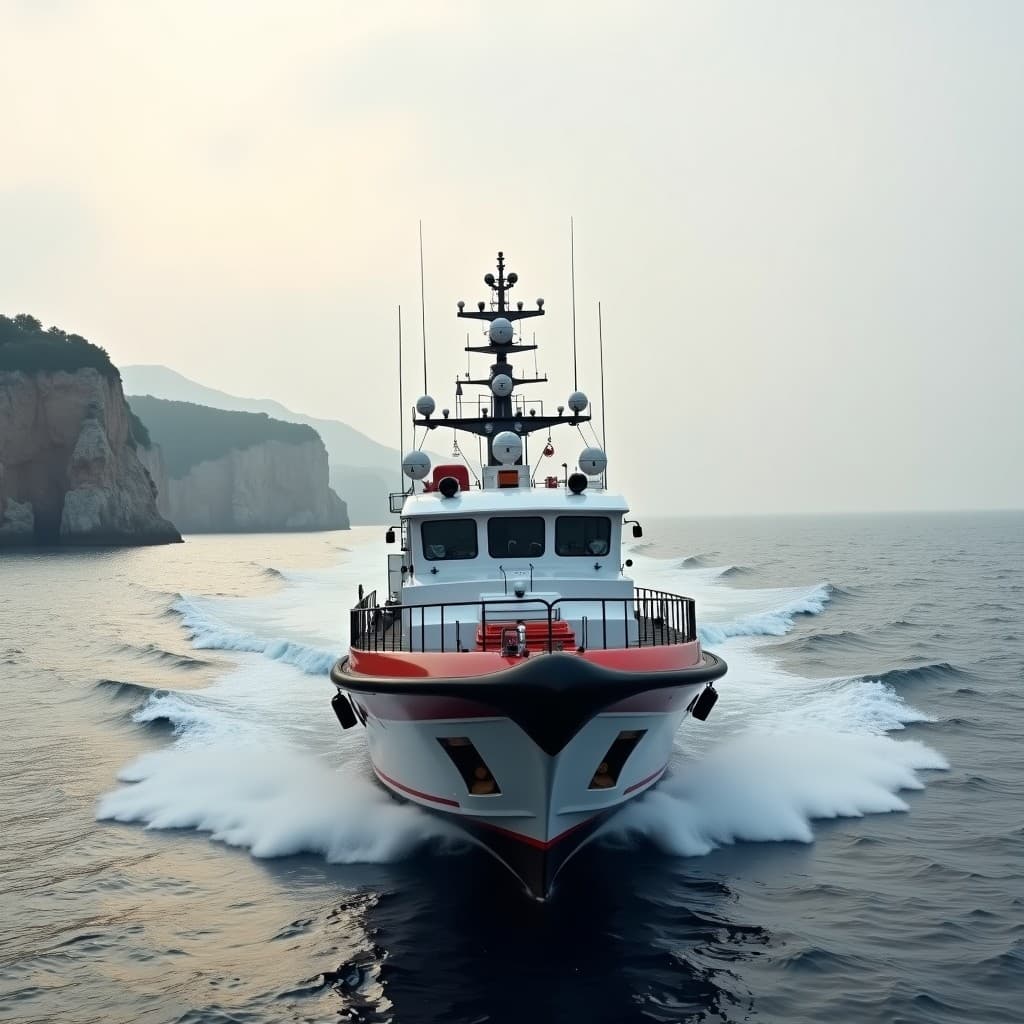
Italian rescuers have recovered ten bodies after a migrant boat capsized in waters off Malta, according to a coastguard statement released on Sunday. The vessel, which had departed from Libya carrying approximately 60 people, overturned in the central Mediterranean. About 48 people were rescued alive from the water.
The deaths add to a grim toll across the Mediterranean this year. Al Jazeera reported that at least 990 refugees and migrants have died attempting the crossing in 2026 alone, a figure that underscores the perilous nature of the route that passes through Sardinian waters.
For Sardinia, the island sits at the geographic and humanitarian centre of this crisis. The central Mediterranean crossing—from Libya and Tunisia toward Malta, Sicily, and mainland Italy—runs directly through waters that Sardinian coast guard and rescue services monitor and patrol. The island's position makes it both a waypoint and a destination for vessels in distress.
The capsizing occurred in international waters off Malta, but the rescue operation involved Italian naval and coast guard assets stationed across the southern Mediterranean, including those based in Sardinia. The Guardian's reporting on the incident noted that such disasters have become routine along this crossing, one of the world's deadliest maritime routes relative to the number of people who attempt it.
Sardinia's role in Mediterranean rescue operations has deepened over the past decade as migration flows have intensified. The island hosts Italian naval bases and coast guard stations that respond to distress calls across a vast expanse of sea. The Cagliari-based Maritime Rescue Coordination Centre coordinates responses to emergencies in waters extending from the Tyrrhenian Sea to the central Mediterranean approaches.
The scale of deaths this year—nearly 1,000 by early June, according to Al Jazeera—reflects both the desperation of those fleeing conflict and poverty in North Africa and the Middle East, and the inadequacy of safe, legal pathways to Europe. The Guardian's coverage has documented how smuggling networks exploit migrants' vulnerability, often overloading vessels and providing minimal safety equipment.
For Sardinia's fishing communities and maritime workers, the presence of migrant boats in distress has become a regular occurrence. Fishermen operating in central Mediterranean waters frequently encounter vessels in trouble and are often the first responders before official rescue services arrive. The psychological and practical burden this places on working people at sea has rarely featured in international coverage, though it shapes daily life in Sardinian ports.
The island's interior, meanwhile, remains largely disconnected from these Mediterranean dramas. Depopulation has hollowed out Sardinia's inland towns for decades, yet the coastal crisis of migration and rescue operations has become one of the defining features of Sardinian identity in foreign media. The contrast—between a dying interior and a Mediterranean frontier under constant pressure—captures a fundamental tension in the island's contemporary reality.
Italy's government has faced sustained criticism from the European Union and international human rights organisations for its migration policies. The Guardian and other outlets have documented how Italy has restricted the operations of private rescue ships in the Mediterranean, arguing that such vessels encourage more people to attempt the crossing. This policy debate plays out in Sardinian waters, where the tension between humanitarian rescue and border control becomes concrete.
The deaths off Malta also underscore the fragility of the vessels themselves. Smugglers typically use unseaworthy boats—rubber dinghies, overcrowded fishing vessels, and makeshift craft—that capsize easily in rough seas. The Mediterranean in June can be treacherous, with sudden storms and strong currents. Survivors of such incidents often report that their boats were in poor condition from the moment of departure.
Sardinia's coast guard has expanded its capacity in recent years to handle the volume of rescue operations. The island now hosts additional personnel and equipment dedicated to search and rescue in the central Mediterranean. Yet the scale of need far exceeds available resources. Each rescue operation ties up vessels and personnel for hours or days, limiting their availability for other emergencies.
The political dimension of Mediterranean migration has also shifted. Al Jazeera's coverage noted that the 2026 death toll reflects not only the number of people attempting the crossing but also changing patterns of enforcement and rescue. Fewer private rescue vessels operate in the central Mediterranean than in previous years, a consequence of both political pressure and legal uncertainty about their status.
For Sardinia's tourism industry, which depends heavily on the island's image as a Mediterranean paradise, the reality of migration crises poses a subtle challenge. International media coverage of drownings and rescues in Sardinian waters coexists with promotion of the island's beaches and heritage. The Guardian's reporting on the Dua Lipa wedding in Sicily earlier this month illustrated this tension—luxury tourism and humanitarian catastrophe occupying the same news cycle.
The island's special autonomy status within Italy gives it some capacity to shape its own response to migration. Sardinian authorities have advocated for greater EU support for reception and integration services, arguing that the island bears disproportionate burden relative to its population and resources. Yet these voices rarely reach international media, which tends to frame migration as an Italian national issue rather than a regional one.
The ten deaths off Malta represent individuals whose names and stories will likely never be known to the wider world. The Guardian's reporting, like that of Al Jazeera, documents the scale of loss without typically naming the dead—a reflection of both the volume of deaths and the difficulty of identifying victims after days in the water. For Sardinians involved in rescue operations, however, each incident carries weight and memory.
Looking ahead, the Mediterranean crossing is expected to intensify as summer approaches and weather conditions improve. The International Organization for Migration and other agencies have warned that 2026 may see record numbers of people attempting the journey. For Sardinia, this means continued pressure on rescue services, continued encounters with human tragedy, and continued tension between the island's identity as a tourist destination and its role as a frontier of European migration policy.