
LIGURIA
Ten dead as migrant boat capsizes off Malta; Italian rescuers recover bodies
Vessel carrying roughly 60 people from Libya overturns; 48 rescued alive as Mediterranean crossing toll mounts
Marina Doria1,247 wordsEdition №8Monday, 8 June 2026 — Edition № 8
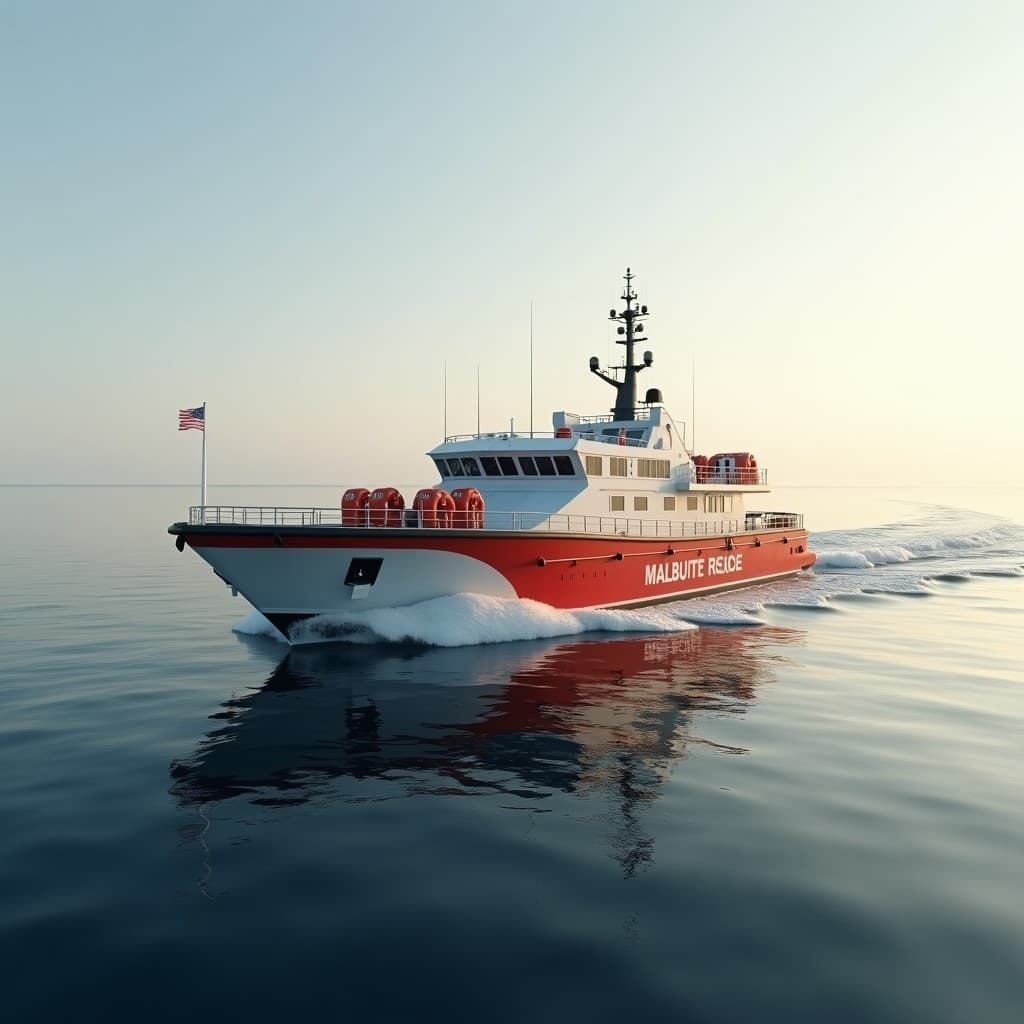
Italian rescuers recovered ten bodies after a migrant boat capsized in waters off Malta on Sunday, according to a coastguard statement reported by the Guardian and Al Jazeera. The vessel, which had departed from Libya carrying about 60 people, overturned during the crossing. Forty-eight people were rescued alive, the outlets reported.
The incident underscores the continuing toll of the Mediterranean crossing, one of the world's deadliest migration routes. Al Jazeera reported that at least 990 refugees and migrants have died this year while attempting the journey across the Mediterranean. The deaths occur despite sustained rescue operations by Italian, Maltese and European maritime authorities.
For Liguria, the capsizing reflects a pattern that has shaped the region's role in European migration policy for two decades. Genoa's port and the Ligurian coast have become a primary landing point for rescued migrants, with the city's rescue coordination centre managing operations across a vast stretch of the central Mediterranean. The regional economy and infrastructure have adapted around this reality: dedicated reception facilities, NGO operations, and the constant presence of rescue vessels in the harbour.
The Guardian's reporting placed the incident within the broader context of Mediterranean migration flows, which have intensified as geopolitical instability in North Africa and the Middle East continues to drive displacement. The outlet noted that Libya remains a primary departure point for migrants and refugees seeking to reach Europe, despite the dangers of the sea crossing and the documented risks of trafficking networks operating in Libyan ports.
Genoa has emerged as one of Europe's most significant reception points for rescued migrants, a role that has deepened over the past decade as EU border policy has shifted responsibility toward Mediterranean states. The Port Authority of Genoa coordinates with the Italian Coast Guard and the Maritime Rescue Coordination Centre (MRCC) to manage arrivals, which fluctuate seasonally but remain substantial year-round. The city's infrastructure—warehouses converted to reception centres, medical facilities, and processing hubs—reflects the scale of the operation.
The regional consequence extends beyond humanitarian response into economic and social planning. Tourism boards in the Riviera have had to navigate the reality of rescue operations visible from beaches and harbours, while local authorities balance the demands of receiving populations with the needs of residents and visitors. The Ligurian government has repeatedly called on Rome and Brussels for greater financial support and burden-sharing, arguing that coastal regions bear a disproportionate cost of migration policy.
Italian authorities have long maintained that the country receives a larger share of Mediterranean arrivals than other EU states, a claim supported by migration data cited in foreign coverage. The Guardian and other outlets have reported that Italy's geographic position—the closest EU shore to North Africa—makes it an inevitable destination for boats departing from Libya and Tunisia. This structural reality has made Liguria a permanent fixture in European migration debates.
The deaths recorded in Sunday's capsizing add to a grim annual toll. Al Jazeera's figure of 990 deaths in 2026 so far reflects a pace consistent with recent years, despite the presence of rescue vessels and improved coordination between Mediterranean states. The International Organization for Migration (IOM) and other humanitarian groups have attributed deaths to overcrowded vessels, poor weather conditions, and the tactics of smuggling networks that prioritize speed over safety.
Genoa's role in rescue operations has also shaped the city's relationship with migration advocacy groups and international humanitarian organisations. The presence of NGOs operating rescue missions from Ligurian ports—some funded by foreign donors, others by Italian and European sources—has made the region a focal point for debates about migration policy and state responsibility. These organisations coordinate with the Italian Coast Guard and provide medical and logistical support to rescued migrants.
The regional press and local authorities have noted that Sunday's incident occurred in waters nominally under Maltese jurisdiction, though Italian rescue assets responded to the distress call. This reflects the reality of Mediterranean rescue operations: national boundaries matter less than proximity and capability. Italian vessels, based in Genoa and other Ligurian ports, are often the first to respond to emergencies in central Mediterranean waters, creating a de facto responsibility that extends beyond Italian territorial waters.
Infrastructure investment in Liguria has been shaped by the need to accommodate rescue operations and migrant reception. The Port of Genoa has dedicated areas for Coast Guard vessels, and the city's medical system has expanded capacity to treat rescued migrants, many of whom arrive suffering from hypothermia, dehydration, and injuries sustained during the crossing. These investments represent a permanent commitment to a role the region did not choose but cannot escape.
The economic impact on Genoa's port operations is measurable but often overlooked in national migration debates. Rescue vessels occupy berths, reception centres require space and utilities, and the coordination of arrivals creates administrative burden. Yet the port authority and local government have integrated these functions into regular operations, treating migration response as part of the infrastructure's core mission rather than an exceptional burden.
Foreign coverage of Mediterranean migration has increasingly focused on the role of coastal European states, particularly Italy, in managing arrivals. The Washington Post, the Guardian, and other outlets have reported on the political tensions created by migration flows, with some EU states resisting burden-sharing agreements and others, including Italy, calling for stronger external border controls. Liguria's experience reflects these tensions at the regional level: the port city receives migrants while national policy debates their status and rights.
The capsizing also highlights the limits of rescue capacity. Despite the presence of Italian, Maltese, and other European vessels in the Mediterranean, not all boats in distress are reached in time. The Guardian's reporting noted that the vessel in Sunday's incident was spotted and rescued, but the ten deaths demonstrate that rescue operations, however coordinated, cannot prevent all losses. This reality shapes how Ligurian authorities and humanitarian groups approach their work.
Looking forward, the incident is likely to reignite debates in Rome and Brussels about migration policy, rescue operations, and burden-sharing among EU states. Liguria's position as a primary reception point means that regional authorities will face pressure to accommodate arrivals while managing local concerns about resources and integration. The port city's experience offers a case study in how migration policy is implemented at the regional level, where abstract debates about borders and sovereignty meet the concrete reality of rescued people requiring shelter, medical care, and processing.