
CAMPANIA
Ten dead as migrant boat capsizes off Malta; Campania braces for surge
Italian rescuers recover bodies as Mediterranean crossing toll climbs; Naples ports face renewed pressure
Rosaria Esposito1,247 wordsEdition №8Monday, 8 June 2026 — Edition № 8
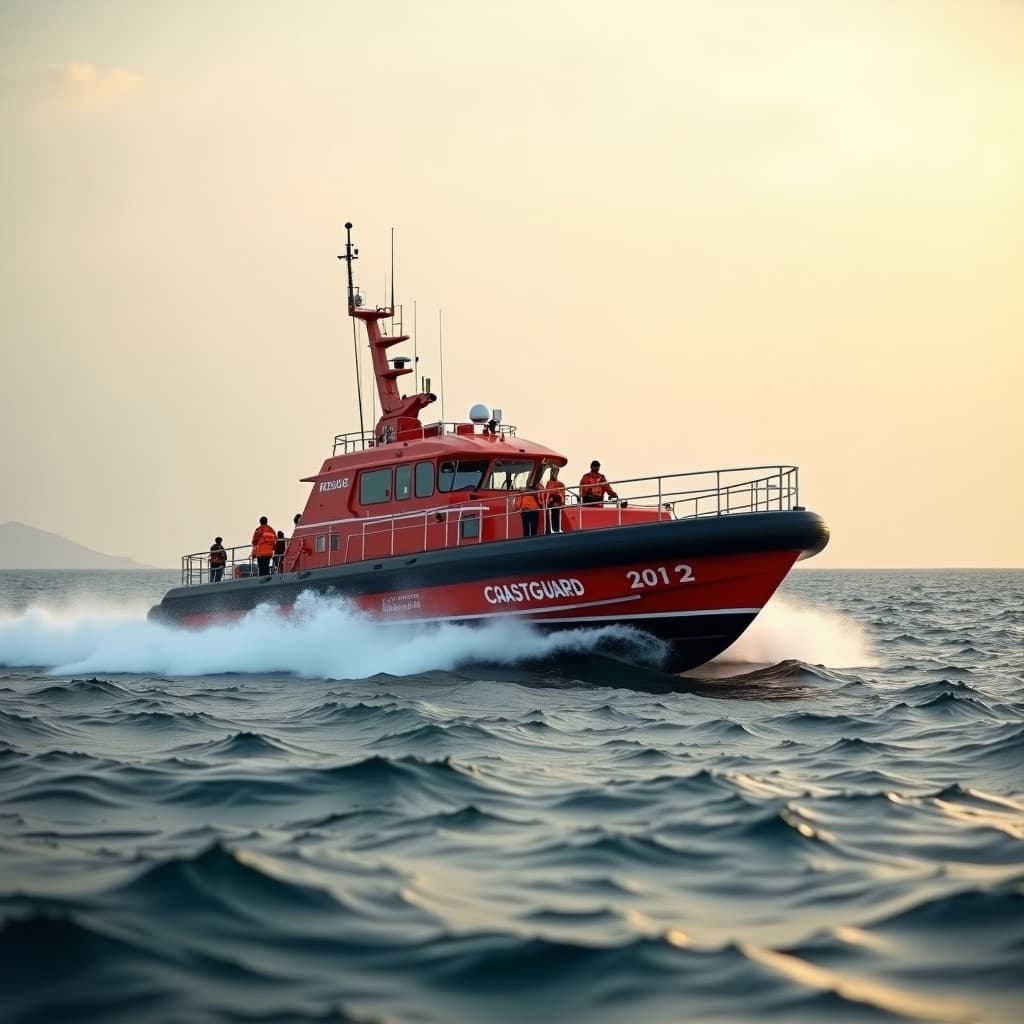
Italian rescuers recovered ten bodies after a migrant boat capsized in waters off Malta on Sunday, according to a coastguard statement reported by the Guardian. The vessel, which had departed from Libya carrying approximately 60 people, overturned in international waters. About 48 people were rescued alive, the Guardian reported, though the final toll remained unclear as rescue operations continued.
The incident marks another fatal chapter in the Mediterranean crossing. Al Jazeera reported that at least 990 refugees and migrants have died this year while attempting the perilous journey across the sea. The route, which funnels migrants northward through waters adjacent to Italy's southern maritime zone, has become the deadliest migration corridor in Europe.
For Campania, the consequences are immediate and structural. Naples and the region's ports serve as the primary landing point for rescued migrants in southern Italy, placing the burden of reception, medical care and processing on local authorities already stretched by years of arrivals. The Sunday capsizing will likely send another wave of survivors toward Campanian shores in the coming days.
The capsizing occurred in the central Mediterranean, the route that has claimed the most lives this year. The Guardian's reporting indicates the vessel left Libya with roughly 60 passengers—a typical capacity for the wooden and rubber boats that smugglers operate on this crossing. The fact that 48 people survived suggests the boat remained partially afloat long enough for rescue coordination, though ten deaths in a single incident underscores the margin between survival and catastrophe on this route.
The timing of the incident reflects broader patterns. Summer months typically see an uptick in crossing attempts as calmer seas make the journey marginally less lethal, though still deadly. The Guardian has reported that migrants and refugees time their departures to exploit seasonal weather windows, creating predictable surges in arrivals at southern European ports.
Campania's role in this system is unavoidable. The region's ports—Naples foremost among them—are designated as safe harbours under international maritime law. Any vessel in distress in the central Mediterranean, once rescued, must be brought to the nearest safe port. For boats departing from Libya, that is almost always southern Italy. For Campania specifically, Naples and smaller ports like Salerno become the first landing points.
The infrastructure for receiving migrants in Naples is chronically inadequate. The city's reception centres operate at or beyond capacity year-round. Local hospitals, already serving an ageing population and facing staff shortages, absorb the medical cases—hypothermia, aspiration, trauma. The regional health system absorbs the cost; the Italian state provides limited reimbursement. The burden falls on Campania.
Beyond immediate reception, the region faces secondary consequences. Migrants who survive the crossing and are processed through Campania often remain in the region, either housed in reception facilities or dispersed into informal settlements. Naples' informal economy, already substantial, absorbs many of these arrivals into undocumented labour. The pattern has been documented repeatedly in foreign coverage of southern Italy's migration crisis.
The Guardian's reporting on previous Mediterranean incidents has consistently highlighted the gap between European rhetoric on migration and the reality on Italy's southern coast. Italy has repeatedly called for burden-sharing among EU member states, arguing that southern European nations bear a disproportionate cost of rescue and reception. Yet the legal obligation to rescue vessels in distress remains unchanged, and Campania continues to absorb the human and financial toll.
This incident also reflects the failure of deterrence policies. Italy and other European states have attempted to discourage crossings through various means—naval patrols, deportation agreements with Libya, restrictions on NGO rescue operations. Yet the crossings continue, often with deadlier consequences. When fewer rescue assets are present, more people die. The Sunday capsizing occurred in waters where rescue coordination is theoretically strongest, yet ten people still perished.
The regional economic dimension is often overlooked in foreign coverage. Campania's tourism industry—a major revenue source for Naples and coastal towns—is sensitive to perceptions of instability and disorder. Visible migrant arrivals, processing centres, and the humanitarian crisis they represent can affect visitor numbers and investment. The region walks a careful line between humanitarian obligation and economic interest.
Campania's political leadership has historically been divided on migration. Some local officials have welcomed migrants as a source of labour and demographic renewal in a region losing young people to emigration. Others have framed arrivals as a security and social problem. This internal division mirrors broader Italian and European political fractures, but it plays out most acutely in Campania, where the arrivals are tangible and immediate.
The Sunday incident will likely trigger renewed calls from Italian officials for EU-level solutions. Italy's government has repeatedly demanded that other member states accept relocated migrants rescued in Italian waters, or that external borders be better secured to reduce crossing attempts. These calls have yielded limited results; burden-sharing remains contentious within the EU.
For Campania's civil society and humanitarian organisations, the capsizing represents both crisis and continuity. NGOs operating in Naples have developed expertise in trauma response, language services, and legal aid for migrants. Yet their resources are finite, and each major incident strains them further. The Sunday deaths will generate renewed fundraising efforts and volunteer mobilisation, a pattern that has repeated for years.
The longer arc is one of normalisation. Mediterranean drownings have become routine enough that they no longer generate sustained international attention unless the death toll is exceptionally high or the circumstances unusually dramatic. Ten deaths in a single capsizing merits reporting; it does not merit sustained policy change. For Campania, this means the structural burden of migration management will persist, absorbed incrementally by local institutions.
Looking ahead, the summer crossing season will likely intensify. Al Jazeera's figure of 990 deaths so far this year suggests the pace is consistent with recent years, neither accelerating nor decelerating. Campania should expect additional arrivals, additional deaths, and additional pressure on its reception and healthcare systems. The regional economy will continue to absorb these costs, often invisibly, as the human and financial burden of a Mediterranean migration crisis that Europe has failed to solve.