
CALABRIA
Pope appeals for migrant dignity as Mediterranean crossings remain deadly
Pontiff's Canary Islands visit underscores Europe's unresolved border crisis as southern routes persist
Saverio Gallo456 wordsEdition №16Monday, 15 June 2026 — Edition № 16
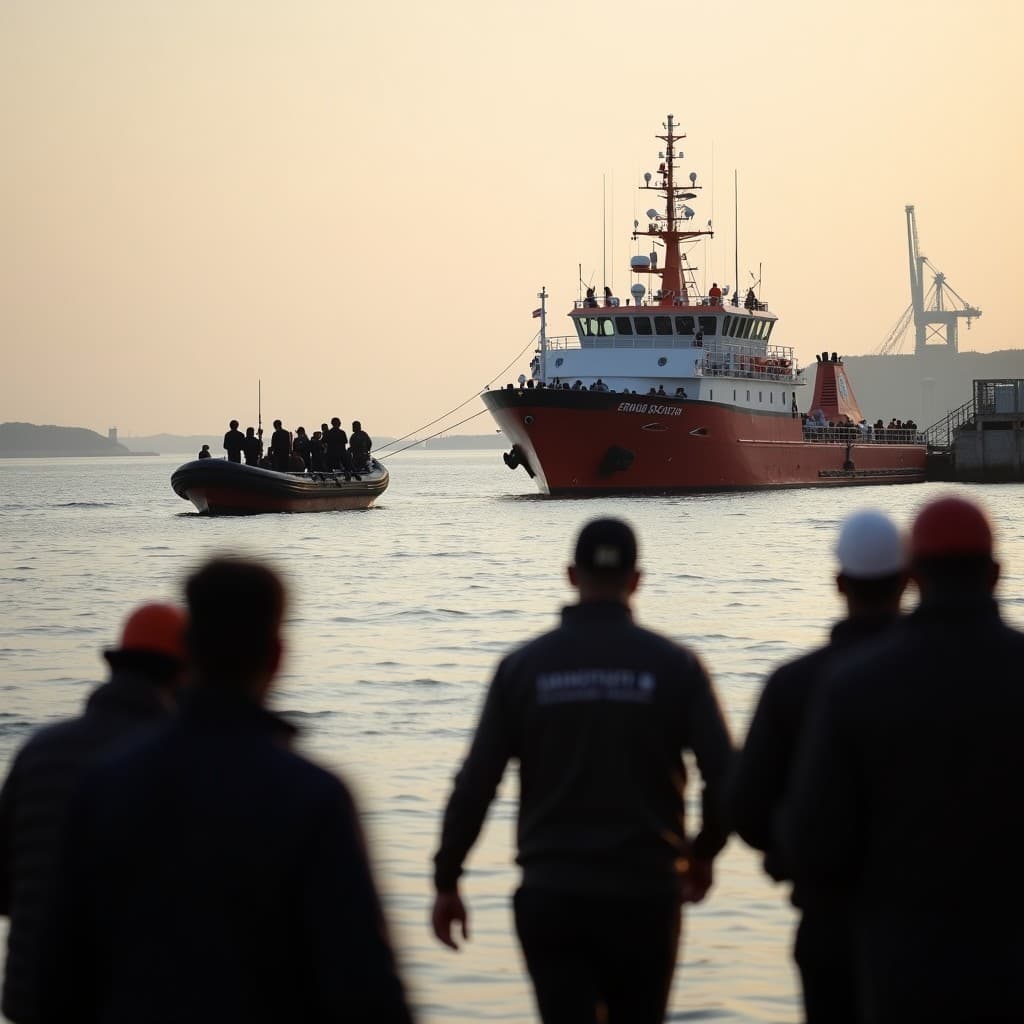
Pope Leo visited the Canary Islands this week to emphasise the need for a humane and respectful approach to migrants seeking safer lives, according to the BBC. The papal visit highlights the persistence of perilous journeys across the Mediterranean and Atlantic routes, as migrants continue to risk dangerous crossings despite European border tightening. The pontiff's appeal for dignity and welcome stands in tension with the hardening immigration policies across the EU and the member states that border the sea.
For Calabria, the papal message arrives as the region remains a primary landing point for Mediterranean crossings. Gioia Tauro and other Calabrian ports continue to receive rescue vessels and migrant arrivals, even as European rules tighten and national governments debate reception capacity. The Pope's call for respect and inclusion contrasts sharply with the security-first framing that dominates Mediterranean migration discourse in European capitals and in Italian politics.
The BBC reported that Leo's visit to the Canary Islands—a Spanish territory that has itself absorbed significant migration flows—underscores the Pope's consistent position that migrants deserve protection and dignity. The pontiff has repeatedly called for legal pathways and humane reception, a stance that places the Church at odds with rising anti-immigration sentiment across Europe. His appeal for a respectful welcome reflects the Church's institutional memory of past papal teaching on migration and the stranger.
Calabria's role in the Mediterranean migration system means the region experiences the consequences of European border policy directly. When the Pope calls for humane approaches, he addresses a reality Calabrian ports and communities know intimately: arrivals are ongoing, rescue operations continue, and the question of how to receive people remains unresolved. The foreign press has increasingly covered Calabrian reception efforts and the Riace model of integration as a counterpoint to fortress Europe narratives, yet those efforts remain chronically under-resourced and contested politically.
The tension between papal rhetoric and European policy reflects a deeper fault line: the Mediterranean South bears the operational and social weight of migration while northern and western European capitals set the rules. Calabria absorbs arrivals, manages rescues, and debates integration while Brussels tightens regulations and Rome navigates between EU compliance and domestic political pressure. The Pope's visit to the Canary Islands, a distant Atlantic frontier, draws attention to a migration crisis that remains fundamentally Mediterranean—and fundamentally unresolved.