
EMILIA-ROMAGNA
Ten Dead in Mediterranean as Italy's Rescue System Faces New Pressure
A capsized migrant boat off Malta underscores the persistent toll of the Mediterranean crossing and the strain on Italy's coast guard.
Giulia Benati1,389 wordsEdition №8Monday, 8 June 2026 — Edition № 8
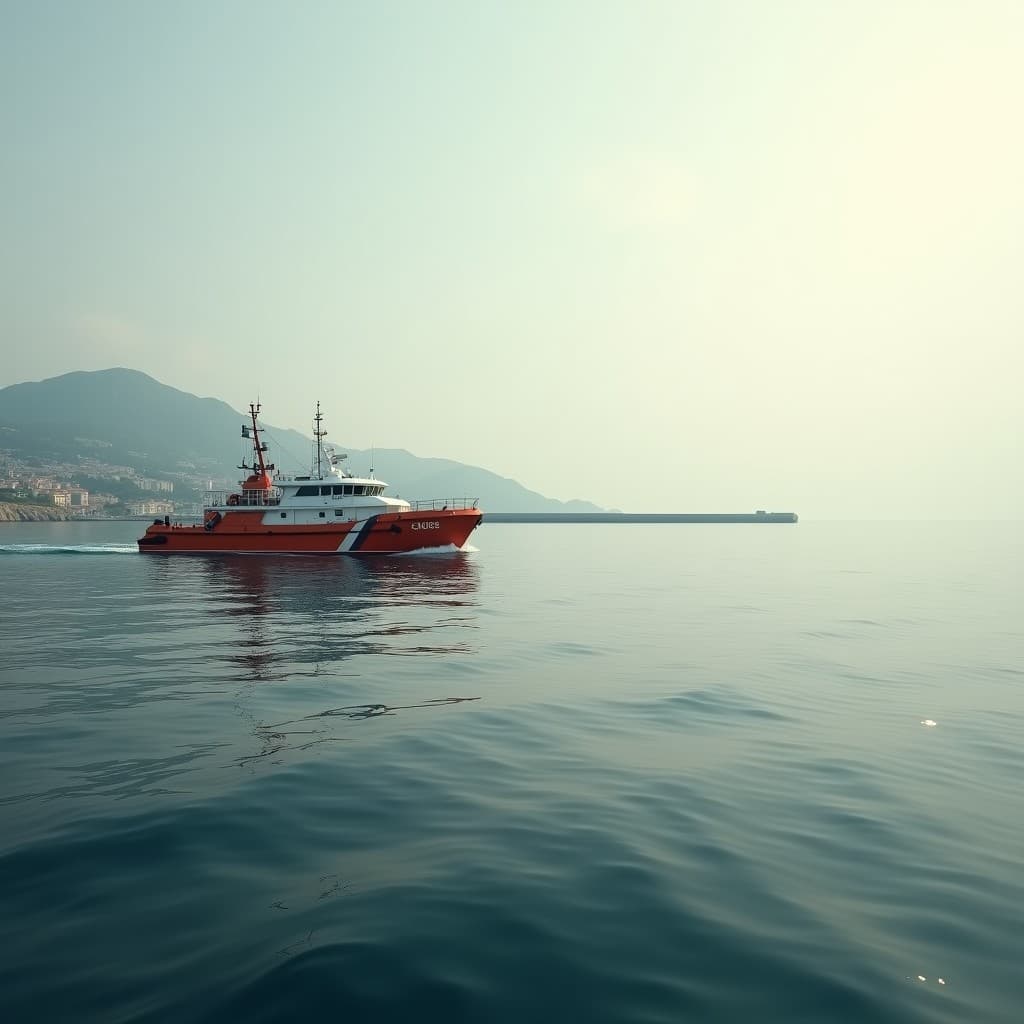
Italian rescuers recovered ten bodies on Sunday after a migrant boat capsized in waters off Malta, according to a statement from the Italian coastguard cited by the Guardian. The vessel, which had departed from Libya carrying approximately 60 people, overturned in the central Mediterranean. About 48 people were rescued alive, leaving a death toll that underscores the persistent danger of the crossing and the continuing strain on Italy's maritime rescue infrastructure.
The incident is not an outlier but part of a pattern that has defined Mediterranean migration for years. The route from Libya to southern Europe remains one of the world's deadliest migration corridors, with thousands of people attempting the crossing each year despite the known risks. Italy, as the closest EU nation to North Africa and the primary destination for many migrants, bears the largest burden of rescue operations and humanitarian response.
For Emilia-Romagna, the incident carries particular weight. The region has long been a destination for migrants who reach Italian shores, and the region's civic and welfare infrastructure has been strained by the scale of arrivals and the complexity of integration. The Bologna area and other cities in the region have grappled with housing migrants, providing language training, and facilitating access to employment—all while managing public opinion that has grown increasingly skeptical of immigration.
The Mediterranean crossing has claimed tens of thousands of lives over the past two decades. The International Organization for Migration has documented the toll with grim consistency: in some years, one in every fifty people attempting the crossing dies. The numbers fluctuate based on weather conditions, the routes chosen, and the capacity and willingness of rescue operations to intervene. Yet the underlying reality remains constant: people continue to attempt the crossing because the conditions they are fleeing—poverty, conflict, persecution—feel worse than the risk of drowning.
Italy's role in this system is complex and contested. The country serves as both a rescue nation and a border state. Italian coast guard vessels, often operating in coordination with commercial shipping and NGO-operated rescue boats, have saved tens of thousands of lives. Yet Italy has also become increasingly restrictive in its migration policies, and successive governments have sought to limit the number of migrants reaching Italian shores. The tension between these two roles—humanitarian rescuer and border enforcer—defines much of the contemporary debate about migration in Italy.
The incident off Malta occurred in international waters, technically outside Italian jurisdiction. Yet Italian rescue assets responded, as they typically do when lives are at risk. The coordination between Italian, Maltese, and other Mediterranean nations' rescue services is a complex affair, governed by international maritime law and bilateral agreements. When a boat is in distress, the nearest capable vessel is typically obliged to respond, regardless of which nation it belongs to. This system has saved countless lives, but it also means that Italy, as a major maritime power with significant rescue capacity, bears a disproportionate share of the burden.
The broader context is one of political polarization around migration. Italy's government has taken a harder line on immigration in recent years, with some officials characterizing migrants as a security threat rather than a humanitarian concern. The far-right National Future party, according to the Local Italy, recently doubled its parliamentary representation to eight MPs, reflecting the political salience of migration as an issue. This hardening of political rhetoric has not stopped rescue operations—maritime law and humanitarian obligation remain binding—but it has created an environment in which the costs and benefits of migration are debated with increasing intensity.
Emilia-Romagna's experience with migration has been distinctive. The region, with its strong cooperative tradition and relatively robust welfare system, has historically been more welcoming to migrants than some other parts of Italy. Yet even in Emilia-Romagna, the scale of arrivals has created tensions. Housing shortages, competition for low-wage jobs, and cultural integration challenges have all generated political debate. The region's left-leaning political tradition has generally supported more inclusive migration policies, but this consensus has frayed as the numbers have grown and the economic pressures have mounted.
The incident also raises questions about the sustainability of Italy's rescue-based approach to migration. If thousands of people continue to attempt the crossing each year, and if rescue operations continue to save most of those who reach the sea, then Italy will continue to receive large numbers of migrants. The alternative—allowing people to drown—is unacceptable on humanitarian grounds and would violate international maritime law. Yet the political pressure to reduce arrivals remains intense, creating a contradiction that Italian policymakers have struggled to resolve.
The European Union's approach to migration has been evolving, with increasing emphasis on border control and burden-sharing among member states. Italy has long argued that it bears a disproportionate share of the burden, given its geography and the scale of arrivals. Recent EU negotiations have attempted to distribute responsibility more equitably, but progress has been slow and contentious. The incident off Malta is a reminder that these policy debates have real human consequences.
For the Italian coast guard and other rescue services, the operational challenge is immense. Vessels must be maintained, crews trained, and operations coordinated across vast distances and in difficult conditions. The Mediterranean is subject to sudden storms and unpredictable weather, and rescue operations often occur in darkness or poor visibility. The professionalism and dedication of Italian rescue personnel has been widely praised, but the system is stretched thin by the volume of incidents and the geographic scope of operations.
The incident also highlights the role of smuggling networks in driving migration. The boat that capsized departed from Libya, where smugglers operate with relative impunity and where migrants are often packed into unseaworthy vessels. The economics of smuggling create perverse incentives: smugglers profit from each migrant transported, regardless of whether the vessel is safe or whether the crossing is successful. Migrants, desperate to reach Europe, often have limited options and may not know the true risks they are taking.
International efforts to combat smuggling have had limited success. Law enforcement operations in Libya and other transit countries have disrupted some networks, but the fundamental drivers of migration—poverty, conflict, persecution—remain in place. As long as people believe that reaching Europe offers a better life than staying in their home countries, some will attempt the crossing, and some will die in the attempt.
For Emilia-Romagna specifically, the incident raises questions about the region's capacity to continue absorbing migrants at current rates. The region's employment market has been relatively strong, and the cooperative tradition has provided some institutional framework for integration. Yet housing costs have risen, and competition for low-wage jobs has intensified. The region's aging population means that there is demographic demand for younger workers, but this does not necessarily translate into political acceptance of migration.
The incident also underscores the importance of international cooperation on migration and rescue. The Mediterranean is a shared space, and the challenges of migration cannot be solved by any single nation. Yet the political will for genuine burden-sharing remains limited, and countries continue to pursue national interest rather than collective solutions. Italy's position as a major Mediterranean power gives it both responsibility and leverage in these negotiations, but translating that into policy change has proven difficult.
Looking forward, the pattern of Mediterranean migration is likely to continue unless the underlying drivers change. Climate change, conflict, and economic inequality in North Africa and the Middle East are likely to push more people toward migration in the coming years. Italy will continue to face the choice between accepting migrants, attempting to prevent them from reaching Italian shores, or allowing them to drown. The incident off Malta is a reminder that this choice has real consequences, and that humanitarian obligations and political pressures will continue to collide.