
MOLISE
Ten Dead Off Malta as Mediterranean Crossing Season Peaks
Capsized boat rescue exposes the scale of summer migration pressure on Italy's southern frontier
Antonio Petrella1,198 wordsEdition №10Wednesday, 10 June 2026 — Edition № 10
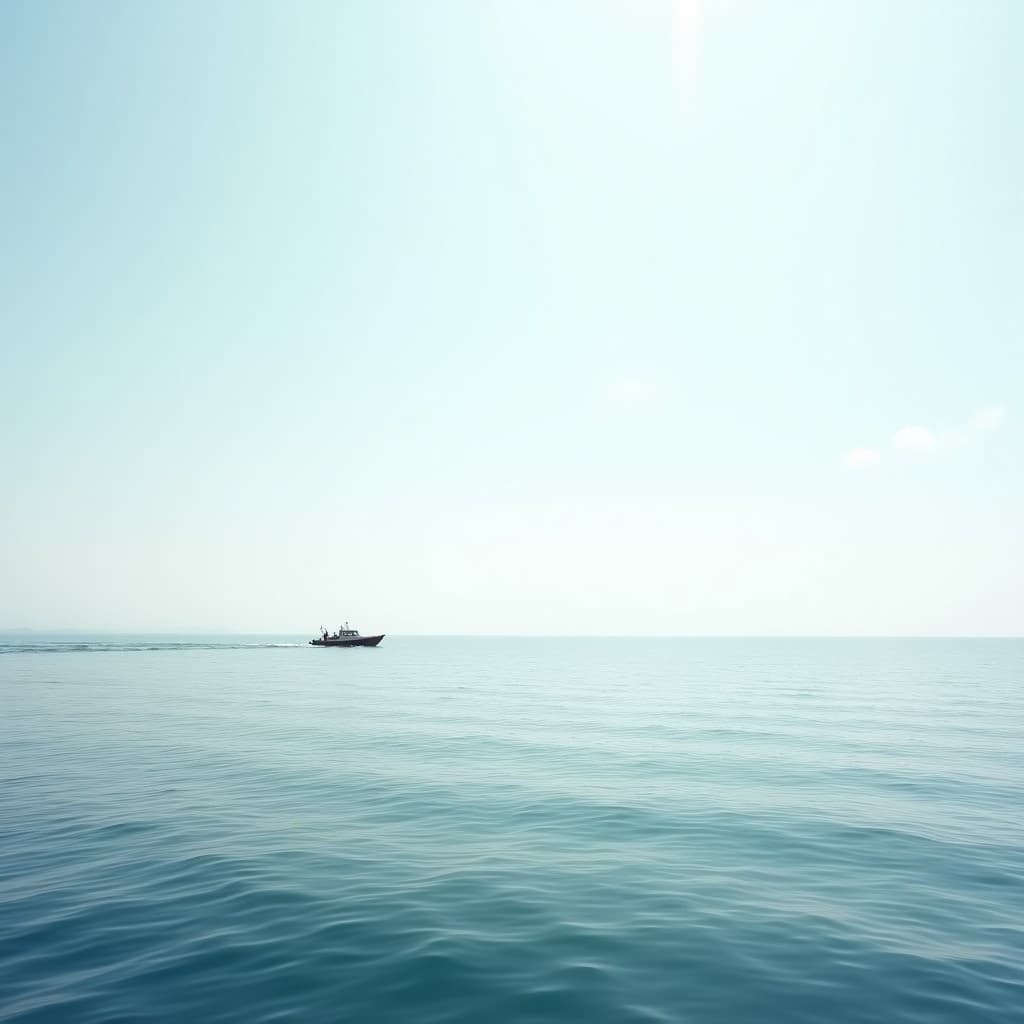
A migrant boat carrying approximately 60 people capsized in waters off Malta on Sunday, leaving at least 10 dead and 48 rescued, according to the Italian coastguard, as reported by the BBC, The Guardian, and AP News. The vessel had departed from Libya and overturned in one of the Mediterranean's busiest migration corridors. The rescue operation, coordinated by Italian authorities, marks the beginning of what international outlets expect to be a dangerous summer season for sea crossings.
The timing of the capsizing—early June, as temperatures rise and migration pressure builds—reflects a seasonal pattern documented by foreign press coverage for years. Spring and summer months see a surge in crossing attempts as weather conditions improve and migrant networks activate their supply chains. The BBC reported that the Italian coastguard recovered the bodies, while a fishing vessel conducted the rescue of survivors, a division of labour that has become routine on Mediterranean routes.
For Molise, a region with a small Adriatic coastline and a long history of migration both inbound and outbound, the summer surge carries particular weight. The region's ports and coastal communities have absorbed migrants for decades—some passing through toward central Europe, others settling in Molise's towns and villages. The capsizing off Malta signals that the routes which bring migrants through Molise's waters are now entering their most dangerous phase.
The boat that capsized near Malta was one of dozens attempting the crossing each week during summer months. According to The Guardian, the vessel had departed from Libya carrying about 60 people. The crossing from Libya to Malta or Sicily is among the shortest Mediterranean routes, but also among the deadliest: the distance is short enough to encourage overcrowding, and the waters are unpredictable. The BBC noted that the Italian coastguard recovered 10 bodies; AP News reported that a fishing vessel rescued 48 survivors.
The identities of the dead remain unclear in international reporting, as is typical for Mediterranean casualties. The survivors will be processed through Italian reception systems, many of them eventually dispersed to other regions or other European countries. Some may remain in Italy; others will attempt onward migration. The route itself—Libya to Malta to Italy—is one of the most established in the Mediterranean migration system, documented by international outlets since the 2010s.
Molise's position in this system is geographical and historical. The region's Adriatic coast, though small, sits on routes that connect the Balkans to central Italy. Migrants crossing from Albania, Montenegro, or Bosnia often arrive on Molise's shores before moving inland. The region's towns—Termoli, Campomarino, Petacciato—have small ports and limited reception infrastructure. During summer months, when crossing attempts peak, these communities face sudden arrivals of exhausted, traumatized migrants with minimal warning or resources.
The international press has documented Mediterranean migration for decades, but the focus has typically been on larger ports—Naples, Palermo, Lampedusa—or on dramatic incidents like shipwrecks. Molise's smaller role in the migration system means that arrivals there receive less attention. Yet the region absorbs migrants regularly, and the summer season brings predictable pressure on local authorities and civil society organizations.
Foreign coverage of Mediterranean migration has increasingly emphasized the systemic nature of deaths at sea. The Guardian, the BBC, and other outlets have reported that capsizings and drownings are not accidents but predictable consequences of a system that pushes migrants into overcrowded boats with inadequate safety equipment. The ten dead off Malta are part of a pattern: hundreds die each year in Mediterranean crossings, with the vast majority of deaths going unrecorded and unmourned in international media.
The summer season ahead will likely see more capsizings, more rescues, and more deaths. AP News and other outlets have reported that migration pressure from North Africa and the Middle East shows no sign of diminishing. The wars in Syria and Sudan, economic collapse in Libya, and climate stress across the Sahel all drive people toward Mediterranean routes. The boats will continue to leave Libya; some will reach Italy, and some will sink.
For Molise, the summer season means preparing for arrivals that cannot be predicted in advance. The region's small towns lack the reception facilities of larger ports. Civil society organizations—churches, charities, volunteer groups—provide most of the immediate care. Local authorities coordinate with national immigration services. But the infrastructure is minimal, and the pressure is real.
The capsizing off Malta occurred in international waters, but the rescue and recovery fell to Italian authorities. This division of responsibility—deaths in international waters, rescue by Italian forces, processing in Italian territory—has created a system where Italy bears much of the burden of Mediterranean migration while having limited ability to control the flows. The Guardian and other outlets have reported that Italy has repeatedly called for European burden-sharing on migration, with limited success.
Molise's role in this broader European migration system is often overlooked. The region is not a primary destination for migrants; most move through toward Rome, Milan, or northern Europe. But Molise is a point of entry, a place where exhausted, traumatized people first touch European soil. The region's small towns absorb them temporarily, then pass them onward. The system works because it is distributed across many regions, each bearing a small part of the load.
The ten dead off Malta will be counted in international statistics on Mediterranean migration deaths. They will be memorialized in reports by human rights organizations and international outlets. But their individual stories—who they were, where they came from, what they hoped to find—will likely remain unknown. This anonymity is itself part of the system: migration deaths are so routine that individual names and faces rarely penetrate international coverage.
As summer progresses, more boats will leave Libya. Some will reach Italy safely; others will capsize or sink. Molise's coastline will receive some of the survivors. The region's towns will provide temporary shelter, food, and medical care. Then the migrants will move on, and Molise will return to its ordinary invisibility. But the Mediterranean will continue its work, indifferent to borders or statistics.
The capsizing off Malta is not an exceptional event; it is a predictable one. International outlets have documented Mediterranean migration for years, and the pattern is clear: more people will attempt crossings, more boats will capsize, and more people will die. The question is not whether this will happen, but how many times it will happen before the system changes. For now, the answer is: many more times.