
INTERNATIONAL
Fifty-one migrants lost as boat capsizes off Libya
Calabria faces fresh toll as Mediterranean crossings claim dozens; bodies wash ashore in eastern Libya
Saverio Gallo412 wordsEdition №25Wednesday, 24 June 2026 — Edition № 25
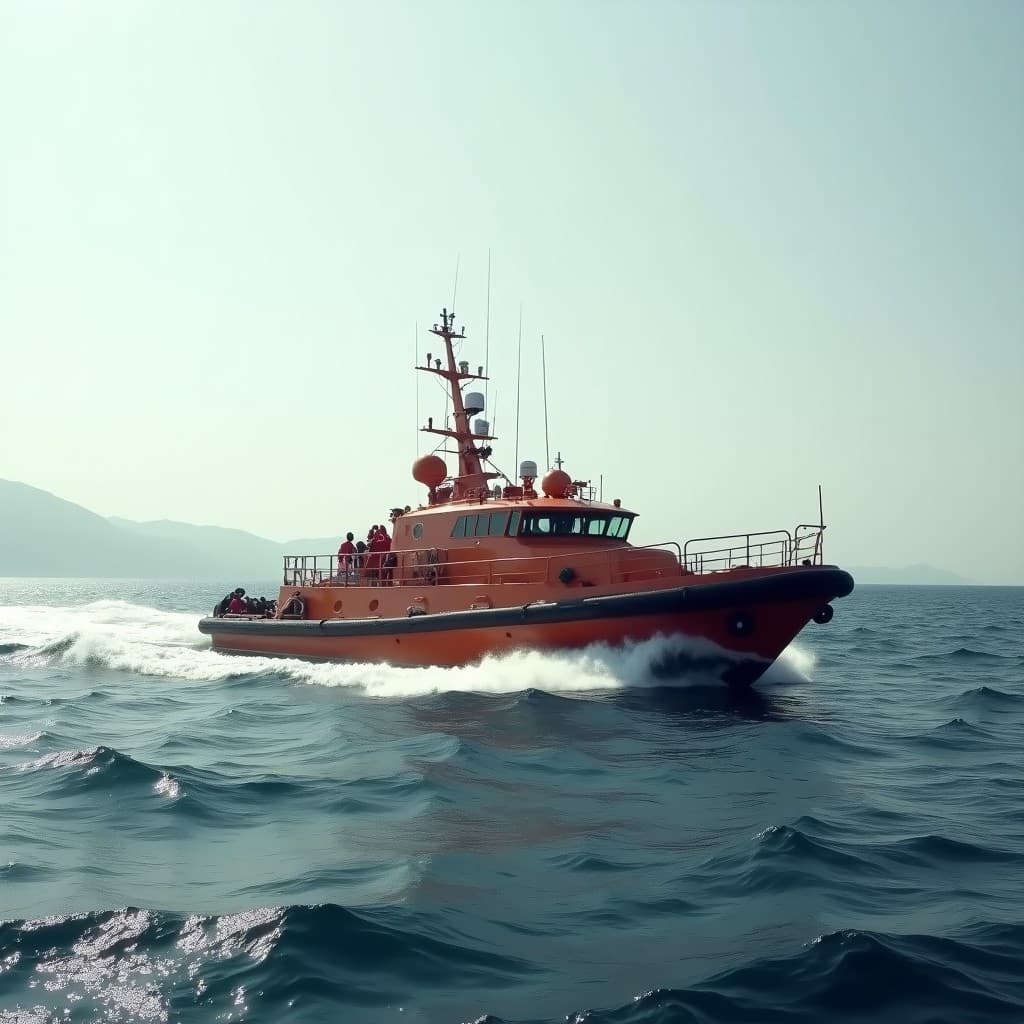
A boat carrying migrants capsized off the coast of Libya last week, leaving 51 people dead or missing, according to a monitoring group cited by the Associated Press on Friday. The shipwreck occurred on June 12 in the Mediterranean Sea off the eastern part of the North African coast. Ten migrants survived the disaster, which adds to the mounting toll of attempted crossings to Europe through waters that Calabria's ports and rescue services know intimately.
At least fifteen migrant bodies, including a child, have washed ashore along Libya's eastern coast, Reuters reported on June 20, citing sources in Benghazi. The bodies recovered underscore the scale of loss in waters where thousands attempt the crossing each year, many departing from or transiting through North African ports that feed routes toward Italy and the wider Mediterranean frontier.
The capsizing reflects the persistent hazard of the central Mediterranean crossing, where unseaworthy vessels and overcrowding remain endemic. Calabria's coastline, particularly around Gioia Tauro and the Ionian ports, receives migrants who survive such journeys, placing the region at the frontline of both rescue operations and the political debate over European migration policy. The deaths come as the European Union has hardened its asylum rules, intensifying pressure on Italy's reception infrastructure.
Foreign coverage of Mediterranean migration routinely documents the Mediterranean as one of the world's deadliest maritime routes. The Guardian and other international outlets have reported that thousands of migrants attempt the crossing each year, with fatality rates varying sharply by season, vessel type and departure point. The June 12 capsizing, reported across the American and international press, represents a single incident in a pattern that shows no sign of abating.
Calabria's role in this geography is both humanitarian and administrative. The region receives arriving migrants at ports and through its reception system, and its coastal towns have become focal points for European migration politics. The Riace model—the small Calabrian municipality that gained international attention for its integration of migrants—has been cited by international media as a counterpoint to hardline approaches, though the broader region remains chronically under-resourced for the scale of arrivals it handles.
The EU's recent shift toward offshore detention and tighter asylum rules, covered extensively by Politico Europe and Deutsche Welle, has raised questions about Italy's capacity and willingness to absorb further arrivals. Each major incident in the Mediterranean reignites these tensions, with Calabria bearing the immediate human and logistical burden while Brussels and Rome negotiate policy frameworks that often treat migration as a security issue rather than a humanitarian one.