
INTERNATIONAL
Meloni's Trump dispute deepens as Italy cancels US diplomatic visit
The Atlantic relationship frays after Trump's claim that the Italian PM 'begged' for a G7 photo, prompting Rome to withdraw envoy and escalate rhetoric.
Adriana Sole612 wordsEdition №23Monday, 22 June 2026 — Edition № 23
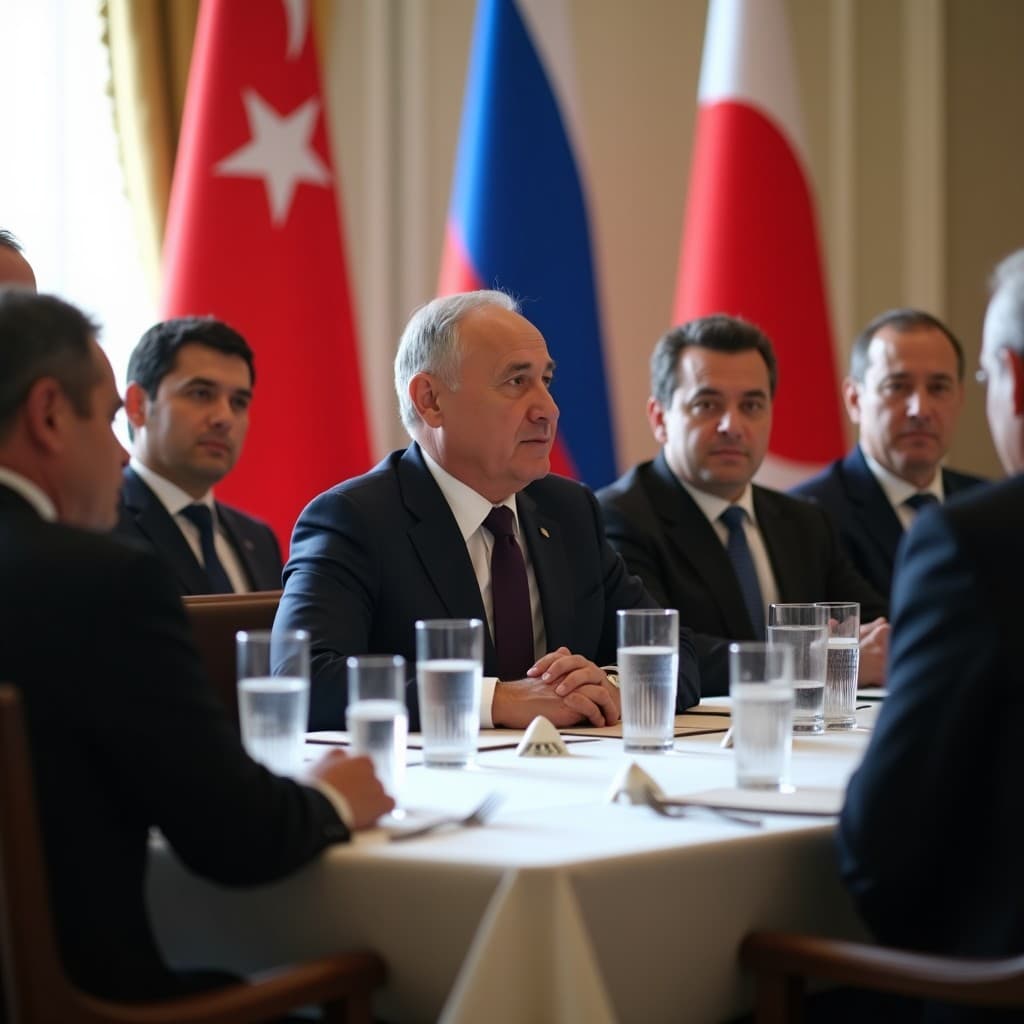
According to the BBC, the New York Times, France 24 and the Associated Press, US President Donald Trump told Italian media that Italian Prime Minister Giorgia Meloni had 'begged him for a photo' at the recent G7 summit in France. In response, Meloni posted a video on social media saying Trump's claim was 'completely made up,' and called the remarks 'frankly stunned.' Italy's Foreign Minister Antonio Tajani subsequently cancelled a planned visit to the United States, signalling a diplomatic escalation of the dispute.
Trump escalated further on Saturday, according to the Washington Post and CBS News, accusing Meloni of repeatedly seeking a photograph with him and linking the dispute to broader tensions over Iran and NATO. Meloni responded by telling Trump to 'focus on your own popularity,' as the BBC reported, marking an unusually direct public confrontation between two leaders whose political alignment had once been celebrated in international circles. The row underscores a fundamental shift in the transatlantic relationship as seen from Rome.
The dispute reveals the fragility of the Meloni-Trump relationship, which once positioned Italy as a reliable ally within the American-led Western order. According to the Washington Post, the 'war in Iran'—a reference to recent Middle Eastern escalations—'turned their friendship into a liability for her,' suggesting that Meloni's need to maintain European and NATO cohesion has put her at odds with Trump's unpredictable approach to foreign policy. The photo claim, trivial on its surface, appears to have become a proxy for deeper disagreements over strategy and loyalty.
For Italy's foreign policy establishment, the cancellation of Tajani's visit and the public spat with Trump signal a recalibration of Rome's Atlantic bearing. Italy remains a NATO member and a G7 power, but the ease with which Trump can publicly mock Meloni—and the speed with which she feels compelled to respond—suggests that the transatlantic consensus Italy has relied upon is no longer secure. The dispute also comes at a moment when Italy is facing pressure from other EU members over migration policy and when questions about NATO's future are intensifying.
The timing is significant for Italy's domestic politics as well. As Meloni prepares for the 2027 election, her ability to project strength on the international stage matters for her coalition. The public rupture with Trump, whom she once cultivated as an ally, could be weaponised by rivals on the left and right. On the right, far-right figures like Vannacci may use the dispute to argue that Meloni has abandoned nationalist principles in favour of European and Atlantic consensus-building. The fracture with Trump, in short, may have consequences that extend well beyond the immediate diplomatic row.