
NATIONAL
Meloni rejects Trump's account of G7 encounter
Italian PM disputes US president's claim she sought photo to boost approval ratings
Davide Ruspoli418 wordsEdition №33Thursday, 2 July 2026 — Edition № 33
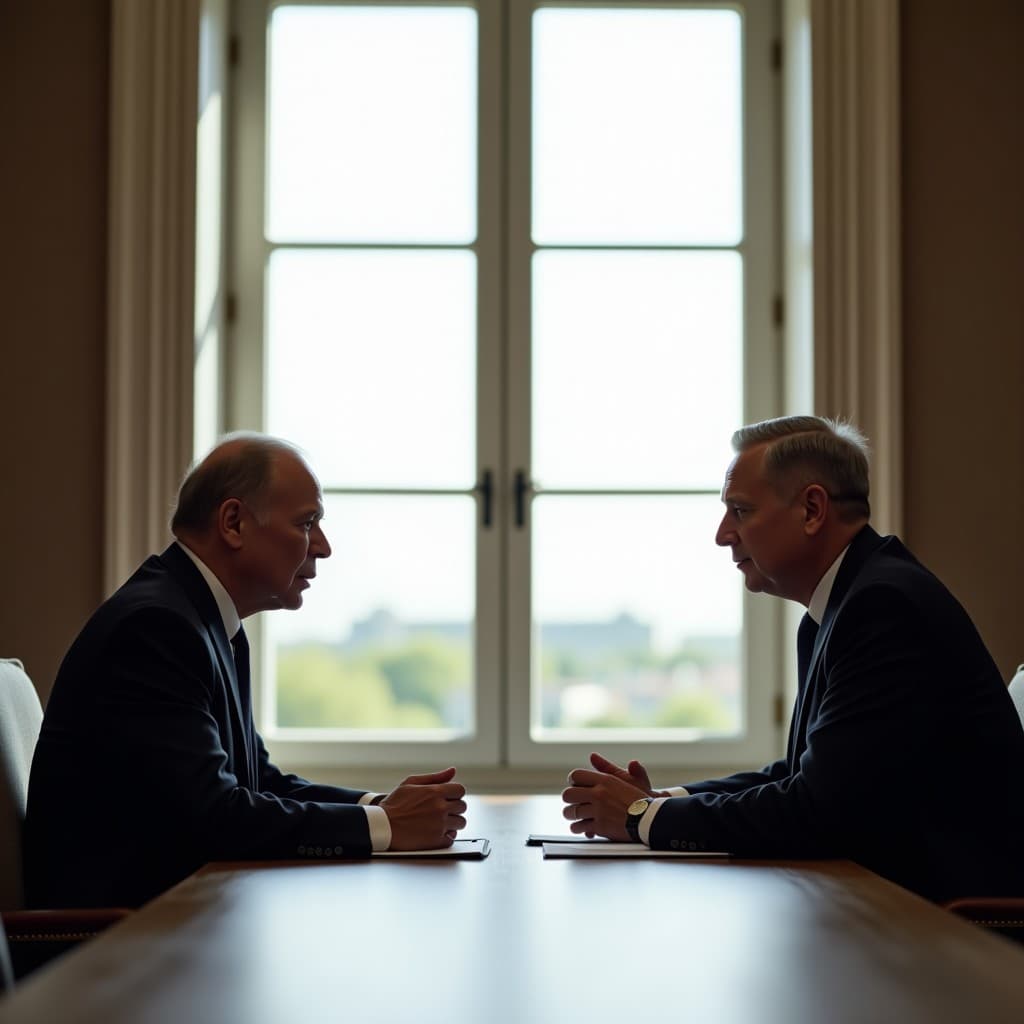
Prime Minister Giorgia Meloni has forcefully rejected Donald Trump's claim that she sought a photograph with him at the recent G7 meeting in France to bolster her flagging approval ratings. Trump told an Italian television journalist that Meloni had "begged" him for the picture and later doubled down on the assertion in a Truth Social post, attributing her political difficulties to her failure to support the United States in its conflict with Iran. The Guardian reported that Meloni responded in a social media video declaring Trump's account "made up," stating: "I do not beg, nor does Italy."
The exchange marks a fresh rupture in the fraught relationship between Rome and Washington. Trump's grievance appears rooted in perceived disrespect; the Spanish newspaper El País suggested his irritation stemmed from a video at the G7 showing Meloni appearing to scold him. Meloni's response fused personal dignity with national pride, expressing puzzlement at Trump's apparent willingness to treat allies worse than adversaries. In a subsequent Instagram post, she acknowledged that her popularity had declined but insisted the cause lay elsewhere, adding acerbically that friendship with Trump was "not helping."
The tension has extended into the diplomatic sphere. Antonio Tajani, Meloni's foreign minister, cancelled plans to attend a US-Italian business forum in Miami, signalling official displeasure. Yet the Guardian's analysis suggests the rift may serve Meloni's domestic political interests: with a general election looming and her approval ratings under pressure, a public stand against Trump's perceived arrogance offers her a rare opportunity to assert Italian independence and appeal to voters wearied by American demands.
The substance of the dispute reflects deeper strategic disagreement. Meloni has resisted Trump's pressure to align Italy unequivocally with the US position on Iran, maintaining instead a posture of studied ambiguity for weeks before gradually distancing Italy from the conflict. The Guardian noted that even now, the Italian government is working with the US administration to patch things up, suggesting that despite the public confrontation, Rome and Washington remain engaged in quiet diplomatic repair.
Trump's hostility toward Europe is not novel, yet Meloni has historically avoided direct confrontation, remaining conspicuously silent when Trump opened new fronts on tariffs, Ukraine, or Greenland. The current clash represents a departure from that pattern, possibly reflecting Meloni's weakened domestic position and her calculation that standing up to Trump carries electoral value at home. Whether the rift is substantive or performative remains unclear; what is evident is that the transatlantic alliance under Trump continues to strain Italy's efforts to balance European solidarity with American pressure.