
NATIONAL
Meloni breaks with Trump over trade and credibility
Italy's PM signals willingness to challenge US president as transatlantic alliance fractures over defense spending and economic rivalry
Adriana Sole612 wordsEdition №25Wednesday, 24 June 2026 — Edition № 25
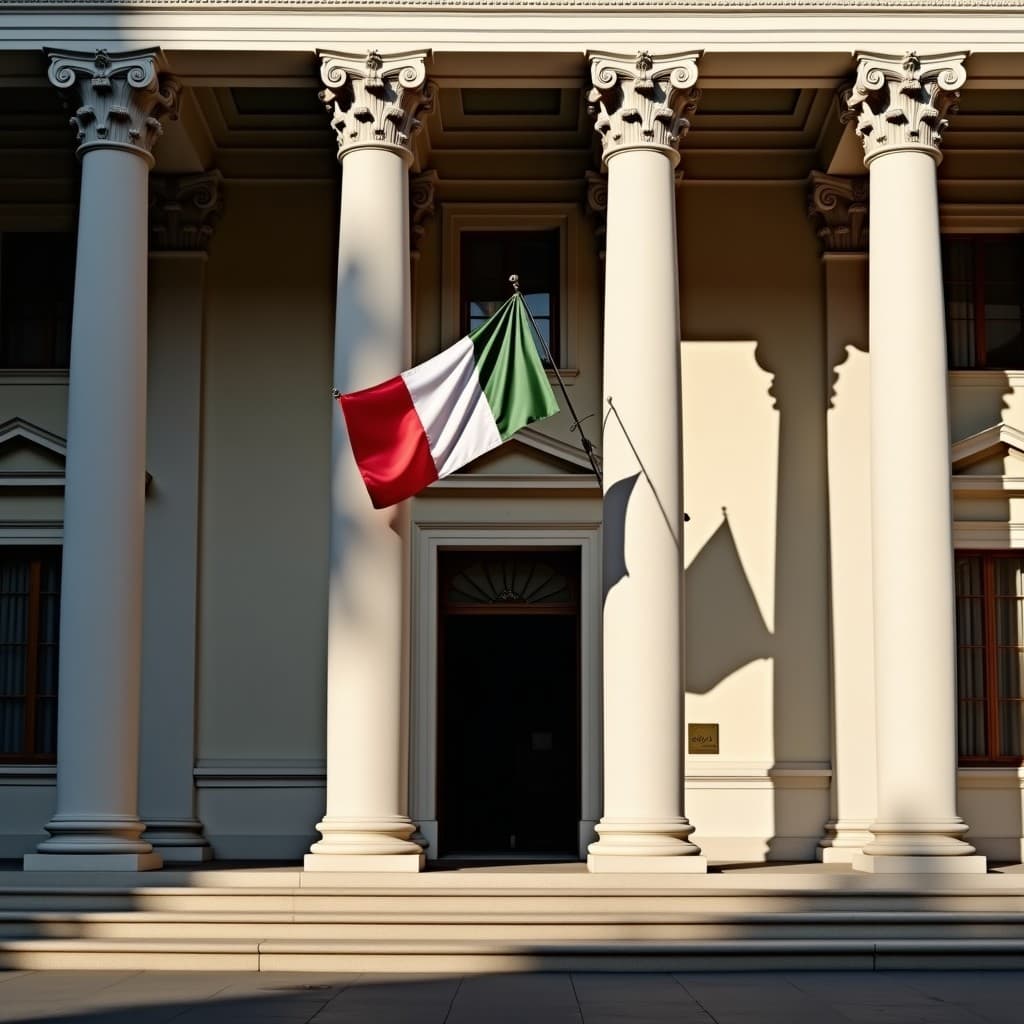
Prime Minister Giorgia Meloni has shifted from her carefully cultivated image as Trump's most reliable European ally to openly challenging the US president, according to reporting from Politico Europe and the South China Morning Post. The rupture accelerated this week after Trump claimed Meloni had 'begged' for a photograph at the G7 summit, a charge Meloni called 'made up' and 'astonishing.' In response, Italy's Foreign Minister Antonio Tajani cancelled a planned trip to the United States. The escalation reflects a collision course that Politico identified as inevitable: Italy's combination of low defense spending and a substantial trade surplus with America was always bound to clash with Trump's America First agenda.
The fracture runs deeper than diplomatic theater. According to Politico Europe, Meloni had positioned herself as a transatlanticist right-wing figure who could bridge the gap between Trump's nationalist vision and Europe's institutional order. That gambit has failed. The South China Morning Post reported that Meloni, having let Trump's earlier jibes pass, is now signaling what she calls a 'clean break,' accusing the US president of lying and of abandoning friends while cultivating enemies. Tajani's cancelled visit—reported by the BBC and the Guardian—signals that Italy is willing to absorb diplomatic cost rather than absorb further public humiliation.
For Italy's foreign policy establishment, the rupture carries material consequences. Italy remains a NATO member and a G7 power, yet Trump's trade pressure and defense-spending demands threaten both the eurozone economy and Italy's strategic autonomy within the alliance. Meloni must now manage a coalition increasingly fractured by competing visions of European independence, while the Trump administration pursues bilateral leverage over multilateral commitment. The transatlantic consensus that underpinned Italian security and trade policy for nearly eight decades is visibly eroding.
The timing of the breach matters. Politico Europe noted that Meloni had traded for years on the idea that she understood Trump in ways other European leaders did not—that her right-wing credentials and nationalist rhetoric made her a natural interlocutor. That claim has collapsed under the weight of Trump's public ridicule and Meloni's refusal to absorb further humiliation. The South China Morning Post observed that unlike Spanish Socialist Pedro Sánchez, who has made political capital of being berated by Trump, Meloni chose confrontation instead. By publicly telling Trump to 'focus on your own popularity,' as the BBC reported, she has signaled to her domestic coalition that she will not be treated as a supplicant.
The EU's hardened migration policy—approved by the European Parliament on June 17 according to Reuters, allowing member states to establish offshore detention centres—adds another layer to the Italy-US tension. Italy has long borne the Mediterranean migration burden; any offshore detention framework will reshape Trieste and the southern frontier. Trump's trade threats compound the pressure. With defense spending already a contentious issue within the NATO alliance, Italy faces pressure to increase military expenditure while managing a trade deficit with the US that Trump has signaled he intends to narrow through tariffs and reciprocal arrangements.
Meloni's coalition, already strained by the rise of General Roberto Vannacci's far-right National Future party, now faces a second fracture: whether to pursue strategic autonomy from Washington or to repair relations by conceding ground on defense and trade. Politico Europe reported that Vannacci is rapidly gathering support and attracting defectors from the governing coalition. A weakened Meloni, isolated from the US and pressured by a resurgent far right, may find her room for maneuver increasingly constrained as Italy approaches the 2027 election.