
CALABRIA
Trump's America First agenda collides with Meloni's Italy
Trade surplus and defense spending fuel friction as transatlantic rift deepens
Saverio Gallo425 wordsEdition №25Wednesday, 24 June 2026 — Edition № 25
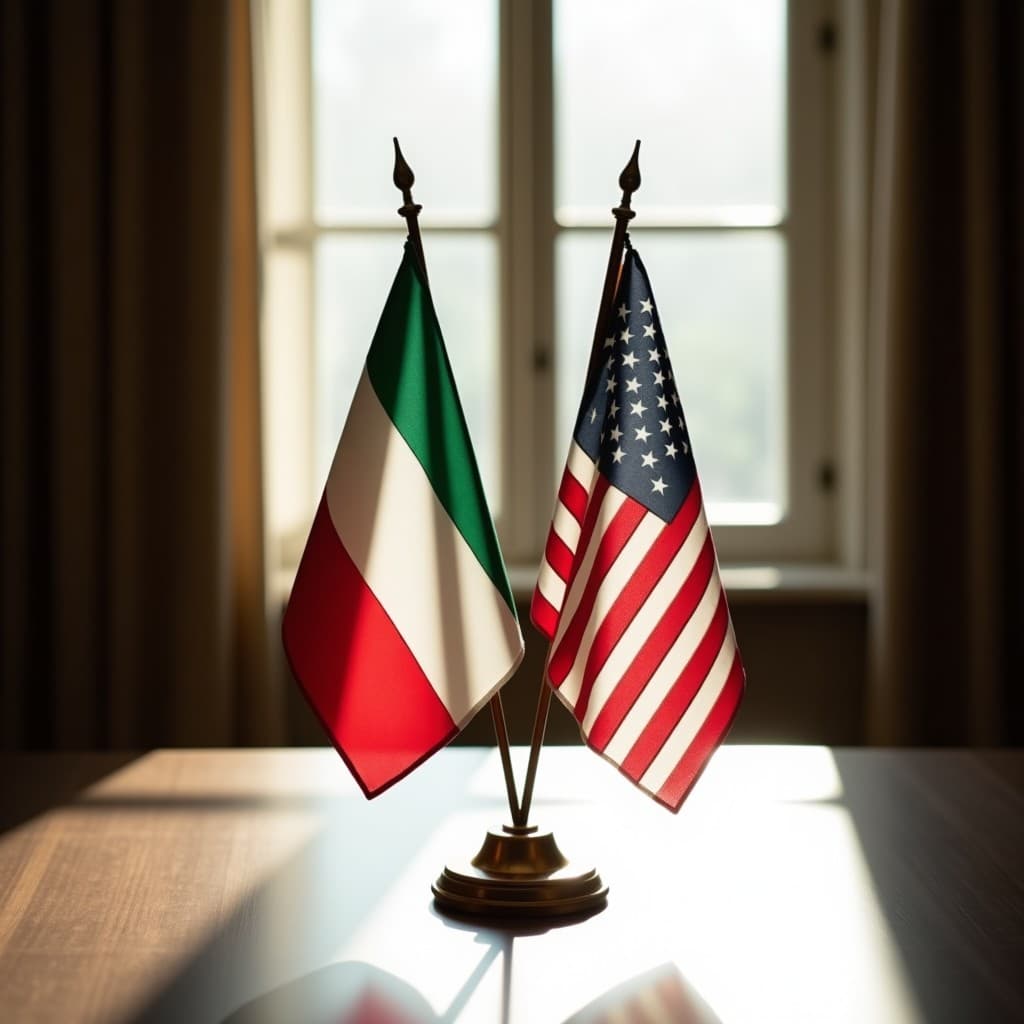
U.S. President Donald Trump's America First agenda was always bound to clash with Italian Prime Minister Giorgia Meloni, according to Politico Europe. Although Meloni has traded for years on the idea that she was Trump's most natural European ally, Italy's economic structure—a low defense spender with a trade surplus with America—creates inherent friction with Trump's transactional approach to alliances. The collision, which foreign media has documented intensifying in recent weeks, reflects a broader realignment in transatlantic relations that threatens Italy's carefully calibrated position.
Italy's trade relationship with the United States has become a focal point of Trump's bilateral negotiations. The Italian government, like other European capitals, faces pressure to increase defense spending while simultaneously protecting domestic industries from American tariffs and trade demands. For Calabria, a region dependent on agricultural exports—citrus and bergamot chief among them—and on port-based logistics, shifts in U.S. trade policy carry direct economic consequences.
The rupture between Meloni and Trump, covered extensively by Politico and other international outlets, signals that ideological alignment on the right does not insulate Italy from America's economic nationalism. Rome's diplomatic efforts to position itself as a bridge between Trump and Europe have yielded limited returns, leaving Italian policymakers to navigate a relationship that is increasingly adversarial despite shared conservative credentials.
Politico Europe's analysis notes that Meloni's transatlantic strategy was premised on the assumption that her right-wing credentials and anti-establishment positioning would earn her favor with Trump. That assumption has proven naive. Trump's trade demands, his skepticism of NATO burden-sharing and his America First framing have created pressure points that transcend ideological affinity. Italy's low defense spending relative to GDP and its trade surplus with the United States are structural facts that no amount of political alignment can overcome.
For Calabria's agricultural sector, American trade policy carries concrete weight. Citrus exports to the United States, a significant market for Calabrian producers, could face tariffs or retaliatory measures if broader U.S.-Italy trade tensions escalate. The region's ports, particularly Gioia Tauro, are nodes in global supply chains that depend on stable transatlantic commerce. Uncertainty about trade relationships adds to the chronic underinvestment and structural challenges that characterize southern Italian development.
The broader European context, as covered by Deutsche Welle and other outlets, is one of fragmentation. Trump's bilateral approach to trade and security has encouraged individual European capitals to negotiate separately, weakening collective European leverage. Italy's position as a G7 member and NATO ally provides some insulation, but only so long as Rome acquiesces to American demands. The Meloni government's early attempts to position itself as Trump's favored European interlocutor have given way to a more defensive posture, with Rome now focused on damage limitation rather than strategic partnership.