
ABRUZZO
Deaths of Migrant Farmworkers in Italy Expose Exploitation in Agricultural Labor
Four workers burned alive in minivan; arrests highlight systemic abuse in southern European farming that extends to Abruzzo's rural economy
Marco Di Sante1,456 wordsEdition №5Friday, 5 June 2026 — Edition № 5
Italian police have arrested two Pakistani nationals in connection with the deaths of four migrant farmworkers discovered burned alive in a minivan, according to reporting from the Hindustan Times. The dead included three Afghans and one Pakistani, all employed in agriculture. The discovery has drawn international attention to the exploitation and violence that characterize undocumented labor in Italy's farming sector, a system that extends into Abruzzo's rural economy and the agricultural valleys that surround the Apennine highlands.
The circumstances of the workers' deaths remain under investigation, but the crime points to deeper patterns of abuse, debt bondage, and labor trafficking that foreign observers have documented across southern Europe. Agricultural work in Italy, particularly in regions dependent on seasonal labor, relies heavily on migrants with precarious legal status who are vulnerable to wage theft, unsafe working conditions, and violence. The Hindustan Times report indicates that the arrested individuals may have been involved in labor trafficking or exploitation schemes.
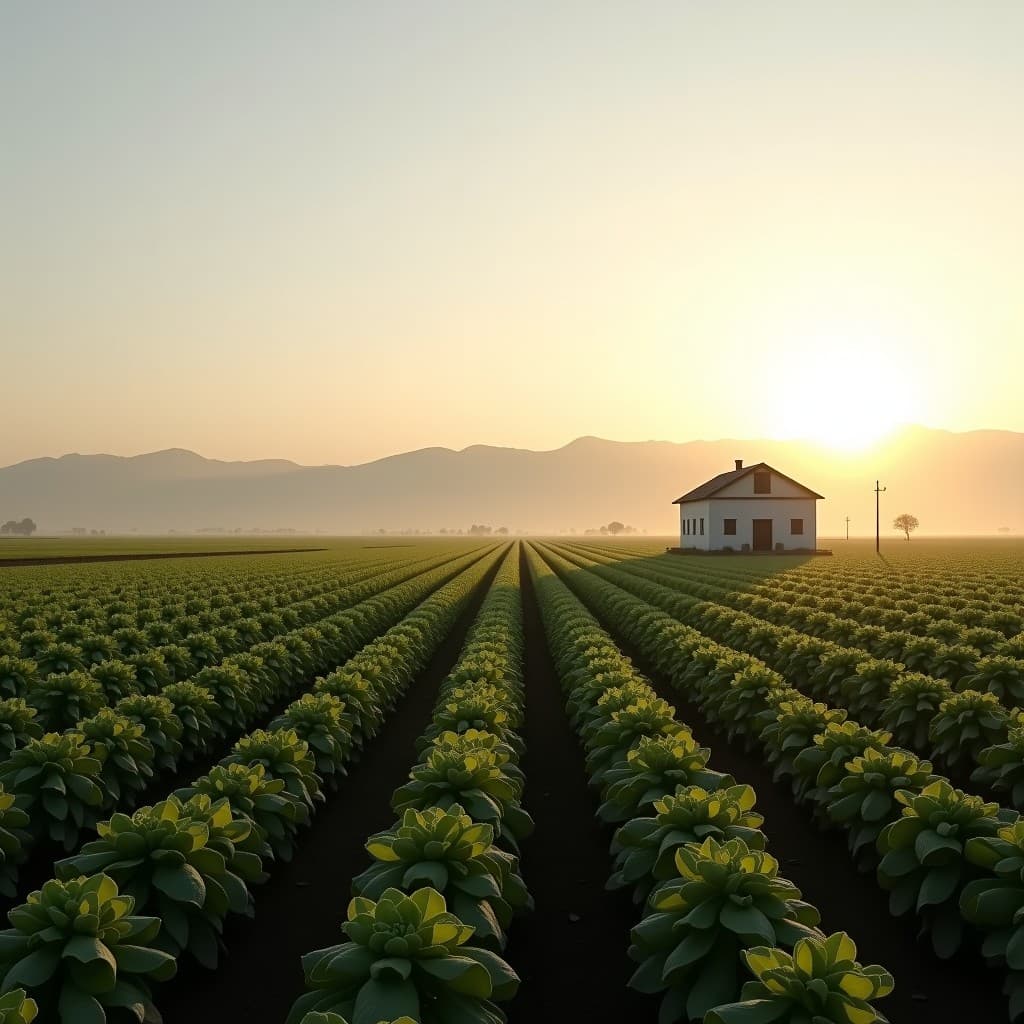
Abruzzo's agricultural sector, concentrated in the lowland areas and coastal plains, depends significantly on migrant labor for harvesting and processing. The region produces vegetables, grains, and wine, and employs thousands of seasonal workers, many of them undocumented. The conditions these workers face—long hours, low pay, inadequate housing, and isolation—mirror those documented in other parts of Italy and across the Mediterranean agricultural belt. The deaths of four workers in a minivan represent an extreme but not anomalous outcome of a system that treats migrant labor as disposable.
The Hindustan Times reported the arrests and the identities of the deceased without providing extensive detail about the circumstances of their deaths or the specific charges against the arrested individuals. The report noted that the workers were employed in agriculture, a sector known across Europe for its reliance on undocumented and semi-documented migrant labor. The crime has prompted calls from humanitarian organizations and labor advocates for stronger protections and enforcement of labor standards.
International labor organizations, including the International Labour Organization and various European human rights groups, have long documented abuse in European agriculture. Migrant workers, particularly those without legal status or with temporary visas, face systematic exploitation: wages below legal minimums, deductions for housing and food that leave them in debt, threats of deportation, and physical confinement. The system persists because demand for cheap labor is high, enforcement is weak, and workers have limited recourse to legal protection.
Italy's agricultural sector has been scrutinized repeatedly by foreign media and human rights bodies. The Guardian and other British outlets have reported on labor trafficking networks that move workers from Eastern Europe, South Asia, and Africa into Italian farms. These reports have highlighted the role of labor brokers, the complicity of some employers, and the failure of Italian authorities to investigate and prosecute trafficking cases systematically. The deaths in the minivan represent a moment when the hidden violence of agricultural labor becomes impossible to ignore.
Abruzzo's role in this system is significant but often overlooked in international coverage. The region's agricultural output depends on migrant workers, yet local enforcement of labor standards is minimal. The regional government and local authorities have limited capacity or political will to monitor working conditions on farms scattered across the lowlands. Migrant workers in Abruzzo often live in informal settlements or crowded shared housing, isolated from urban centers where they might access legal aid or report abuse.
The pharmaceutical and manufacturing sectors that dominate Abruzzo's formal economy have attracted more international scrutiny and investment than agriculture, which remains a lower-profile, lower-wage sector. Yet agriculture employs thousands and generates significant economic value. The reliance on migrant labor allows farmers to keep costs low and remain competitive in European markets, but it creates a shadow labor market where exploitation flourishes and workers have minimal protection.
The arrest of two Pakistani nationals raises questions about labor trafficking networks and the movement of workers across borders. South Asian migrants have become increasingly visible in European agriculture over the past decade, according to reports from organizations like the International Organization for Migration. These workers often arrive through brokers who promise employment and housing, only to find themselves in debt bondage and unable to leave. The minivan deaths suggest that some workers may have attempted to escape or resist their conditions.
Foreign media coverage of labor trafficking in Italy has emphasized the role of organized crime in some cases, though much exploitation occurs through informal networks and individual employers. The distinction matters: organized trafficking rings are prosecuted as serious crimes, while everyday labor abuse often goes unpunished because workers lack documentation, fear deportation, or distrust authorities. The Hindustan Times report does not specify whether the arrested individuals were part of a larger trafficking operation or acting independently.
The deaths also raise questions about transportation and working conditions. Migrant farmworkers in Italy are often transported in overcrowded vehicles to and from fields, sometimes traveling long distances daily. These journeys are frequently unsafe, with vehicles in poor condition and drivers under pressure to move workers quickly. The minivan in which the four workers died may have been involved in such routine transportation, or it may have been used to confine workers or move them against their will.
Abruzzo's regional authorities have not been prominent in international coverage of labor exploitation, but the region's agricultural sector faces the same pressures and vulnerabilities as other parts of southern Italy. The regional government has limited resources for labor inspection and enforcement. NGOs and labor organizations operating in Abruzzo report that migrant workers in agriculture face significant barriers to reporting abuse: language barriers, fear of deportation, isolation, and lack of knowledge about their rights.
The crime has prompted renewed calls from humanitarian organizations for stronger Italian and European enforcement of labor standards and anti-trafficking measures. The European Union has funded anti-trafficking initiatives and labor inspection programs, but implementation remains inconsistent across member states. Italy has been criticized by the EU and international bodies for inadequate enforcement and for failing to prosecute labor trafficking cases with sufficient vigor.
The deaths of four workers in a minivan represent a moment when the structural violence of agricultural labor becomes visible and undeniable. Yet the system that produced these deaths—the demand for cheap labor, the vulnerability of undocumented migrants, the weakness of enforcement—remains largely intact. Abruzzo, like other agricultural regions in Europe, will continue to depend on migrant labor as long as the economic incentives for exploitation outweigh the risks of prosecution.
Foreign observers have noted that addressing labor trafficking and exploitation requires action at multiple levels: stronger enforcement by national authorities, EU-wide labor standards and monitoring, international cooperation on border security and worker protection, and pressure on employers and retailers to verify labor practices in their supply chains. Progress has been slow, and the deaths in the minivan underscore the urgency of change. Yet in Abruzzo and across rural Italy, the conditions that enable such crimes persist largely unchanged.