
CALABRIA
Four farmworkers burned alive in minivan; arrests made
Deaths expose the vulnerability of migrant labour in Calabrian agriculture as Pakistani nationals detained
Saverio Gallo1,247 wordsEdition №4Thursday, 4 June 2026 — Edition № 4
Italian police have arrested two Pakistani nationals in connection with the deaths of four migrant farmworkers discovered burned alive in a minivan, according to the Hindustan Times. The victims—three Afghans and one Pakistani—were all employed in agriculture. The discovery has drawn international attention to the conditions facing migrant labour in Italy's southern regions, where seasonal work in citrus and other crops has long relied on undocumented or precarious workers.
The case emerges as European law enforcement and migration monitors have documented the vulnerability of non-citizen farmworkers across southern Europe. Calabria, home to extensive citrus cultivation and bergamot production, has historically absorbed migrant labour during harvest seasons, often with minimal oversight of working conditions or safety protocols. The deaths underscore the risks workers face when employed through informal networks with little legal protection.
Italian authorities have not yet disclosed details of the investigation or the circumstances that led to the deaths. The arrests of the two Pakistani nationals suggest the case may involve labour trafficking, debt bondage, or workplace exploitation—patterns that international investigators have identified in agricultural supply chains across the Mediterranean.
The discovery of the four burned bodies marks a stark moment in the ongoing crisis of migrant labour exploitation in southern Italy. According to the Hindustan Times report, the victims were found in a minivan, though the exact location and date of discovery were not specified in the initial international coverage. The fact that three of the four were Afghan nationals reflects the broader migration patterns across the Mediterranean, where asylum seekers and economic migrants from Central Asia and South Asia increasingly seek work in European agriculture.
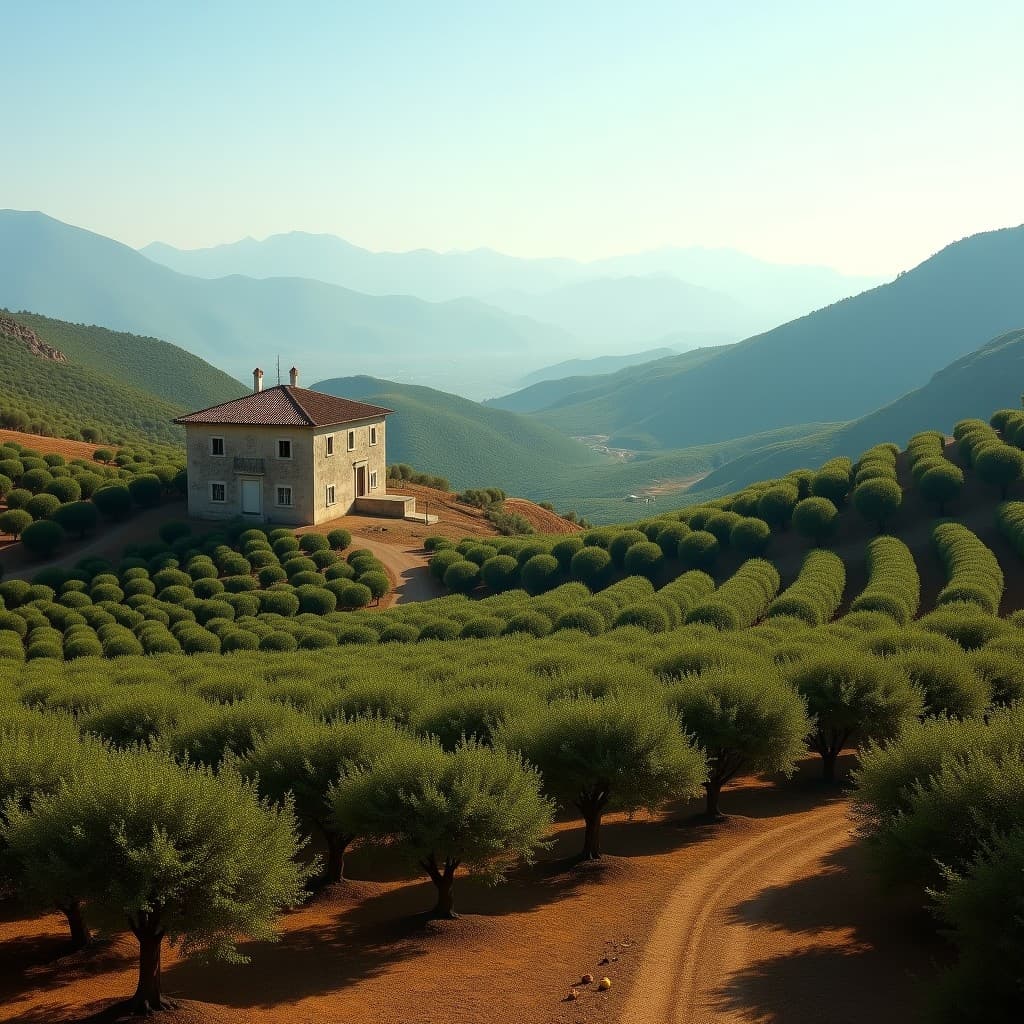
Calabria's agricultural economy depends heavily on seasonal labour. The region produces roughly 80 percent of Italy's bergamot—a citrus variety used in perfumery and food flavouring—as well as significant volumes of oranges, lemons, and other citrus fruits. These crops require intensive hand-harvesting, particularly during peak seasons from autumn through spring. For decades, the region has drawn workers from North Africa, Eastern Europe, and increasingly from South Asia, many of whom arrive with tourist visas and transition into undocumented work.
The vulnerability of these workers has been documented by international migration monitors and labour rights organisations. Workers often arrive through informal networks, incur substantial debts to smugglers or labour brokers, and find themselves bound to employers through a combination of debt, document confiscation, and isolation. Language barriers, lack of knowledge of Italian labour law, and fear of deportation create conditions in which exploitation flourishes with minimal accountability.
The arrest of two Pakistani nationals suggests the case may involve a labour trafficking network. International investigations into agricultural exploitation in southern Europe have frequently identified networks organised along ethnic or national lines, where brokers from the workers' countries of origin recruit, transport, and manage labourers abroad. The involvement of Pakistani nationals in this case may indicate such a structure, though Italian authorities have not yet disclosed details.
Calabria has witnessed previous high-profile cases of migrant worker exploitation. In 2020, international media reported on the conditions of farmworkers in the Gioia Tauro area, where migrants lived in makeshift camps and worked for subsistence wages. The region's ports—particularly Gioia Tauro, one of Europe's largest container terminals—have also been documented by international investigators as transit points for human trafficking and smuggling networks, though the focus has typically been on migrants in transit rather than those settling into local labour markets.
The case also reflects broader patterns in Mediterranean agriculture. According to reporting by international labour and migration monitors, migrant farmworkers across Italy, Spain, and Greece face systematic underemployment, wage theft, unsafe working conditions, and violence. The International Labour Organization and European migration researchers have identified agriculture as a sector with particularly high risk of forced labour and trafficking, partly because work is seasonal, dispersed across rural areas, and often informal.
The deaths raise questions about oversight and enforcement in Calabrian agriculture. While Italian labour inspectorates and police have authority to investigate workplace violations, enforcement in rural agricultural areas remains inconsistent. The scale of informal employment, the geographic dispersal of farms, and the transient nature of seasonal work create enforcement challenges. Additionally, workers' fear of deportation often prevents them from reporting abuses to authorities.
The case comes as the European Union has intensified scrutiny of labour standards in member states. The EU's proposed directive on corporate due diligence and supply chain accountability, still under negotiation, would require companies to audit labour practices in their supply chains—a measure that could affect agricultural exporters and food processors sourcing from southern Italy. International media coverage of labour exploitation in Mediterranean agriculture has also increased pressure on EU governments to strengthen enforcement.
For Calabria's agricultural sector, the case presents a reputational and regulatory risk. The region's bergamot and citrus products are marketed internationally as premium goods, with significant export value. International buyers and retailers increasingly face pressure from labour rights advocates and consumer groups to verify that products are not sourced through exploited labour. The visibility of this case in international media may prompt audits and supply chain reviews by foreign importers.
The investigation into the two arrested Pakistani nationals will likely focus on their roles in recruitment, transport, and labour management. Italian prosecutors specialising in human trafficking and labour exploitation will examine whether the deaths resulted from deliberate violence, negligence, or accident, and whether they were connected to debt enforcement, retaliation, or other criminal motives. The outcome will shape how Italian authorities approach similar cases in the agricultural sector.
International migration and labour rights organisations have called for stronger protections for migrant farmworkers across Europe. According to reports by groups monitoring Mediterranean migration, the combination of labour market informality, migration status precarity, and geographic isolation creates conditions in which workers are effectively invisible to enforcement authorities. Advocates have urged EU member states to strengthen labour inspections in agriculture, establish independent complaint mechanisms accessible to undocumented workers, and prosecute labour trafficking with the same vigour applied to other forms of trafficking.
The case also underscores the link between migration policy and labour exploitation. Workers who arrive without legal status or work permits are inherently vulnerable, as they cannot access formal employment protections or report crimes without risking deportation. Some international researchers have argued that regularisation programmes—temporary or permanent legal status for undocumented workers—could reduce exploitation by bringing workers into formal labour markets and enabling them to report abuses. Italy has experimented with such programmes, though their scope and duration have been limited.
For Calabria specifically, the case highlights the tension between the region's dependence on migrant labour and the protection of that labour. The region's agricultural economy would be difficult to sustain without seasonal workers willing to accept low wages and difficult conditions. Yet the deaths of four workers in a single incident represent a failure of the system to protect vulnerable people. How Italian authorities and agricultural employers respond to this case will signal whether the region is willing to reform labour practices or whether exploitation will continue as a structural feature of the sector.