
LOMBARDIA
Moellhausen unveils Milan production hub as fragrance sector consolidates
Italian ingredients supplier signals investment in manufacturing amid Esxence 2026 showcase
Beatrice Comolli1,358 wordsEdition №9Tuesday, 9 June 2026 — Edition № 9
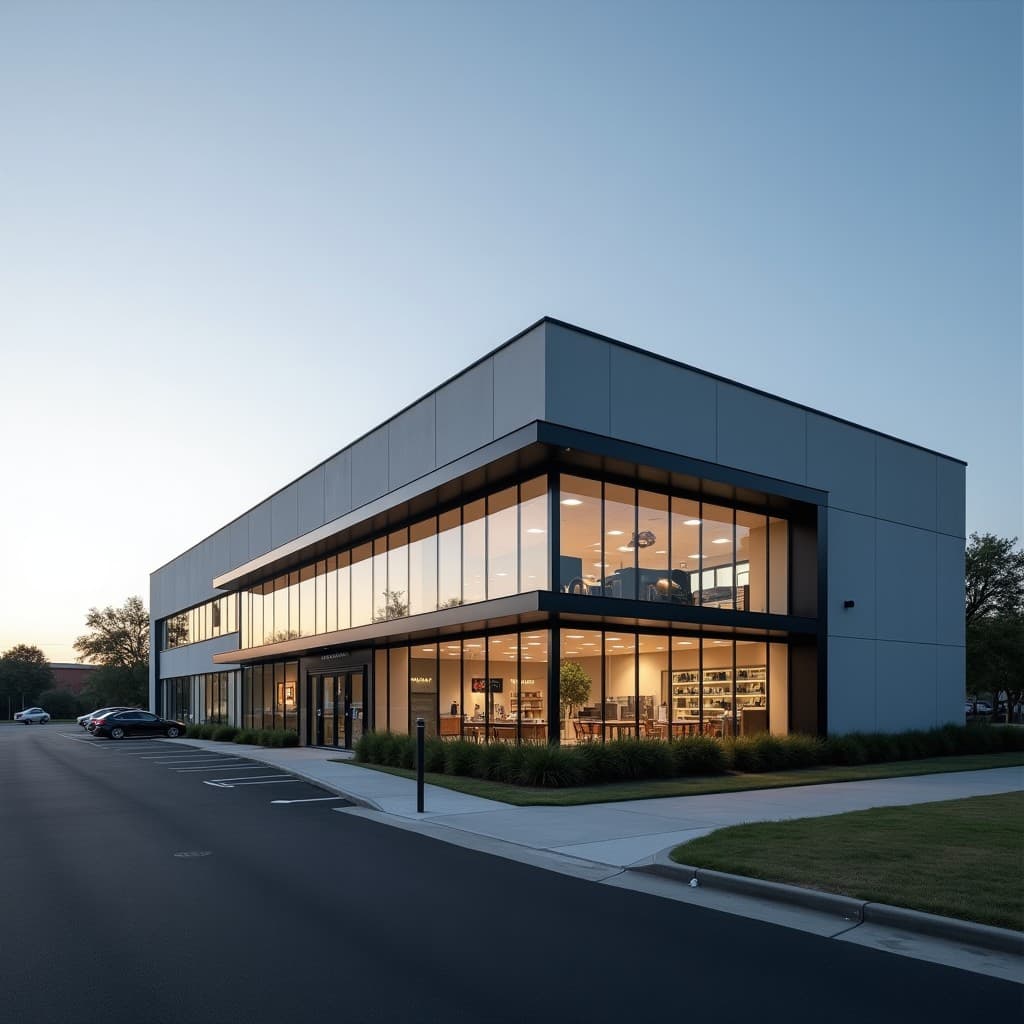
Moellhausen has unveiled a new industrial and creative hub in Milan-Caponago, according to Cosmetics Business. The Italian ingredients supplier showcased the facility at Esxence 2026, the fragrance and cosmetics trade fair held in Milan from June 3 to 6, positioning the investment as a strategic expansion of its manufacturing and research capabilities.
The Milan-Caponago hub represents a commitment to consolidate Moellhausen's operations in Lombardy, Italy's industrial heartland. Rather than relocate or fragment production across multiple sites, the company is investing in a single, integrated facility designed to house both manufacturing and creative functions—a model that reflects the increasingly blurred boundary between chemical production and design in the fragrance industry.
Moellhausen's decision to highlight the facility at Esxence signals confidence in the fragrance market's trajectory. The trade fair, held annually in Milan, draws ingredient suppliers, perfumers, and cosmetics manufacturers from across Europe and beyond. By using Esxence as a platform to announce the hub, Moellhausen is signalling to customers and competitors alike that it is investing for growth in a sector that has faced cyclical pressures.
Moellhausen is one of Italy's oldest and most respected suppliers of fragrance and cosmetics ingredients. The company, founded in the 19th century, has built its reputation on the quality and consistency of its raw materials and finished ingredients. The Milan-Caponago hub represents a modernisation of this legacy, combining traditional expertise with contemporary manufacturing standards.
The facility's location in Caponago, a municipality in the Milan metropolitan area, reflects the geography of Lombardy's chemical and pharmaceutical sectors. The region has long been a centre for specialty chemicals, pharmaceuticals, and cosmetics ingredients. Companies like Moellhausen benefit from proximity to Milan's design and fashion ecosystem, as well as access to skilled labour and established supply chains.
Esxence 2026, where Moellhausen unveiled the hub, is one of Europe's premier fragrance and cosmetics trade fairs. The event draws thousands of industry professionals, from independent perfumers to multinational cosmetics corporations. For an ingredients supplier like Moellhausen, Esxence is both a marketplace and a stage for demonstrating innovation and commitment to the sector.
The timing of the announcement reflects broader trends in the fragrance industry. Global demand for natural and sustainable ingredients has grown, driven by consumer preferences and regulatory pressures. Moellhausen's investment in a new hub may signal an intention to expand its portfolio of sustainable or naturally derived ingredients, though Cosmetics Business did not specify the facility's focus.
The Milan-Caponago hub also reflects the consolidation of the fragrance supply chain. Smaller, regional suppliers have faced pressure from larger multinational chemical companies. By investing in a modern, integrated facility, Moellhausen is positioning itself as a credible partner for mid-sized and large fragrance houses that require reliable, high-quality ingredients and the technical support to use them effectively.
For Lombardy, the investment underscores the region's continued importance as a centre for advanced manufacturing and specialty chemicals. While much attention has focused on fashion and design, Lombardy's chemical and pharmaceutical sectors remain significant employers and exporters. Companies like Moellhausen contribute to the region's reputation for quality and technical expertise.
The hub's integration of manufacturing and creative functions reflects a shift in how fragrance ingredients are developed and marketed. Historically, ingredient suppliers provided raw materials or finished components to perfumers and cosmetics manufacturers. Increasingly, suppliers like Moellhausen are offering creative services—helping customers develop new fragrance profiles or cosmetics formulations—alongside chemical production.
This shift has implications for how fragrance houses operate. Rather than employ large in-house research teams, some cosmetics and fragrance companies are outsourcing creative work to specialist suppliers. Moellhausen's new hub, by combining manufacturing with creative capabilities, positions the company to compete in this evolving market.
The facility's unveiling at Esxence also reflects the fair's role as a barometer of industry sentiment. Trade fair announcements often signal broader confidence or caution about market conditions. Moellhausen's decision to invest in new capacity, and to announce it publicly at a major industry event, suggests optimism about fragrance demand in the near term.
Cosmetics Business did not provide details about the hub's size, capital investment, or timeline for full operations. However, the fact that Moellhausen chose to showcase it at Esxence suggests the facility is either already operational or nearing completion. The company's decision to present it as a 'symbolic preview' suggests a phased approach, with different components coming online at different times.
For Milan and Lombardy, the Moellhausen investment is one of several recent announcements from specialty chemical and pharmaceutical companies. The region continues to attract investment from both Italian and foreign firms seeking to establish or expand manufacturing capacity. This reflects Lombardy's advantages: skilled labour, established supply chains, proximity to major markets, and a reputation for quality and innovation.
The fragrance and cosmetics ingredients sector is also benefiting from growing demand for personalised and niche fragrances. Small fragrance houses and indie perfumers, which have proliferated in recent years, rely on specialist ingredient suppliers for access to rare or novel materials. Moellhausen's investment in creative capabilities may reflect an intention to serve this growing segment.
Moellhausen's Milan-Caponago hub also sits within a broader context of Italian chemical and pharmaceutical companies investing in modernisation. Regulatory pressures, particularly around sustainability and traceability, are driving investment in new manufacturing technologies and systems. Companies that can demonstrate compliance with evolving standards while maintaining quality are well-positioned to win business from multinational cosmetics and fragrance houses.
The announcement comes as Esxence itself has evolved. The fair has expanded beyond traditional fragrance ingredients to include broader cosmetics and beauty categories. Moellhausen's presence at the fair, and its investment in a facility designed to serve both fragrance and cosmetics customers, reflects this broadening of the market.
For investors and industry observers, Moellhausen's investment signals confidence in the fragrance market's long-term trajectory. Despite cyclical pressures and competition from synthetic alternatives, demand for high-quality ingredients remains strong. Companies willing to invest in modern manufacturing and creative capabilities are positioning themselves to capture growth in a sector that remains central to Italian luxury and design.