
MOLISE
American exodus to Molise signals shift in Southern depopulation
As young Italians flee inland regions, foreign buyers discover affordable heartland and reverse decades of abandonment.
Antonio Petrella412 wordsEdition №31Tuesday, 30 June 2026 — Edition № 31
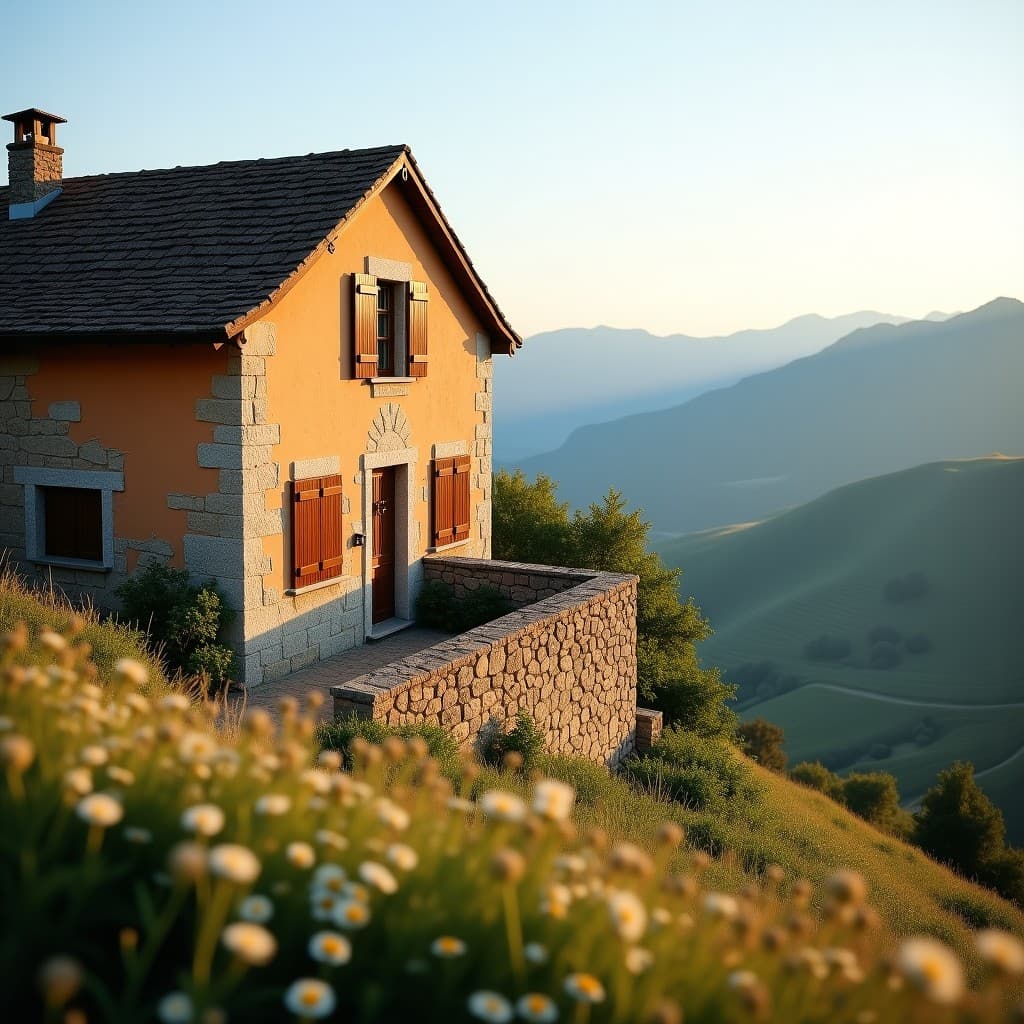
Cassandra Tresl and Alex Ninman, who left New York City to settle in Italy, represent a demographic reversal in one of Europe's most hollowed-out interiors. According to CNBC, the couple bought their house for $13,000 and have built a life there with their daughter, describing the move as a discovery of "a different way of life" they cannot imagine abandoning. The purchase price itself testifies to the collapse of rural property values across the South, where decades of youth emigration have left entire villages unsaleable at any conventional rate.
Molise, Italy's second-smallest region by population at 289,000 residents, has bled young people to the North and abroad for generations. The region's inland towns—Campobasso, Isernia, and dozens of smaller comuni—have emptied as agricultural work mechanized and opportunities concentrated in Milan, Rome, and Turin. Foreign buyers, often remote workers or retirees seeking lower costs and slower rhythms, have begun filling the void. The phenomenon appears modest in scale but carries symbolic weight: a region that has been the subject of jokes about its very existence is now attracting international settlement.
The Tresl-Ninman purchase sits within a broader pattern of rural property sales to foreigners that foreign press has begun documenting across Southern Europe. Italy's interior—particularly regions like Molise, Basilicata, and Calabria—has become a destination for Americans and Northern Europeans seeking affordable housing, remote-work flexibility, and proximity to heritage landscapes. The economics are stark: a house that would cost hundreds of thousands in an American city costs a fraction of that in Molise's depressed real-estate market, where owners often cannot find local buyers at any price.
For Molise, the implications are mixed. Foreign settlement can stabilize village populations and generate modest economic activity—restaurant meals, local services, property maintenance—that might otherwise disappear entirely. The CNBC story emphasizes the family's integration into local life, suggesting that such migrants are not merely speculative investors but genuine residents seeking community. Yet the scale remains small, and it does not address the region's structural challenges: limited employment, aging infrastructure, and the continued outflow of young people born there who seek education and careers elsewhere.
Molise's regional government has experimented with incentive schemes to attract residents—offering subsidies or property deals to reverse depopulation—but success has been limited. The arrival of foreign buyers, even at token prices, suggests that external demand may achieve what internal policy has not: a modest revaluation of the region's emptied villages as livable places. Whether this trend will deepen or remain a curiosity depends on factors beyond the region's control: the durability of remote work, currency fluctuations, and the continued appeal of rural Italy to aging or burnout-seeking populations in wealthier countries.