
MOLISE
American buyers reverse decades of Molise abandonment with $13,000 home purchase
Remote-work migrants find foothold in Italy's emptiest region as depopulation crisis meets global shift in where people work
Antonio Petrella561 wordsEdition №30Monday, 29 June 2026 — Edition № 30
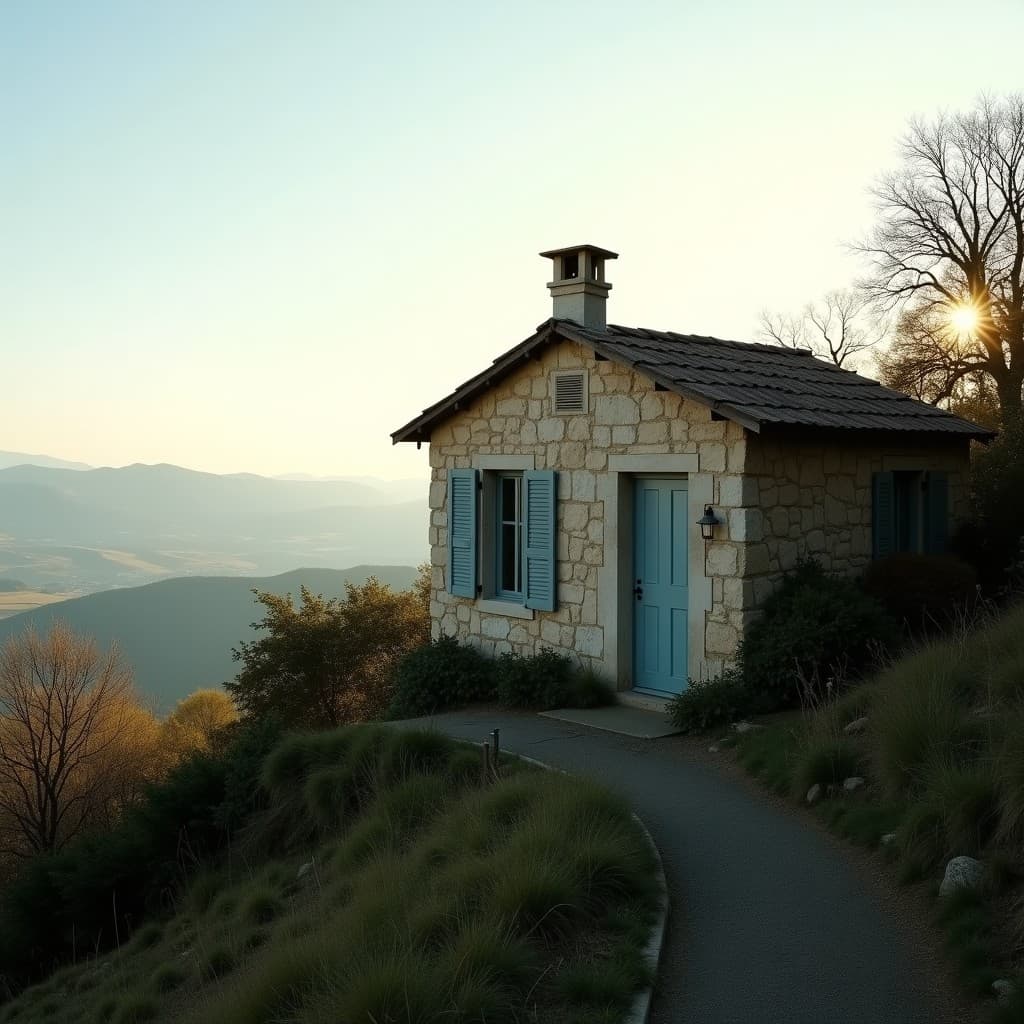
An American couple—Cassandra Tresl and her husband Alex Ninman—bought a house in Italy for $13,000 after leaving New York City, according to CNBC. In a profile published this week, Tresl described the decision as part of a search for "a different way of life" that they could not imagine abandoning. The couple, who raised their daughter outside the United States, found in Italy an alternative to the pace and cost of American urban life. Their story, while individual, signals a pattern that foreign media has begun to track: remote workers and digital nomads discovering that abandoned European villages, particularly in the economically marginal South, offer both affordability and a quality of life unavailable in expensive Western cities.
Molise has been synonymous with depopulation for half a century. The region's population has fallen from over 350,000 in the 1960s to roughly 289,000 today, with the steepest losses in the interior communes where agriculture has declined and young people have fled to Rome, Milan, or abroad. Towns in the province of Isernia have become tourist curiosities precisely because they are nearly empty—the backdrop for foreign features about Italy's abandonment crisis. The arrival of buyers like Tresl and Ninman, while still rare, represents a small reversal: people choosing to move into the emptiness rather than out of it.
The mechanism is simple: remote work has decoupled income from geography. A software engineer or consultant earning a Western salary can live on a Molise hillside for a fraction of what the same life costs in New York or London. For sellers in depopulating villages, a $13,000 sale—even if it fills only one empty house among dozens—breaks a decades-long pattern of zero demand. For Molise, the question is whether this trickle becomes a flow, or remains a curiosity in the international press.
The Tresl-Ninman purchase sits at the intersection of two global trends: the collapse of rural southern Italy and the rise of location-independent work. CNBC framed their story as a lifestyle choice—escape from American urbanism, discovery of a slower rhythm, a place to raise a child differently. But it is also an economic story. Molise's interior has few jobs that pay local wages; remote work makes the region viable for people earning global salaries. The couple's daughter, Tresl noted, was not born in the U.S., suggesting they had already begun their geographic escape before settling on Italy.
Foreign media has tracked similar purchases in Abruzzo and Sicily, where depressed property markets and EU cohesion funding have combined to attract remote workers and retirees from wealthier nations. Molise has been slower to enter this narrative—the region's near-invisibility in international coverage has been a running joke—but the Tresl-Ninman purchase suggests the pattern is reaching even Molise's remotest communes. The question for the region's future is whether individual purchases by foreigners can reverse the structural forces that have driven out Italians: the lack of schools, hospitals, jobs, and services that make young families choose to leave.
For now, the story remains one of individual choice rather than systemic reversal. But it marks a shift in how the international press frames Molise: no longer purely as a place people abandon, but as a place some people—with the freedom to work anywhere—choose to inhabit. Whether that choice scales into a demographic reversal or remains a footnote in the history of remote work will depend on whether more remote workers follow, and whether Molise's communes can provide the infrastructure—internet, basic services, community—that even location-independent workers require.