
MOLISE
American families discover Molise's €13,000 houses as villages seek new life
Depopulation crisis meets diaspora reversal as remote southern region attracts foreign buyers fleeing costly cities
Antonio Petrella545 wordsEdition №34Friday, 3 July 2026 — Edition № 34
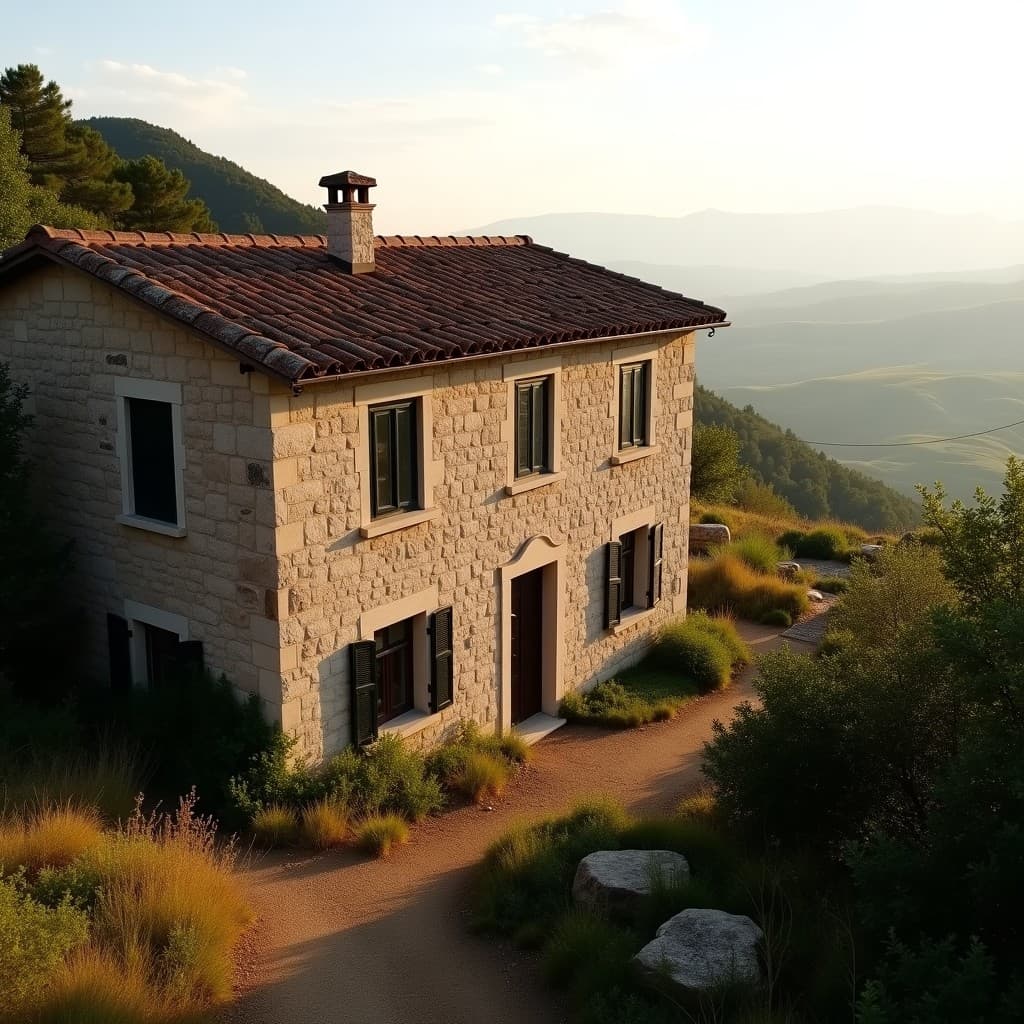
The story of Cassandra Tresl and her husband Alex Ninman, who left the United States to buy a home in a remote part of Italy for about $13,000, has circulated across American media this week. CNBC and the New York Post both reported the family's decision to leave the financial pressure of New York City behind, framing their move as a search for a different way of life. The couple, who had their daughter in 2020, concluded that homeownership and family stability were impossible in the American housing market and chose instead to settle in southern Italy.
The region they selected—though neither outlet named it explicitly—sits at the heart of Molise's depopulation crisis. For four decades, the region has lost young people to migration northward and abroad, leaving villages with aging populations and crumbling infrastructure. The €13,000 price tag reflects not a bargain but a catastrophe: entire neighborhoods of abandoned properties, some offered to buyers for as little as one euro, in communes where schools have closed and services have vanished. The fact that an American family found Molise attractive enough to relocate there marks a rare reversal in a region where emigration has been the defining story.
According to CNBC, Tresl said she and her husband 'found a different way of life' and could not imagine returning to the United States in the coming years. The narrative resonates with a broader pattern: as housing costs in major Western cities have become prohibitive, rural European regions with depopulated housing stocks have begun attracting foreign buyers seeking affordable homeownership. The Tresl family's move is not isolated; similar stories have emerged from across southern Italy and the Balkans, where villages have launched aggressive 'pay-to-move' schemes to arrest population collapse.
For Molise, the attention cuts both ways. International coverage of cheap house purchases in rural Italy has occasionally drawn tourism and curiosity, yet it also underscores the region's invisibility within Italy itself. Molise remains absent from major Italian investment and policy discussions; the national government's focus on northern manufacturing hubs and southern crime has left the agricultural heartland of the interior largely untouched by development funds. The American family's relocation story, picked up by major U.S. outlets, paradoxically gives Molise more visibility abroad than it receives at home.
What remains unclear from the international coverage is whether such individual relocations can reverse structural decline. A single American family buying a house does not restore schools, hospitals, or employment. Molise's villages need sustained investment in services, agricultural modernization, and digital infrastructure—not merely foreign buyers seeking escape from expensive cities. The region's challenge is not attracting individual families but building an economy that can retain them and their children. Until then, Molise's depopulation will continue, interrupted only by occasional headlines about bargain real estate.