
MOLISE
Molise faces prolonged heat stress as farming struggles in record temperatures
Study shows Italy experiencing up to two extra months of heat stress yearly; southern region's agriculture bears the brunt
Antonio Petrella687 wordsEdition №27Friday, 26 June 2026 — Edition № 27
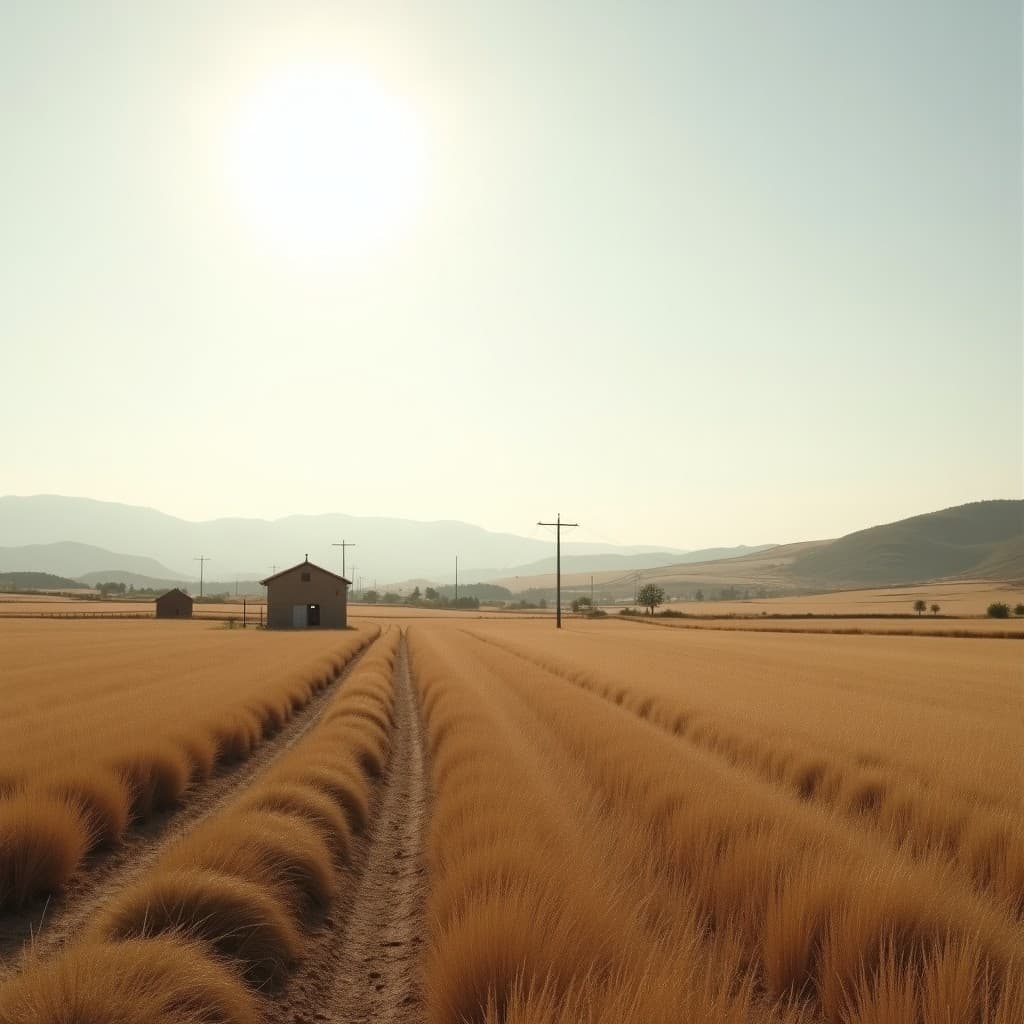
Molise is bracing for what researchers describe as a structural shift in European heat patterns. According to AP News, Mexico, Kenya, Italy and other nations around the world are experiencing one to two more months of heat stress than they were several decades ago, a change that compounds the challenges facing a region already defined by rural depopulation and climate vulnerability. The study, released this week, measures the extension of periods when temperatures and humidity combine to create dangerous conditions for human labour and crop survival.
For Molise's small farming communities—already thinned by decades of emigration—the finding arrives as the current heatwave sets records. The Local Italy reported on Thursday that Italy is on course for its longest-ever heatwave, with red alerts now covering 17 cities. In Molise's interior, where transhumance routes and small cereal holdings form the backbone of what remains of the rural economy, such prolonged heat stress translates into irrigation strain, crop failure risk, and the acceleration of farm abandonment that has emptied villages across the region.
The study's timeframe is stark: a calendar month of additional heat stress represents not merely discomfort but a fundamental reshaping of what agriculture is possible in the South. Molise's position—inland, continental, far from the cooling influence of the coast—makes it acutely vulnerable to the continental shift the research documents. For a region whose survival has long hinged on farming and whose young have already fled to the North or abroad, the prospect of structural heat extension darkens the arithmetic of staying.
The research places Italy among the world's regions experiencing the sharpest increase in heat stress duration. AP News cited the study as covering multiple nations, but Italy's experience mirrors that of Mexico and Kenya—places where the seasonal window for outdoor labour is contracting and where agriculture depends on increasingly marginal conditions. The Guardian's coverage of the broader European heatwave on Wednesday noted that France, Spain and Italy have been hardest hit so far, with temperatures breaking records across the continent.
Molise's agricultural sector has long operated on thin margins. Wind energy and small manufacturing have grown in recent years, but farming—particularly the cultivation of cereals and the grazing traditions tied to the tratturi, the ancient transhumance routes—remains culturally and economically central to communities that have resisted total abandonment. The extension of heat stress by a full calendar month or more does not merely increase costs; it rewrites the feasibility of certain crops and labour patterns that have persisted for generations.
The timing of this research compounds the immediate crisis. The Local Italy reported on Thursday that more than 100 million Europeans were expected to experience temperatures above 35 degrees Celsius, and deaths from heat stress continue to climb across the continent. In Italy, five more people died from heat on Wednesday alone. For Molise—a region with a thin healthcare infrastructure already strained by population loss—the combination of record current temperatures and the prospect of prolonged heat stress in future years represents a compounding emergency.
The study offers no mitigation pathway specific to regional agriculture, only the documented fact of the shift. For Molise, that shift means the calculus of farming viability tilts further away from the interior and toward abandonment or radical adaptation—irrigation infrastructure Molise cannot afford, crop substitution that erases cultural continuity, or further emigration of the young people who might otherwise tend the land.