
MOLISE
Italy's heat stress season stretches to two extra months, study finds
Molise farms face longer, more intense summer as climate pattern shifts across Mediterranean region
Antonio Petrella478 wordsEdition №30Monday, 29 June 2026 — Edition № 30
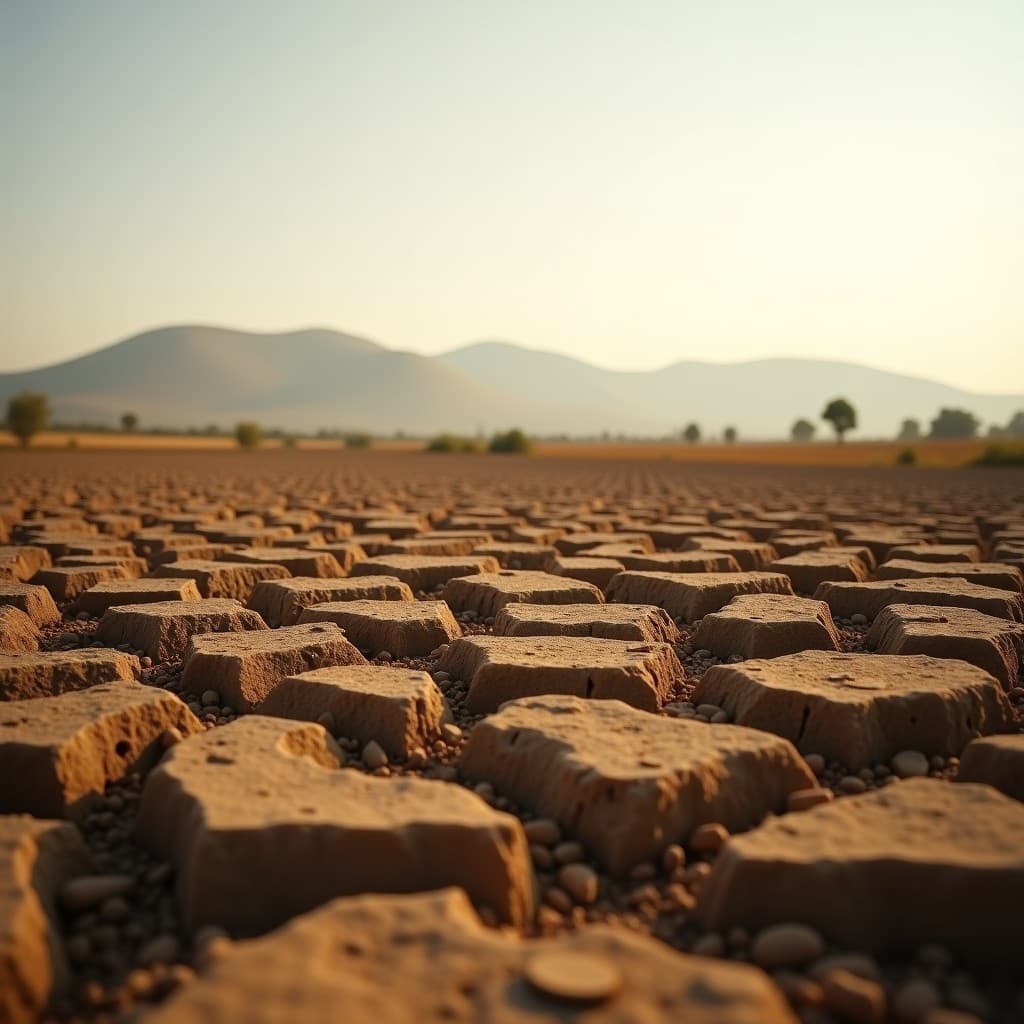
Italy is experiencing one to two more months of heat stress than it did several decades ago, according to a study released this week by AP News. The research, which compared current conditions to data from the 1970s, places Italy among nations worldwide—including Mexico and Kenya—facing a structural shift in seasonal climate patterns. The finding underscores how the heatwave currently gripping Europe is not a temporary disruption but part of a longer trend reshaping the calendar by which Mediterranean farms have always worked.
For Molise, a region where agriculture remains a backbone of the rural economy despite decades of emigration, the implication is immediate. Farmers who have relied on generations of knowledge about planting, irrigation and harvest timing now face a calendar that no longer fits the old rhythms. The extended heat stress season compresses the viable windows for certain crops and forces decisions about water management across a region already vulnerable to drought. Where transhumance—the seasonal movement of livestock along the tratturi—once followed predictable patterns, herds now navigate an unpredictable extension of summer stress into what were once cooler months.
The AP study's broader finding—that heat stress has lengthened across multiple continents—suggests this is not a local or temporary phenomenon but a systemic shift. For southern Italy's interior regions, where agriculture is already fragile and young people continue to leave for cities and abroad, the extended heat season adds another pressure to an already strained system. The longer the summer stress, the higher the water demand, the greater the risk of crop failure, and the more reason for farmers to abandon marginal land.
Molise's agricultural sector has already absorbed multiple shocks in recent years—the 2009 earthquake in nearby Abruzzo, the steady drain of young farmers to northern cities, the competition from industrial agriculture in the Po Valley. An extended heat stress season does not create a single crisis but deepens the chronic stress that has already driven depopulation in the region's interior. Small-scale farmers, who still dominate Molise's landscape, have the least flexibility to adapt: they cannot afford to drill deeper wells, cannot shift to entirely new crops, cannot wait out a season that now stretches longer than their margins allow.
The timing of the study's release coincides with the current European heatwave, which the Guardian reported this week has already set new temperature records across the continent. Germany and Italy are among the nations most affected. For Molise specifically, the heat compounds existing water stress—the region's inland areas depend on rainfall and shallow aquifers that are already strained by the pattern of longer summers. The study's implication is that this is not a crisis year but the new baseline. Farmers must adapt not to a temporary anomaly but to a permanent lengthening of the season in which crops face thermal and water stress.