
LOMBARDIA
World's Oldest Bank Draws Bidders as Italy Fights to Keep Monte dei Paschi
Banca Monte dei Paschi's 500-year history sparks international interest; Milan watches consolidation ripple through Italian finance
Beatrice Comolli1,247 wordsEdition №10Wednesday, 10 June 2026 — Edition № 10
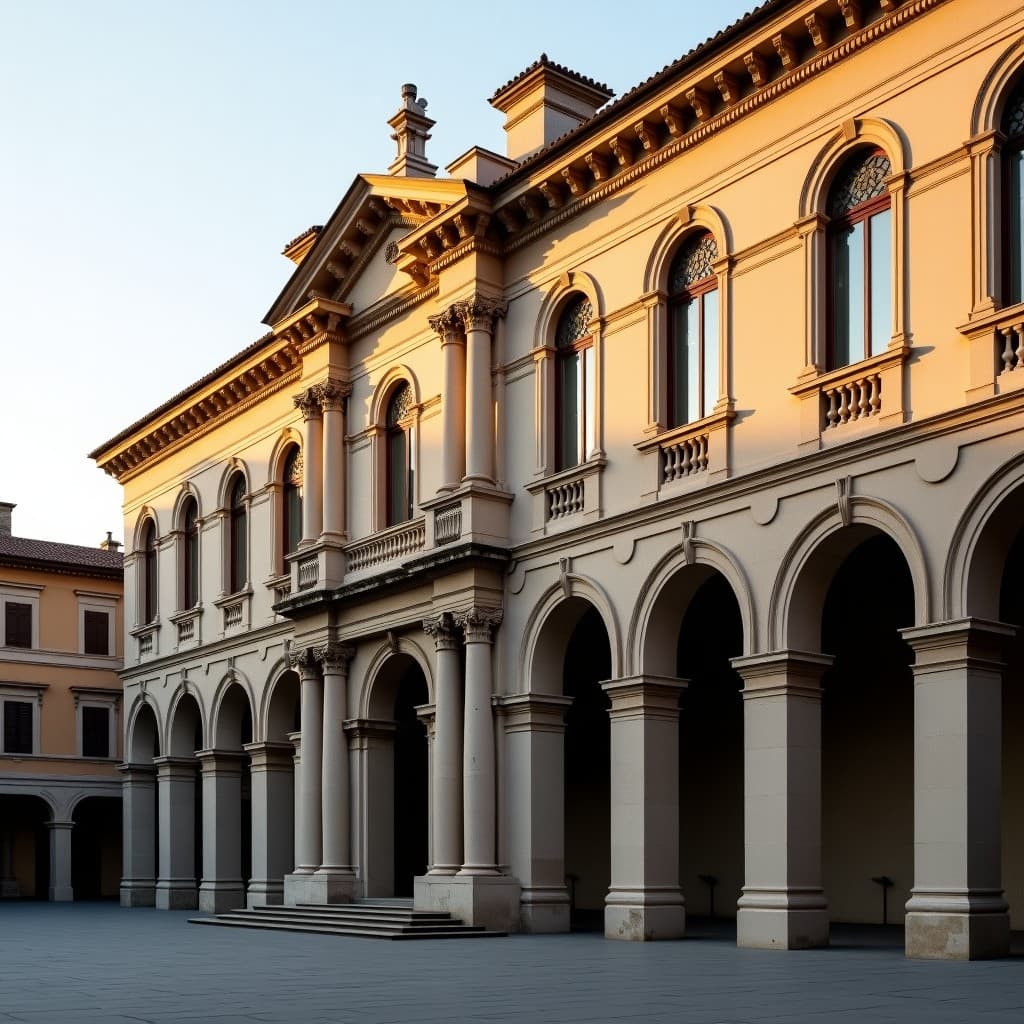
Banca Monte dei Paschi di Siena, which has operated for more than 500 years, has become the subject of competing acquisition offers, according to CBS News. Italian officials have reportedly signalled their preference that the bank remain under Italian ownership, even as foreign bidders circle the Tuscan institution. The auction reflects broader consolidation pressures across European banking and raises questions about Italy's capacity to retain control of its financial infrastructure.
The bank's history stretches to 1472, making it one of Europe's oldest surviving financial institutions. Its current situation mirrors a pattern familiar to Milan's financial establishment: the tension between preserving Italian ownership of systemically important assets and accepting the capital and operational efficiencies that foreign buyers bring. For Lombardy's banking and finance sector, the outcome carries implications for how Italian finance houses compete in an increasingly consolidated European market.
CBS News reported that some Italian officials want to ensure the bank stays in Italian hands, though the outlet did not name specific bidders or detail their offers. The absence of named contenders in the foreign press suggests negotiations remain fluid. What is clear is that Monte dei Paschi's future ownership will signal whether Italy can defend its financial autonomy or whether consolidation will continue to shift control northward into foreign hands.
Monte dei Paschi's predicament reflects a decades-long struggle. The bank required a state bailout during the 2008 financial crisis and has faced repeated restructuring. Its balance sheet has stabilised in recent years, but its size and profitability lag behind larger European competitors. For a bank of its age and cultural weight, the prospect of foreign ownership carries symbolic weight beyond the ledger.
Milan's financial press and the international banking desks that cover Italy from London and Frankfurt have long watched Italian banking consolidation with ambivalence. On one hand, mergers create scale and efficiency. On the other, they concentrate decision-making outside Italy. The Lombardy region, home to the Milan stock exchange and Italy's largest concentration of institutional investors, has a vested interest in preserving Italian-controlled financial champions that can compete for capital and talent.
The bidding war also arrives at a moment when Italian banks face headwinds. Interest rate cuts by the European Central Bank have compressed net interest margins—the spread between what banks pay depositors and charge borrowers. Foreign direct investment in Italian banking has slowed. Domestic consolidation, long resisted by regulators wary of creating too-large-to-fail institutions, may now appear inevitable to policymakers.
CBS News did not identify the bidders or their origin. International banking sources have suggested that both European and non-European financial groups have expressed interest in Italian banking assets, particularly those with historical prestige and established customer bases. Monte dei Paschi's Tuscan roots and Renaissance-era founding give it brand value that extends beyond its balance sheet.
For Milan, the stakes are institutional. Lombardy's economy depends partly on the availability of capital and the presence of decision-making power in the region. If Monte dei Paschi passes to foreign control, it joins a growing list of Italian financial institutions owned or controlled from abroad. UniCredit, Italy's largest bank, is controlled by German interests. Intesa Sanpaolo, the second-largest, remains Italian-controlled but faces constant speculation about foreign takeover bids.
The Italian government's reported preference for domestic ownership reflects a broader anxiety about financial sovereignty. Unlike manufacturing, where foreign ownership of Italian brands is often accepted as a fact of globalisation, banking is treated as a matter of state interest. Central banks and finance ministries across Europe view banking consolidation as a tool of economic policy, not merely a commercial transaction.
The timing of the Monte dei Paschi auction also matters. Italy's public debt remains among the highest in the eurozone, and the government's fiscal space is constrained. A large foreign investment in an Italian bank would bring capital inflows, which the Treasury would welcome. Yet the political cost of losing control of a 500-year-old institution to foreign buyers could be steep.
According to CBS News, the bidding process is underway, but no timeline for a decision has been made public. The foreign press has not reported the identities of the bidders or the valuations being discussed. This silence suggests either that negotiations are at an early stage or that the parties involved are keeping details confidential to avoid political pressure.
For Lombardy's financial sector, the outcome will shape the landscape of Italian banking for years. If Monte dei Paschi remains Italian-controlled, it signals that the government is willing to support domestic consolidation or to subsidise Italian ownership. If it passes to foreign hands, it reinforces a trend toward the Europeanisation of Italian finance—a shift that Milan's banks have largely accepted but that carries long-term implications for where financial decisions about Italy are made.
The broader context is European banking consolidation. The continent has far more banks per capita than the United States, and regulators have long encouraged mergers to create scale. Yet national governments have resisted cross-border consolidation that would dilute their influence over credit allocation and financial stability. Monte dei Paschi's auction sits at the intersection of these pressures.
Bloomberg and Reuters, which cover Italian banking closely, have not yet reported detailed analysis of the bidding war. The Financial Times, which maintains a Rome bureau and covers Italian finance extensively, has not published a major dispatch on the auction as of early June. This suggests that the story is still developing and that the foreign financial press is waiting for more information before committing major coverage.
For Milan's investment community, the Monte dei Paschi auction is a test case. If Italian ownership prevails, it suggests that the government and the banking regulator believe Italian banks can remain competitive without foreign ownership. If a foreign buyer wins, it confirms a trend that many in Lombardy's financial sector have already accepted: that Italian banking will increasingly be shaped by decisions made in Frankfurt, London, or beyond.