
ESTERO
U.S. warns NATO members over defense gaps as Pentagon reviews European force posture
Hegseth's tough stance on spending signals potential shifts in American military commitment to the alliance.
Adriana Sole345 wordsEdition №20Friday, 19 June 2026 — Edition № 20
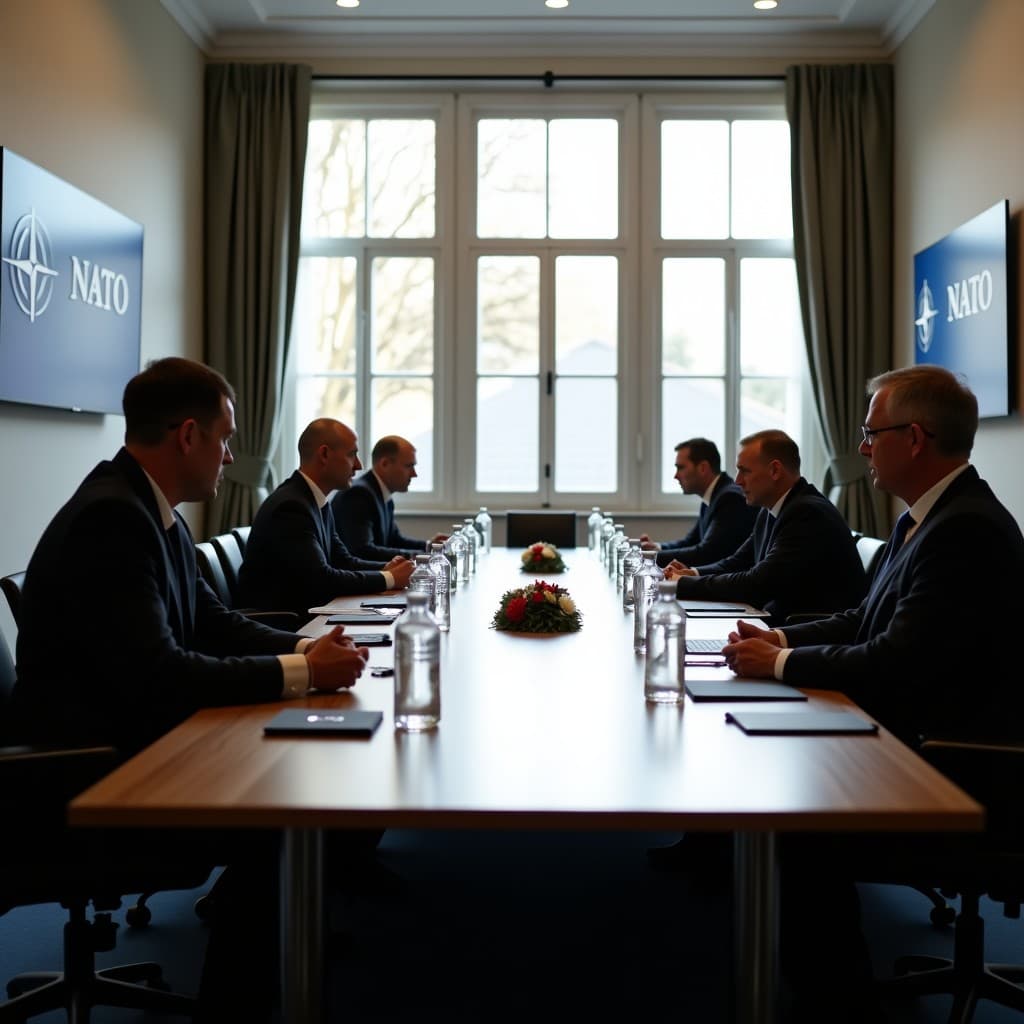
U.S. Secretary of Defense Pete Hegseth on Thursday announced a comprehensive review of U.S. military forces in Europe, signalling a tougher American stance toward NATO members over defense spending and foreign policy. According to Reuters, Hegseth made the announcement in Brussels while harshly criticising some allies over their contributions to collective defence and their positions on the Iran war, stating that the review would determine which countries "will fail, and others will pass with flying colours." The move comes as Washington seeks to reset expectations for European NATO members.
For Italy, which hosts significant U.S. military infrastructure including the Naval Support Activity Naples base and air installations in the south, the review carries direct implications for bilateral defence relations. Italy's defence spending has risen in recent years to meet NATO targets, but the Pentagon's emphasis on alignment over spending alone suggests scrutiny may extend beyond budget figures to foreign policy coherence, particularly on Iran and Middle East strategy where Italian positions have sometimes diverged from Washington's approach.
The review reflects broader American impatience with what the Trump administration views as burden-sharing imbalances within the alliance. Hegseth's framing—that some nations will "fail"—introduces a transactional language into NATO discourse that signals the Pentagon may recommend reallocating or withdrawing forces from members deemed insufficiently committed. For Rome, which depends on U.S. strategic presence in the Mediterranean, the outcome of Hegseth's assessment could reshape Italy's role in European security architecture and its leverage within both NATO and EU defence initiatives.
The timing of Hegseth's announcement reflects wider tensions within the alliance. Reuters reported that the review targets not only defence spending levels but also political alignment on key conflicts, signalling that NATO membership increasingly carries expectations beyond financial contribution. Italy, as a G7 member and strategic Mediterranean anchor, may face particular pressure to demonstrate consistency on Iran policy and broader Middle East strategy, areas where European and American positions have periodically clashed.
Hegseth's language—invoking a pass-fail framework for alliance members—departs from the consensus-building rhetoric that has traditionally governed NATO affairs. This shift may complicate Italy's balancing act between EU strategic autonomy initiatives and its long-standing security partnership with Washington. The review's outcome could influence not only the scale of U.S. military presence in Italy but also the terms on which that presence operates, including access to Italian bases for operations beyond NATO's traditional European theatre.