
PUGLIA
Olive oil industry's opacity leaves consumers adrift
Puglia's producers face credibility gap as global market struggles with mislabeling and quality standards
Francesca Lazzari1,289 wordsEdition №8Monday, 8 June 2026 — Edition № 8
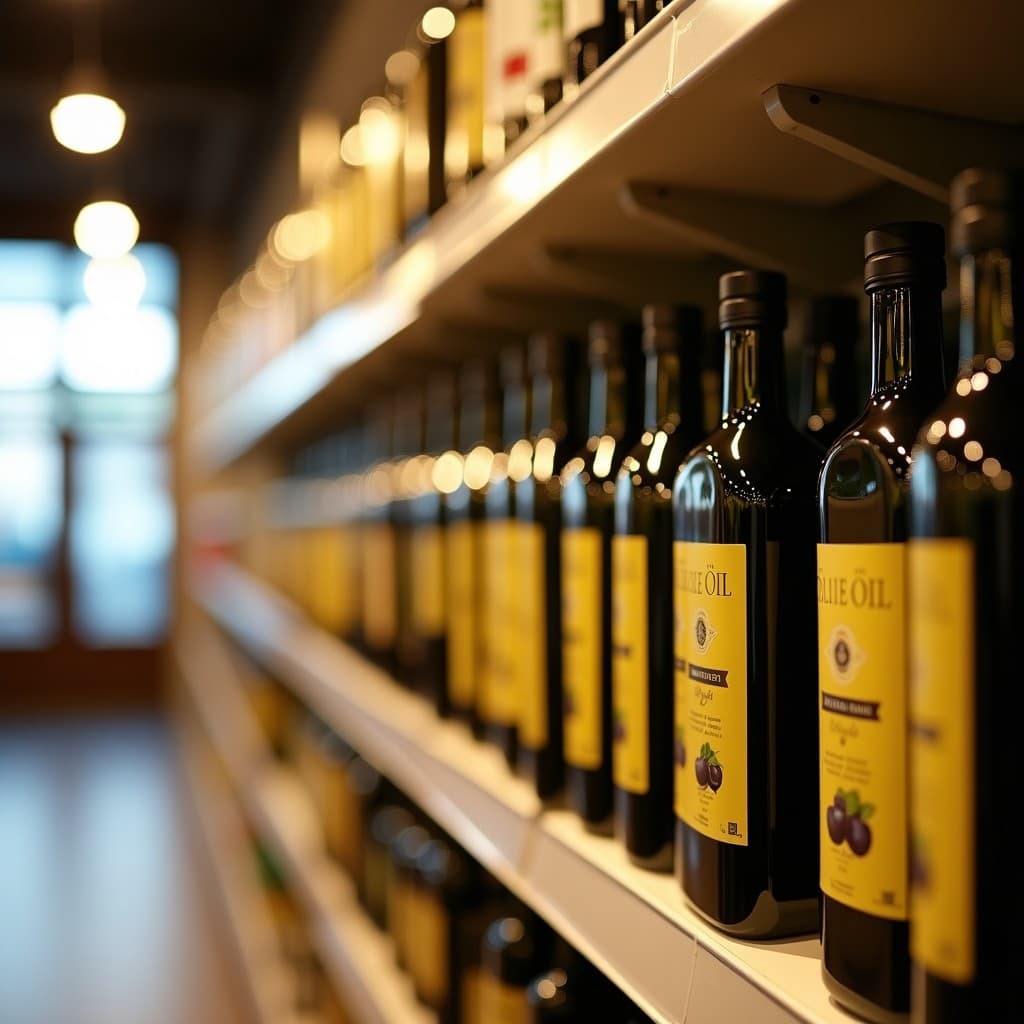
Consumers buying olive oil are making systematic mistakes—not from carelessness, but because the industry has made confusion easy, according to the Takeout's analysis of common errors. The piece identifies storage, cooking temperature, and freshness as areas where buyers go wrong, reflecting deeper problems in how olive oil is marketed and labelled globally.
For Puglia, Italy's largest olive oil producing region, the finding carries commercial weight. The region produces roughly one-third of Italy's olive oil and exports significant volumes to North America, Europe, and Asia. Yet if consumers cannot reliably identify quality or use the product correctly, producers lose the premium pricing that distinguishes high-grade oil from commodity blends.
The Takeout's focus on consumer error points to a systemic credibility problem. Olive oil is frequently mislabelled, blended with inferior oils, or stored improperly before reaching consumers. These issues erode confidence in the category and make it harder for legitimate producers—particularly in Puglia—to command the prices their product deserves.
The Takeout article does not name specific producers or regions, but its analysis of common mistakes—improper storage, using extra virgin oil for high-heat cooking, failing to check harvest dates—reflects problems that plague the global olive oil market. Consumers often cannot distinguish between oils of different quality grades, and marketing language frequently obscures rather than clarifies what they are buying.
Puglia's olive oil sector has long struggled with the gap between quality production and market perception. The region grows Coratina, Ogliarola, and other indigenous varieties prized for their complexity and nutritional profile. Yet these oils compete in markets flooded with blended, refined, and sometimes adulterated products that sell on price rather than merit.
International food media has documented olive oil fraud for years. Investigations by outlets including the BBC and Reuters have exposed how oils labelled as Italian extra virgin sometimes contain cheaper oils from Spain, Greece, or Tunisia, or have been chemically refined to mask defects. Such scandals damage the reputation of legitimate producers across the entire category.
Puglia's producers have invested in certification and traceability systems to differentiate their oils. Protected Designation of Origin (PDO) status for oils from specific areas—such as Terra di Bari—provides legal protection and quality assurance. Yet these certifications remain poorly understood by international consumers, who often cannot distinguish between PDO oils and commodity blends.
The Takeout's focus on consumer behaviour suggests that education and transparency could help. If buyers understood how to store oil (in cool, dark conditions), when to use different grades (extra virgin for finishing, refined for cooking), and how to read labels (harvest date, acidity level, origin), demand for quality oils would likely increase. This would benefit Puglia's producers directly.
Storage and freshness are particularly important for Puglia's oils. Olive oil degrades over time, especially when exposed to light and heat. A bottle sitting on a supermarket shelf under fluorescent lights for months loses flavour and nutritional value. Yet most consumers do not know this, and retailers have little incentive to educate them or rotate stock carefully.
The global olive oil market is worth roughly $15 billion annually, with Italy accounting for about 10 percent of production but a much higher share of premium-priced exports. Puglia's share of that premium market depends on consumers understanding and valuing quality. When confusion dominates, commodity producers gain at the expense of artisanal and regional producers.
Food safety and authenticity are recurring themes in international coverage of Italian agriculture. The Guardian, Reuters, and other outlets regularly report on fraud, mislabelling, and adulteration in sectors including olive oil, wine, and cheese. These stories damage Italy's reputation for quality, even when the fraud originates elsewhere or involves non-Italian producers.
Puglia has begun investing in direct-to-consumer sales and digital marketing to bypass retail intermediaries and communicate directly with buyers. Producers use websites, social media, and subscription services to tell the story of their oils—the terroir, the harvest, the production methods—in ways that supermarket shelves cannot. The Takeout's article suggests that such direct engagement, combined with consumer education, could help shift market dynamics.
The region's olive oil industry also faces climate stress. Xylella fastidiosa, a bacterium that kills olive trees, has devastated groves across Puglia since the early 2010s. International media coverage of the disease has highlighted how climate change and plant pathogens threaten Mediterranean agriculture. This adds urgency to the need for producers to maximize value from remaining healthy trees.
Puglia's producers are also experimenting with new varieties and production methods to adapt to changing conditions. Some are investing in early-harvest oils, which have higher polyphenol content and command premium prices in health-conscious markets. Others are exploring organic and biodynamic certification. Yet these innovations require consumer awareness and willingness to pay more—precisely the understanding that the Takeout suggests is currently lacking.
The international food press increasingly covers olive oil as a health product, not merely a culinary ingredient. Studies on the Mediterranean diet and its cardiovascular benefits have elevated olive oil's status in nutritional discourse. Yet this scientific credibility is undermined when consumers cannot reliably identify authentic, high-quality oils or understand how to use them to preserve their nutritional properties.
For Puglia, the path forward involves both industry action and consumer education. Producers must invest in transparency and traceability. Retailers must improve storage and labelling. And consumers must learn to read labels, check harvest dates, and store oils properly. The Takeout's article, by highlighting common mistakes, implicitly calls for this broader shift toward informed consumption—a shift that would benefit Puglia's producers significantly.