
PUGLIA
Geopolitics and heatwaves squeeze Puglia's olive oil exports
Retail supply chains feel distant shocks as Mediterranean oil faces climate and shipping pressures
Francesca Lazzari562 wordsEdition №30Monday, 29 June 2026 — Edition № 30
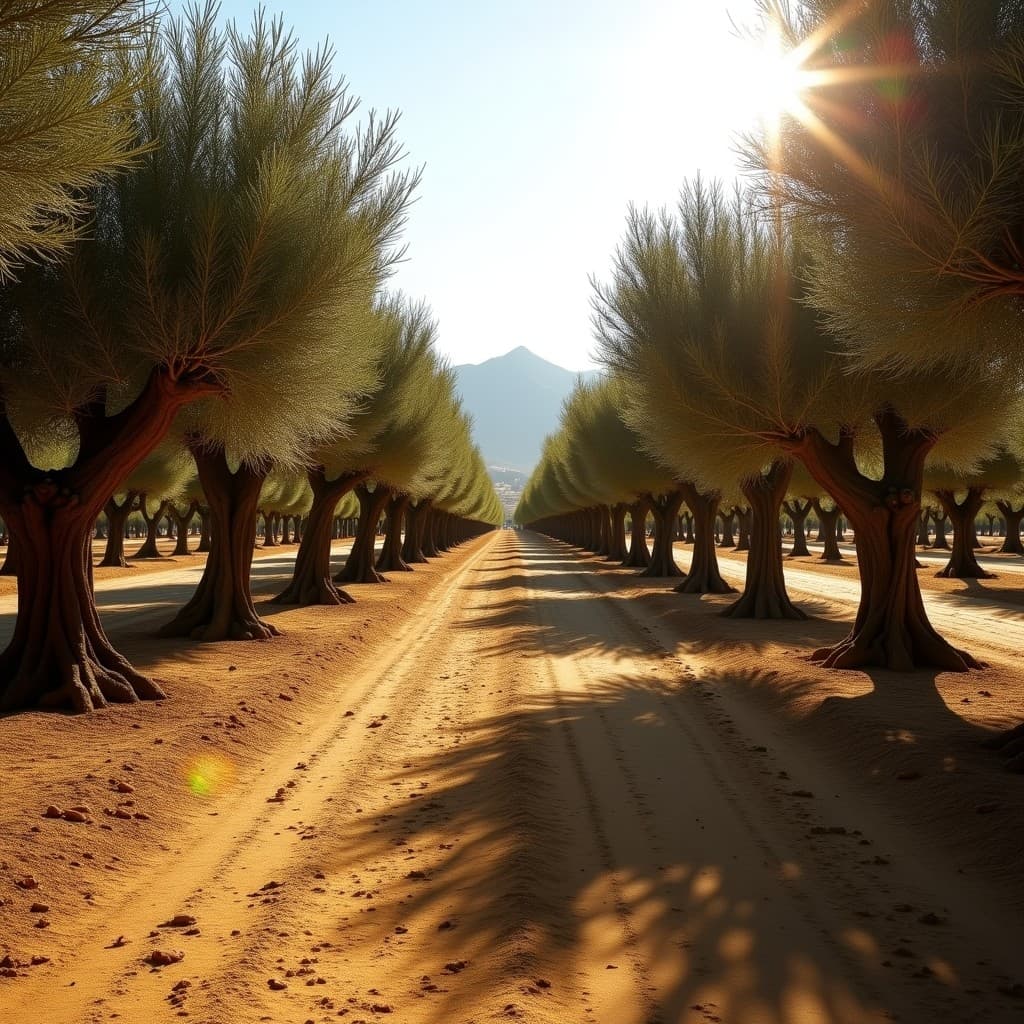
A single bottle of olive oil sitting on a supermarket shelf in northern Europe represents a complex supply chain that Puglia knows intimately: harvest, milling, bottling, transport across Mediterranean ports, and finally distribution to retailers. Retail Gazette noted this week that geopolitical events thousands of miles away can ultimately influence the price consumers pay, a reality that extends beyond distant conflicts to include the immediate climate crisis unfolding in Italy's agricultural heartland.
Puglia produces some of Europe's most significant olive oil volumes, supplying both premium and bulk oil to retailers across the continent. The region's groves have long endured xylella, a bacterial disease that has devastated older plantations, but now face an additional pressure: the heatwave. As temperatures soar beyond 35°C, water stress threatens yields, ripening patterns shift, and labour availability—already strained by migrant worker conditions documented this week—becomes critical. Simultaneously, the broader European energy and logistics crisis compounds the problem. EU Energy Commissioner Dan Jorgensen warned Friday that jet fuel supply may worsen this summer despite improving conditions in the Strait of Hormuz, a concern that ripples through transport costs for perishable food exports.
For retailers stocking olive oil, the chain of causation is opaque but real. A heatwave in Puglia reduces yield; reduced yield tightens supply; tightened supply raises prices; and geopolitical disruption in distant shipping lanes adds further pressure on transport costs. The consumer sees only the bottle, but behind it lies climate stress, labour vulnerability, disease pressure, and global energy markets—all converging on a single agricultural region that has already absorbed decades of economic restructuring and demographic loss.
Puglia's olive sector has historically been resilient, adapting to disease and market shifts. Yet the current convergence of crises—heatwave, water stress, labour scarcity, shipping uncertainty—tests that resilience in new ways. The World Health Organisation's count of over 1,300 excess deaths across Europe since the heatwave began underscores the severity of the weather event. Italy, as The Guardian reported, is among the nations sweltering under record temperatures. For an agricultural region where harvest labour is already precarious, extreme heat compounds existing vulnerabilities.
Women's Health magazine's recent coverage of olive oil's health benefits and its prominence in Mediterranean cuisine reflects global consumer appetite for the product. Yet that appetite depends on supply chains that are now visibly strained. Retail Gazette's analysis of how distant geopolitical shocks affect grocery prices applies directly to Puglia's position: the region sits at the intersection of Mediterranean agriculture, EU logistics networks, and global commodity markets. When any one of these elements fractures, the impact reverberates through European retail networks.
The immediate question for Puglia's olive producers is whether this summer's heatwave will be a temporary stress or a harbinger of a new climate regime. The Local Italy's analysis of temperature trends suggests summers in Italy really are getting hotter, with data backing up the sense that extreme weather is intensifying. For an agricultural sector already managing disease, labour scarcity, and market consolidation, adaptation to sustained heat stress will require investment in irrigation, crop selection, and worker protection—all of which carry costs that ultimately feed into the price of oil on European shelves.