
VENETO
Italy's campgrounds and holiday resorts ride 34% booking surge as families reshape summer travel
Open-air tourism climbing across peninsula as search activity surges; Veneto positioned to capture family-oriented demand
Tommaso Veronese387 wordsEdition №19Thursday, 18 June 2026 — Edition № 19
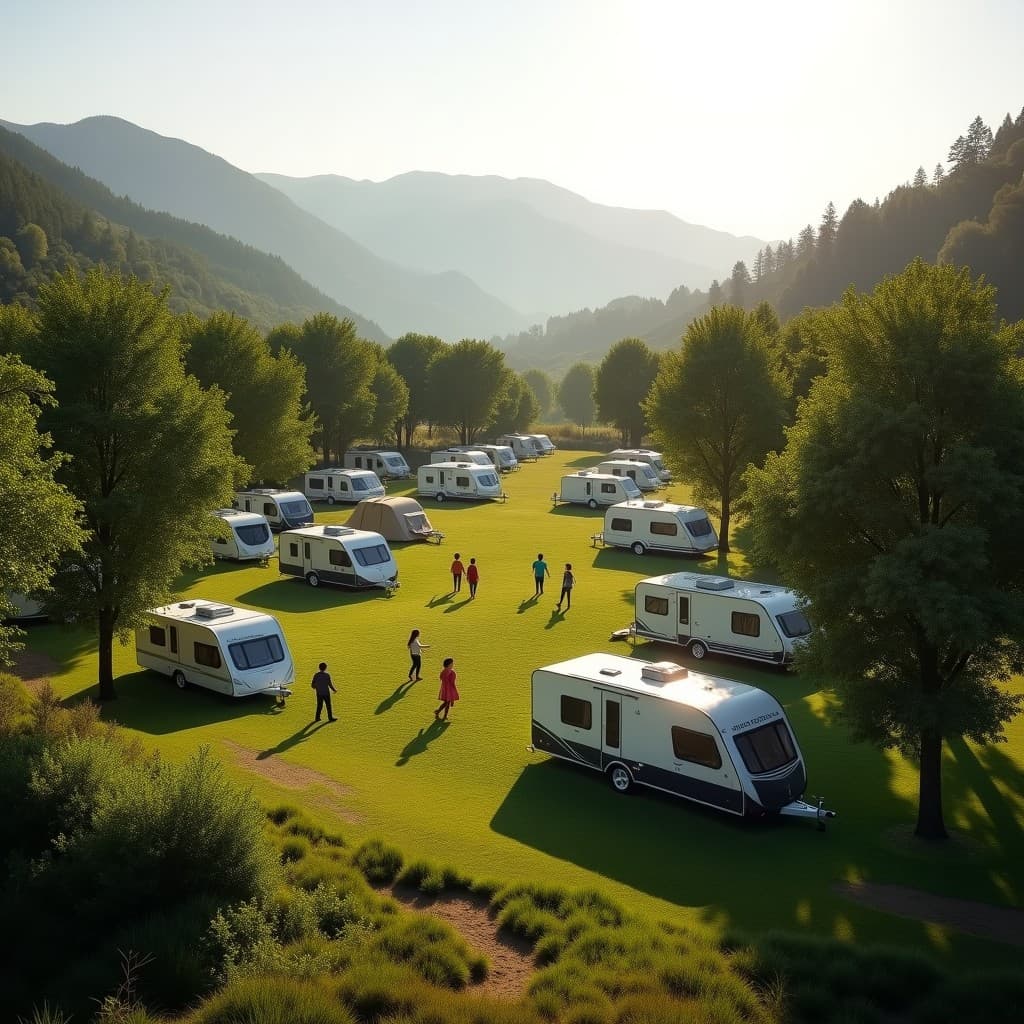
Open-air tourism across Italy is experiencing accelerating demand, with campgrounds and holiday resorts recording a significant surge in booking inquiries as families increasingly choose outdoor and semi-structured accommodation over traditional hotels. Data cited by tourism-review.com from Campeggi's 2026 Camping Report shows search activity for these establishments climbed 34 percent since 2025, signalling a sustained shift in how Italian and international visitors plan their summer holidays. The vast majority of bookings—77 percent—come from travellers with children or partners, suggesting that the growth reflects deliberate choices by family groups seeking flexibility, outdoor space and lower per-night costs.
For Veneto, a region where campgrounds and rural resort facilities dot the landscape from the Dolomites to the Adriatic coast, the trend offers a counterweight to the region's dependency on mass-market city tourism centred on Venice. Campgrounds in the Veneto hinterland—particularly in Trentino-Alto Adige's border zones and along the Asiago plateau—have long attracted Central European family tourists. The 34 percent surge in search activity suggests that this market segment is expanding, driven partly by post-pandemic preferences for outdoor space and partly by rising accommodation costs in Venice and other historic centres that push budget-conscious families toward camping and holiday-village alternatives.
The shift reflects broader patterns in European leisure travel. Campgrounds and holiday resorts offer families several advantages over urban hotels: lower nightly rates, facilities designed for children (pools, play areas, entertainment), and direct access to outdoor recreation—hiking, cycling, water activities—that appeals to the demographic currently driving the surge. In Veneto, this market segment has historically been dominated by German, Austrian and Dutch visitors, who have long traditions of family camping and who value the region's proximity to the Alps and the Adriatic.
The regional angle carries environmental implications. Dispersing visitor numbers away from Venice's congested centre and into campgrounds across the Veneto hinterland reduces pressure on the lagoon's fragile ecosystem and on the city's resident population, which has fallen below 250,000 as tourism density has risen. However, campground expansion itself carries ecological costs—land conversion, water usage, waste management—that regional authorities must manage as the sector grows. Campeggi's data suggests the trend is not temporary: the year-on-year growth rate implies sustained demand that will likely drive investment in new facilities and expansion of existing ones across the region.