
UMBRIA
Archivists pursue Welles's Don Quixote across three nations
European film consortium aims to complete director's 70-year-old passion project using footage held in Italy and beyond
Niccolò Mariani325 wordsEdition №31Tuesday, 30 June 2026 — Edition № 31
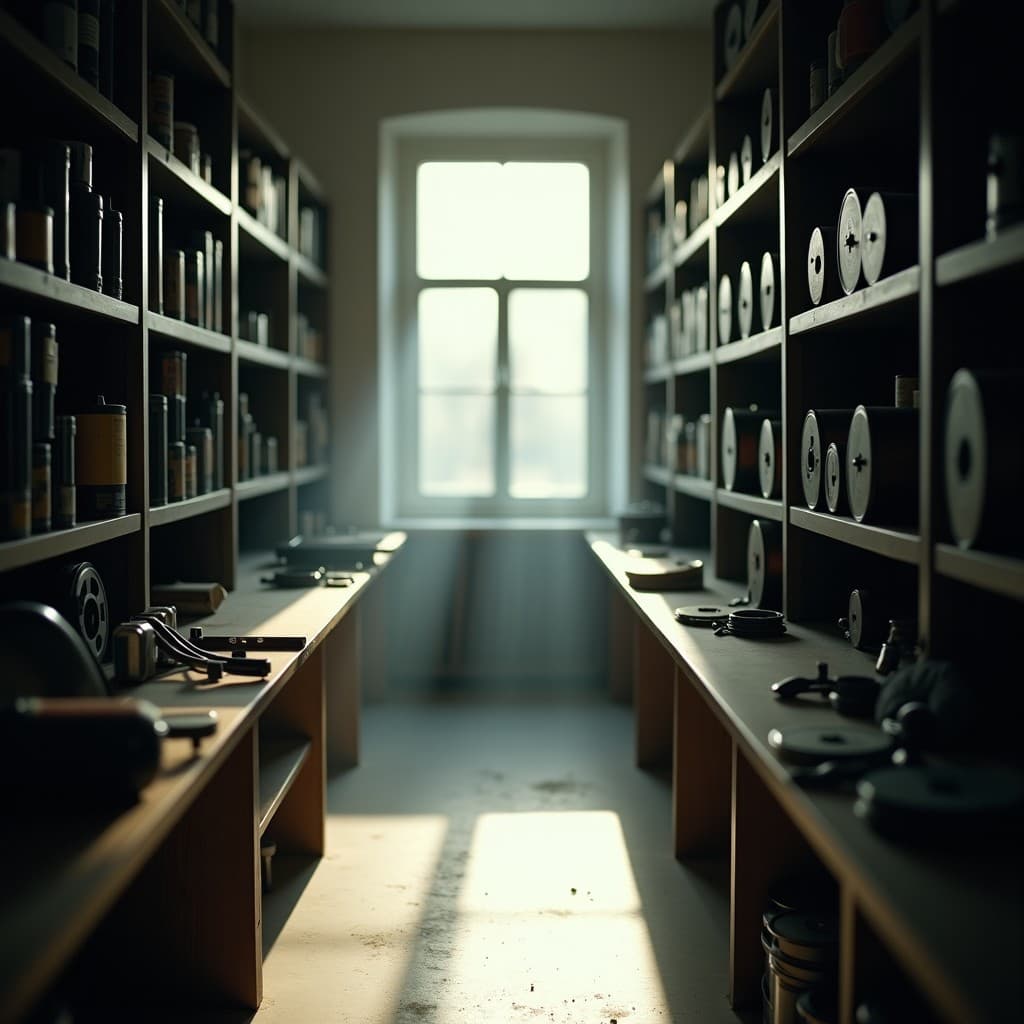
More than seven decades after Orson Welles shot the first frames of an ambitious adaptation of Don Quixote, a consortium of European film archivists may finally bring the project to completion, according to the Guardian. The effort draws on roughly 30 hours of footage held by archives in three countries, with the goal of realising the filmmaker's original vision. Welles began the project in the 1950s but left it unfinished at his death in 1985, leaving behind scattered materials and incomplete notes about his intentions.
The archival recovery reflects a broader international commitment to film preservation and the rescue of lost cultural works. The Guardian reports that the consortium is working across borders to locate, assess, and potentially reassemble materials that Welles left scattered. This kind of multinational effort—involving institutions from different countries sharing custody of fragments of a single work—has become increasingly common as digital technology makes it feasible to reconstruct works from dispersed sources. The Don Quixote project is notable for its scale and the iconic status of both the source material and the filmmaker.
For Italy, the project carries particular resonance. Welles filmed extensively in Spain and Italy during the production, and Italian archives hold a portion of the surviving footage. The effort to complete the film represents a kind of cultural archaeology—the recovery of a European modernist masterpiece that was lost not to war or disaster but to the vagaries of an artist's creative process and institutional neglect. The consortium's work suggests that archives across Europe now see value in collaborating across borders to preserve works of continental significance rather than hoarding them as isolated institutional holdings.
The timeline and feasibility remain uncertain. The Guardian does not specify how far the archivists have progressed or when a completed version might be released, only that they hope the 30 hours of available footage will prove sufficient. The project also raises interpretive questions: reconstructing an unfinished work requires decisions about what the artist intended, how to bridge gaps, and whether the result represents Welles's vision or an archival approximation of it. These questions have animated similar efforts to complete or restore lost modernist works, and they will likely shape how the finished Don Quixote is received and understood.