
TRENTINO-ALTO ADIGE
Ancient Alpine microbes yield living yeast as Ötzi mummy opens new research frontier
Scientists bake sourdough from 5,300-year-old iceman's gut bacteria, reviving Bolzano's most famous resident as research subject.
Klara Hofer458 wordsEdition №31Tuesday, 30 June 2026 — Edition № 31
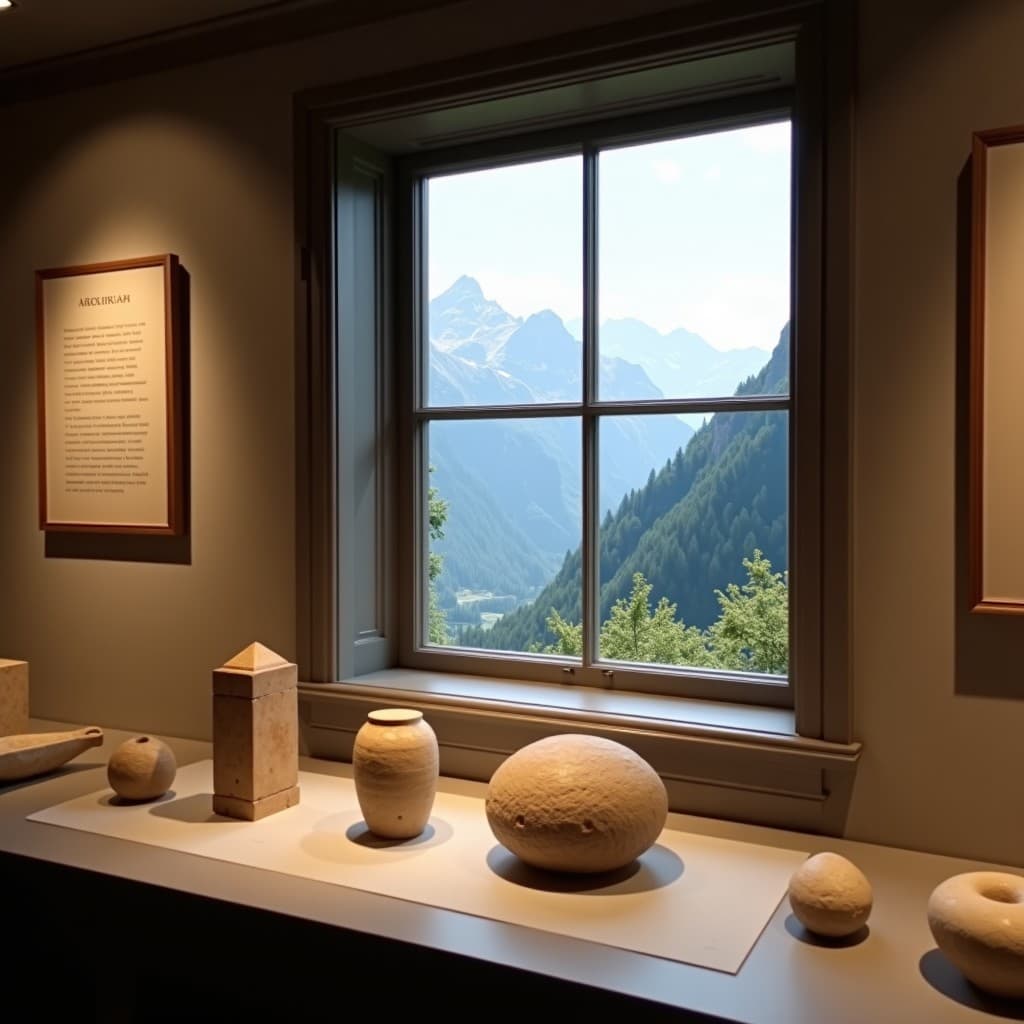
Scientists have baked sourdough bread using yeast found growing in the guts of Ötzi, the frozen mummy discovered in 1991 in the Italian Schnal Valley glacier, according to reporting from The Jerusalem Post. The iceman, who died around 3300 BCE, has been housed at the Archaeological Museum of Bolzano since his recovery and remains one of Europe's most studied archaeological specimens. The successful cultivation of living microbes from his preserved digestive system marks a new frontier in Alpine preservation science and underscores the museum's role as a centre for cutting-edge analysis of ancient human remains.
The microbial recovery demonstrates the extraordinary preservation conditions of the high Alps, where permafrost and low oxygen sealed Ötzi's body in a state that has allowed modern researchers to extract not only DNA but viable organisms. The yeast cultivation required careful laboratory technique to prevent contamination while coaxing dormant microbes back to metabolic activity. Baking sourdough with the recovered culture is both a practical validation of the microbes' viability and a symbolic gesture: it renders the ancient invisible visible, turning a five-millennia-old human's microbiome into bread that can be eaten and shared.
The work represents a shift in how Alpine archaeology engages with its most famous artefact. For decades, Ötzi studies focused on pathology, diet and material culture—the tattoos, the copper axe, the evidence of violence. The microbial work opens a different question: what can the living organisms that inhabited an ancient body tell us about prehistoric ecology, fermentation practices, and human adaptation to Alpine conditions. The Bolzano museum, which controls access to the mummy and coordinates international research, has positioned itself as a steward of this new investigative terrain.
The Archaeological Museum of Bolzano has held Ötzi since 1998, when the Italian government transferred the mummy from temporary storage in Innsbruck. The museum's climate-controlled chamber maintains the conditions necessary to preserve the body while allowing researchers from across Europe to conduct non-invasive and minimally invasive studies. The microbial cultivation required samples of intestinal tissue—material that previous autopsies had already exposed—and thus did not compromise the mummy's integrity. The successful recovery of viable yeast suggests that other dormant microbial species may persist in the preserved remains, opening possibilities for future research into ancient human health, disease and symbiosis.
The sourdough baking also carries a symbolic weight in the Alpine region. Sourdough fermentation is central to the bread cultures of both the Italian and German-speaking valleys; the yeast recovered from Ötzi connects contemporary baking practice to a human who lived at the threshold between the Neolithic and the Bronze Age. For Bolzano, the work reinforces the museum's international reputation and justifies the investment in preservation infrastructure. The yeast cultivation was collaborative—involving laboratories in multiple countries—and reflects the transnational character of Alpine research.
The Jerusalem Post reported the work without naming the specific institutions involved in the cultivation, but the recovery points to the museum's role as both custodian and research enabler. As climate change threatens Alpine glaciers and permafrost, the preservation of Ötzi and the knowledge embedded in his remains becomes more urgent. The microbial work suggests that the mummy still has surprises to yield, and that the Bolzano museum's mandate to study and protect him will remain active for decades to come.