
VENETO
Padua's intermodal hub joins PSA's Italian logistics push
Singapore port operator launches Padova terminal to expand multimodal capacity across northeastern Italy
Tommaso Veronese328 wordsEdition №31Tuesday, 30 June 2026 — Edition № 31
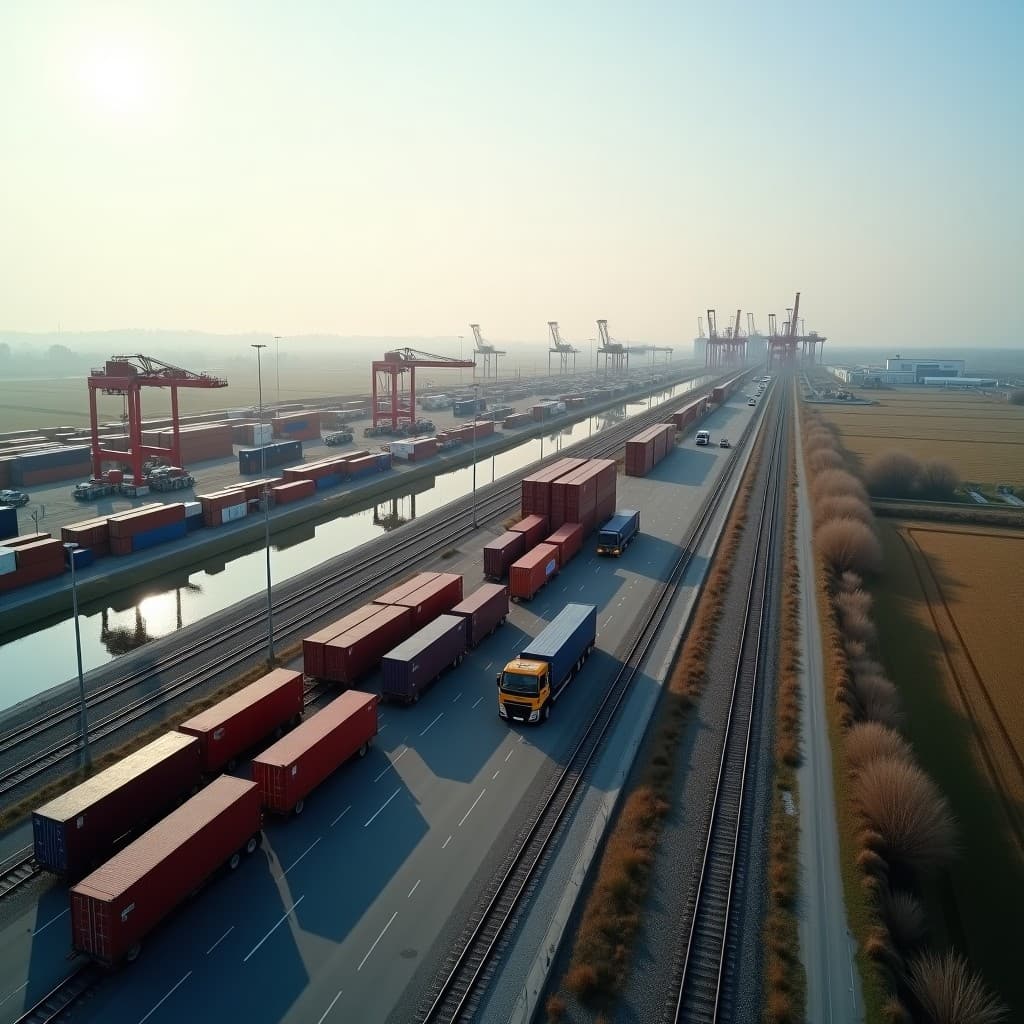
PSA, Logtainer and Interporto Padova have established a joint venture called PSA Padova to manage and develop Padua's intermodal terminal, according to Seatrade Maritime News. The agreement, signed on June 29, positions the facility as a multimodal hub designed to handle container transfers between rail, road and waterway networks across northeastern Italy.
The move reflects growing competition among European logistics operators to consolidate inland terminal capacity. Padua, located at the heart of the Veneto export corridor, sits at the intersection of rail lines connecting to northern Europe and road networks serving the region's small-firm manufacturing districts. The terminal's development could reshape how goods from the Veneto's eyewear, textile and machinery sectors reach continental markets without routing through congested coastal ports.
PSA's entry into Padua follows a broader strategy by the Singapore operator to expand beyond port terminals into intermodal logistics across Europe. The company has positioned itself as a manager of multimodal networks that reduce reliance on single chokepoints—a model increasingly attractive to shippers navigating supply-chain fragmentation and the shift away from just-in-time delivery.
For Veneto, the terminal development carries particular weight. The region's export economy depends on rapid, cost-efficient movement of small shipments across Europe; the Padua hub could reduce transit times and costs for firms in the district clusters around Treviso, Vicenza and Verona that produce specialized goods—from Prosecco and wine to machinery and textiles—destined for EU and international markets. Rail connections from Padua to Alpine passes and northern European gateways have long underperformed relative to road transport; improved intermodal infrastructure could shift that balance.
The venture also signals confidence in northeastern Italy's logistics future despite broader challenges. The region faces rising energy costs, labor shortages in warehouse and transport sectors, and competition from eastern European hubs. A modern intermodal terminal, managed by an operator with global scale, may help offset some of those disadvantages by offering shippers reliable, integrated connections they might otherwise source elsewhere.