
OPINION
Palermo's Baroque Stage and the Guests It Did Not Choose
Editorial Board397 wordsEdition №8Monday, 8 June 2026 — Edition № 8
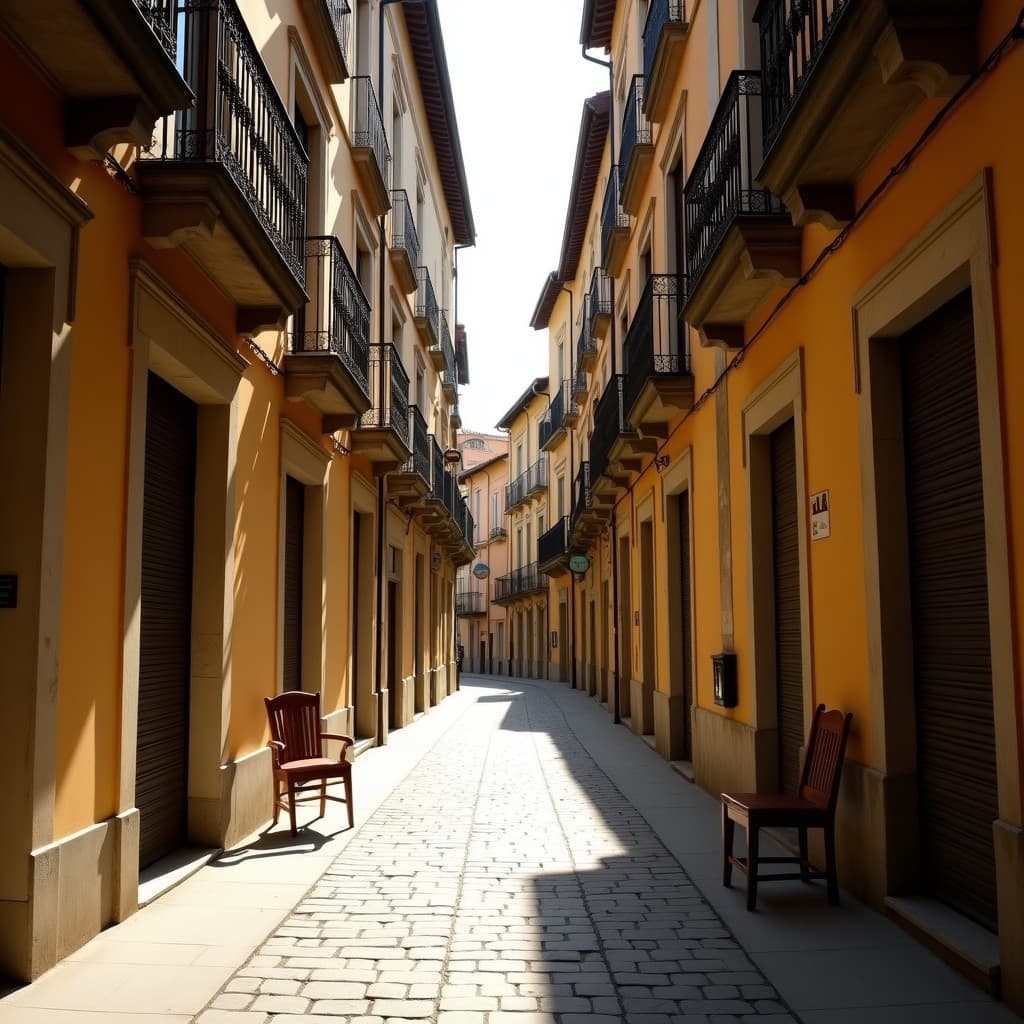
The Guardian reported this week that the wedding celebrations of Dua Lipa and Callum Turner in Palermo have divided the city's residents. One local shopkeeper, quoted by the Guardian's correspondent, captured the ambivalence precisely: she said she could understand the disruption if it had been arranged for the pope. The remark is not merely wry. It draws a line between the sacred and the commercial, between a city hosting something that belongs to its own history and a city rented out as scenery for someone else's occasion.
The Guardian described road closures and what some residents called the transformation of the historic centre into a theme park. This is the language that has attached itself to Venice, to Florence, to the Amalfi Coast — and it is significant that it is now being used in Palermo, a city that only a decade ago was more often reported in the international press for urban decay and organised crime than for its desirability as a luxury destination. The shift in framing is not without meaning: Palermo has worked hard for a different kind of international attention, and the wedding is, in one reading, evidence that it has succeeded.
Yet the paradox that the Guardian's reporting surfaces is one we have observed across Italian cities in recent weeks. The Local Italy reported that Florence has extended its ban on new short-term tourist lets beyond the historic centre into nine residential neighbourhoods, responding to what the city council identified as a surge in Airbnb-type listings. The same publication noted that other Italian cities are moving in the same direction in the absence of national legislation. The pattern is consistent: the places the world most wishes to inhabit are becoming, by degrees, uninhabitable for those who actually live in them.
We do not suggest that celebrity visitors or foreign tourists are the cause of a structural problem they merely illuminate. The cause is a political economy that has found it easier to monetise heritage than to govern it. What the Palermo wedding does, with the particular efficiency of a global news story, is compress that slow problem into a single weekend of road closures and press photographs. The world sees a beautiful baroque city and a glamorous occasion. Some of the people who live on those streets see something else: the ongoing negotiation, never quite resolved, between a place and its image.