
OPINION
Palermo and the Price of Being Looked At
Editorial Board440 wordsEdition №9Tuesday, 9 June 2026 — Edition № 9
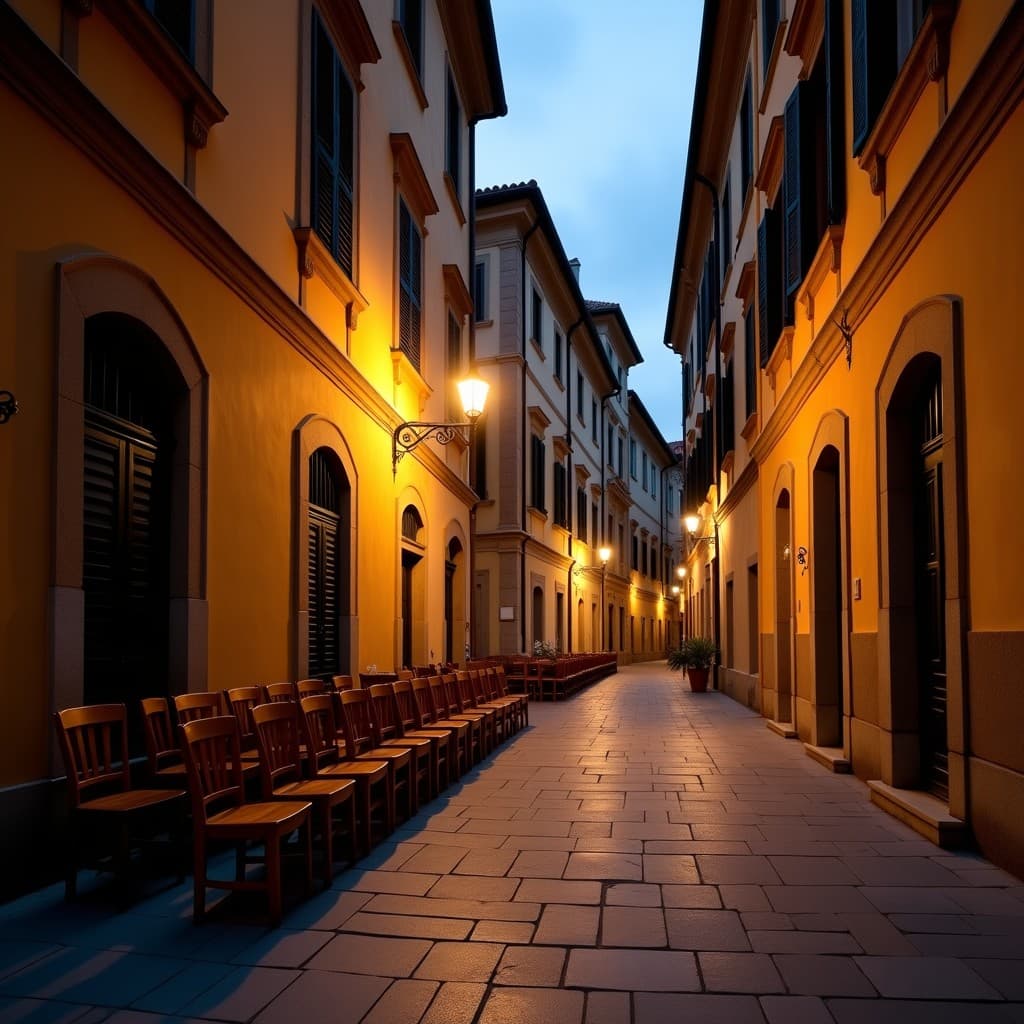
The Guardian's correspondent in Palermo filed a dispatch this week that deserves more attention than the celebrity occasion that prompted it. Dua Lipa and Callum Turner chose Sicily's capital for a wedding celebration, and the city divided. Some residents expressed pride; others, the Guardian reported, lamented road closures and what one person described as the transformation of the city into a theme park. A shopkeeper near the baroque gallery in the historic centre was quoted as saying she could understand the disruption if it were for the pope — a remark that carries, in its dry hierarchy of worthy visitors, a great deal of Palermitan wit.
The theme-park accusation is not new. It has been levelled at Venice for years, and at Florence, and at the more photogenic quarters of Rome. What makes the Palermo case worth examining is that it arrives in a city whose relationship with outside attention has historically been complicated by neglect as much as by excess. Palermo was not, until recently, a destination that the international leisure industry fought over. The Guardian's framing — a city divided, proud and resentful in the same breath — suggests that the dynamics of overtourism are now reaching places that once considered themselves beyond its orbit.
There is a structural point here that the foreign press circles without always landing on directly. The tension in Palermo is not simply between locals and tourists. It is between two ways of valuing a place: one that measures a city by what it offers to those passing through, and one that measures it by what it sustains for those who remain. Road closures for a wedding party are a minor inconvenience; the deeper question, which the Guardian's correspondent allows to surface through the voices of residents, is who the city is being managed for. That question does not have a Sicilian answer or a national answer. It has a European one, and the international press, to its credit, is beginning to ask it.
We would add only this. The same week that Palermo's streets were closed for a celebration, ten people died in the waters between Libya and Malta — waters visible, on a clear day, from the Sicilian coast. The juxtaposition is not an argument; it is simply a fact about the range of things that happen in and around this island, and about the range of things the world chooses to report. Both stories appeared in the international press within days of each other. Reading them together is, we think, the beginning of understanding what Sicily actually is, as opposed to what any single visit, or any single headline, suggests.