
SICILIA
Palermo's luxury wedding boom stirs local resentment over tourism's reach
Star-studded Dua Lipa celebration sparks protest; debate widens over who benefits from destination events
Concetta Vassallo398 wordsEdition №15Sunday, 14 June 2026 — Edition № 15
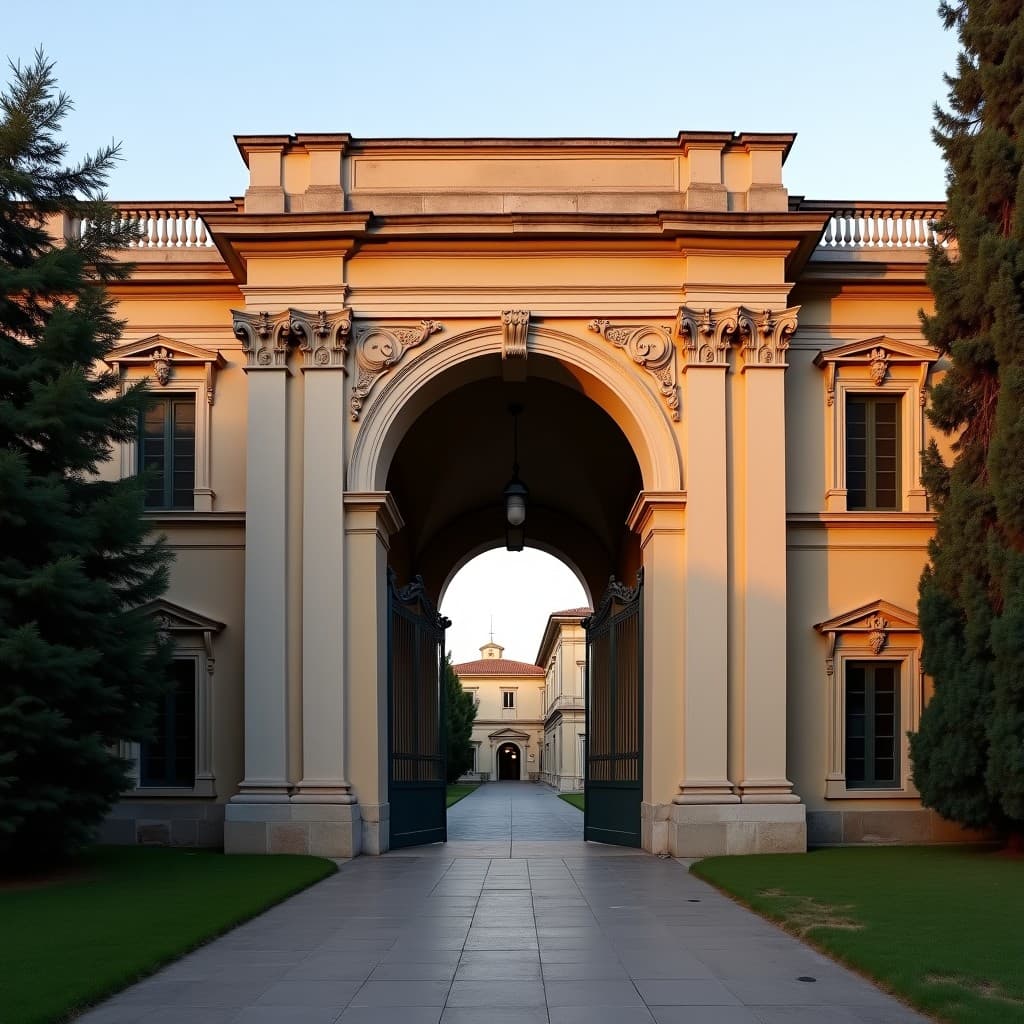
Pop star Dua Lipa and actor Callum Turner held a three-day wedding celebration in Palermo beginning June 5, according to CNN and Newsweek, drawing hundreds of guests to Villa Valguarnera in the heart of Sicily's capital. The event included performances by Elton John, Martin Garrix and David Guetta, and according to Yahoo, the couple spared no expense. However, Newsweek reported that locals responded with protest, with signs expressing resentment over the scale and exclusivity of the celebration.
The backlash reflects a wider tension in Palermo, where tourism and destination events have become increasingly prominent in the city's economy and public life. CNN described the wedding as a glamorous affair, but the local response signals growing friction between the spectacle of international celebrity tourism and residents' stake in their own city. Newsweek noted that the couple is known for frequent travel, and the choice to hold a major celebration in Palermo places the city within a circuit of luxury destination events that increasingly shape how it is perceived abroad.
Palermo has emerged in recent years as a destination for high-profile events and wealthy visitors seeking Mediterranean authenticity and heritage. However, the city's growing appeal to international wealth has created visible divides: neighbourhoods marketed to tourists sit alongside areas of economic strain, and the benefits of tourism spending often concentrate in specific sectors and districts. The Dua Lipa wedding illustrates this dynamic—a three-day event of global celebrity profile, held in one of Palermo's most exclusive venues, generating international media coverage while local residents expressed their exclusion through protest.
The incident points to a pattern foreign correspondents have noted across Mediterranean cities: the tension between heritage tourism and the lived experience of residents. Palermo's baroque architecture, street life and culinary reputation have made it increasingly attractive to wealthy tourists and event organisers, but this appeal has not translated evenly into economic benefit or civic investment. The local protest suggests that Palermo residents perceive these events as extractive—drawing on the city's cultural capital while offering little in return to those who live there.
For Palermo's municipal authorities and tourism bodies, the wedding backlash presents a challenge: how to position the city as an international destination without appearing to cater exclusively to foreign wealth at residents' expense. The incident is unlikely to deter future celebrity events, given the profile and revenue they generate. However, it signals that Palermo's growth as a destination is beginning to provoke the same civic tensions that have marked Venice, Florence and other Italian cities where tourism has reshaped public space and local life. Whether the city can navigate this pressure—balancing international appeal with residents' claims on their own city—remains an open question.