
CAMPANIA
Pompeii enters the streaming age as Disney pairs volcano with celebrity
National Geographic docudrama with Tom Hiddleston turns ancient eruption into prestige television, raising questions about how heritage sites are packaged for global audiences.
Rosaria Esposito486 wordsEdition №20Friday, 19 June 2026 — Edition № 20
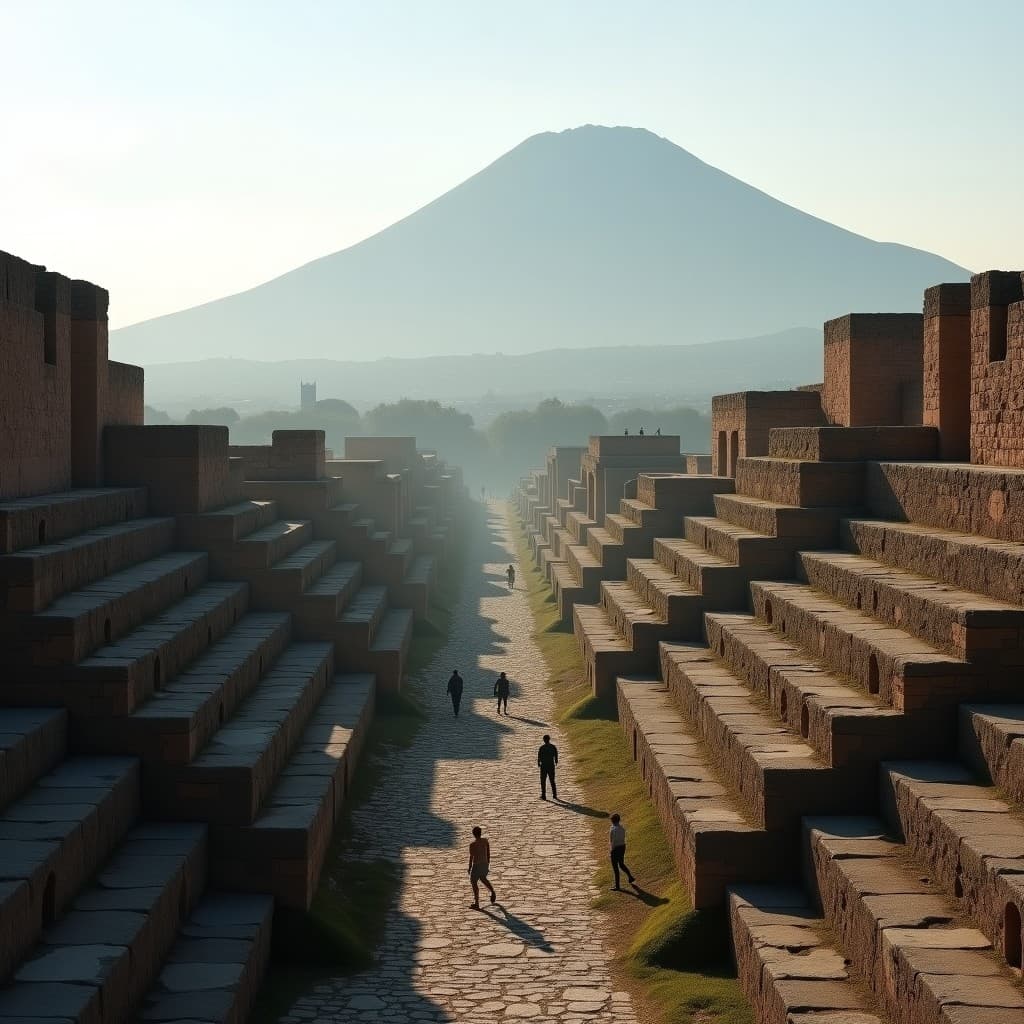
Pompeii: Out of Time with Tom Hiddleston, a National Geographic docudrama arriving on Disney Plus, pairs a celebrity narrator with the catastrophe that buried the Roman city nearly two millennia ago. According to Polygon, the series emerged from a joke in the Marvel series Loki and expands into a three-part examination of how Vesuvius's eruption destroyed Pompeii and preserved it for modern study. The move represents a broader shift in how streaming platforms are acquiring and reframing heritage narratives for international audiences.
The Campania region has long struggled with how Pompeii is represented abroad. Foreign media coverage tends to frame the site through spectacle—the drama of instantaneous burial, the frozen moment of Roman life—rather than the complexities of archaeological work, conservation challenges, or the city's place in the modern Campanian economy. Streaming's entry into this space amplifies that tendency. A celebrity-fronted docudrama reaches vastly larger audiences than traditional documentary or academic work, but it also flattens the site into entertainment, one more prestige narrative competing for attention on a global platform.
The series joins earlier efforts by streaming and entertainment companies to claim Pompeii as content. Vesuvius eruption narratives have become recurring prestige television material, and the choice to pair it with a recognizable actor signals how far the packaging has evolved. For Naples and Campania, the consequence is double-edged: global visibility and tourism interest, but also the risk that Pompeii becomes consumed by the logic of streaming—a story told to maximum dramatic effect, to be consumed and forgotten, rather than a living archaeological site whose study and preservation demand sustained attention and resources.
Polygon reported that the docudrama was greenlit after the production team behind Loki noticed a recurring joke in the series about the Roman Empire, and the connection prompted the development of a National Geographic project examining the historical event itself. The three-part structure allows for depth beyond typical documentary formats, though the emphasis on celebrity narration—a common streaming strategy—suggests the priority is narrative engagement over scholarly depth.
Tourism to Pompeii has surged in recent years, driven partly by streaming and social media. The site now faces mounting pressure from visitor volume, conservation costs, and the tension between access and preservation. A celebrity-fronted series will almost certainly drive further interest, potentially straining the archaeological site's ability to manage crowds and maintain its physical integrity. For Campania, which depends heavily on heritage tourism, the question becomes whether the attention translates into sustained funding for conservation or merely into short-term visitor spikes that leave the underlying infrastructure unchanged.