
INTERNATIONAL
Pope Leo takes migration message to Lampedusa as Trump marks Independence Day
The pontiff's visit to Italy's migrant gateway will create a stark contrast with American Fourth of July messaging on the same day.
Saverio Gallo462 wordsEdition №34Friday, 3 July 2026 — Edition № 34
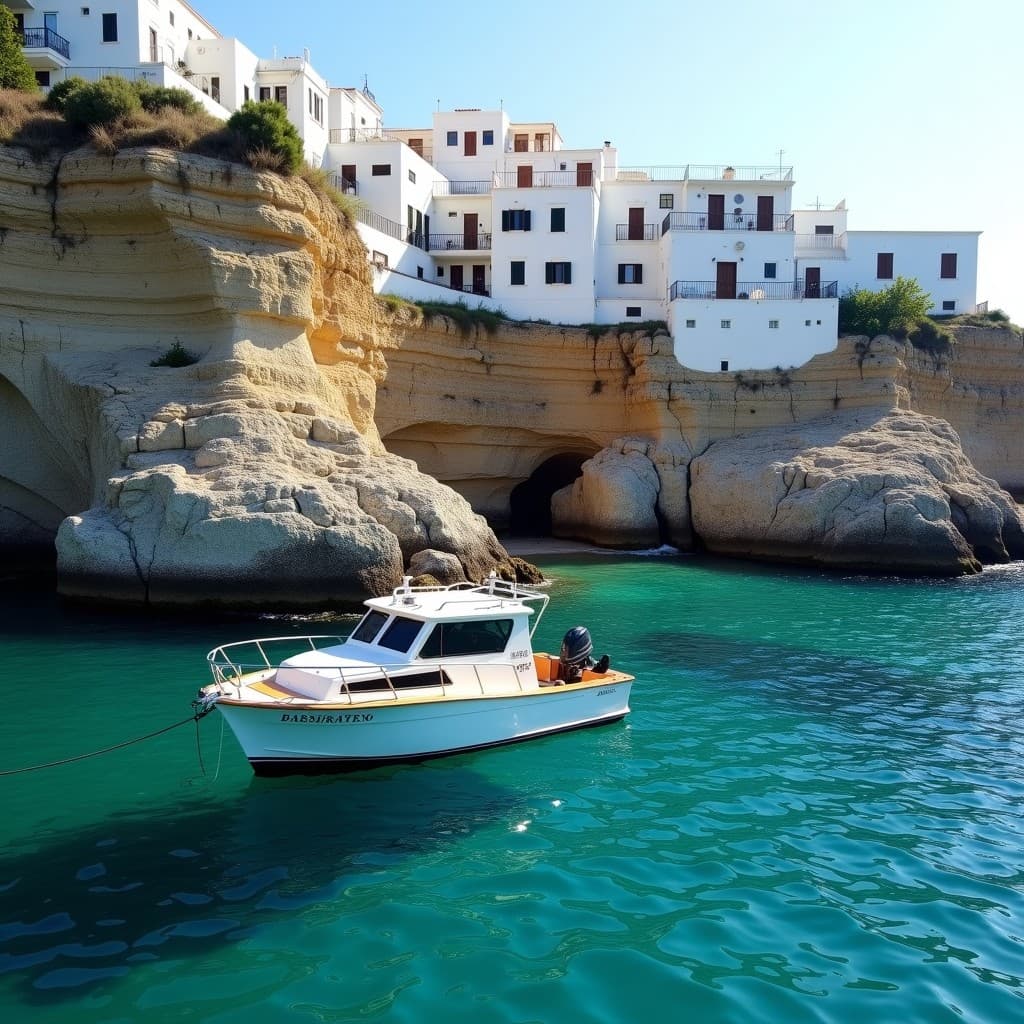
Pope Leo XIV will travel to Lampedusa on July Fourth, according to the Washington Post, in a carefully timed visit that will set up a symbolic split-screen moment between the pontiff's emphasis on migrants' dignity and President Donald Trump's Fourth of July rally messaging. Lampedusa, the Italian island off Sicily that serves as the Mediterranean's primary gateway for migrants attempting to reach Europe, has become the focal point of both humanitarian concern and political contention across the continent. The timing of the papal visit—coinciding with American Independence Day celebrations—appears deliberate, positioning the Church's institutional voice on migration directly against the backdrop of Trump's nationalist political messaging.
The Washington Post framed the visit as Pope Leo's effort to send a message about migrants at a moment of heightened political tension over asylum and border control. Lampedusa has absorbed thousands of arrivals in recent months, straining the island's reception capacity and becoming a symbol of Europe's migration crisis. The pontiff's presence there underscores the Vatican's commitment to framing migration as a moral and humanitarian issue rather than a security or sovereignty concern, a position that stands in sharp contrast to the restrictionist rhetoric dominating Western politics. The visit also signals Pope Leo's willingness to engage directly with the Mediterranean frontier—a region where Italian policy, European law, and global migration pressures collide with particular intensity.
For Calabria, Lampedusa's crisis reverberates across the Strait of Sicily. The region's own ports and coastline have long absorbed migrant flows, and Calabrian municipalities have grappled with reception capacity, labour integration, and the social costs of irregular migration. The Riace model—the now-infamous experiment in migrant integration in Calabria's Ionian coast—demonstrated both the possibilities and the political backlash that come when communities attempt to absorb arrivals on a significant scale. Pope Leo's visit to Lampedusa, by contrast, offers a Vatican-backed moral framing of the same phenomenon: not a regional problem to be managed, but a human crisis demanding institutional compassion.
The pontiff's timing also reflects the broader European context. Italy's government, under Prime Minister Giorgia Meloni, has pursued an increasingly restrictionist migration policy, including the controversial Albania detention facility that has drawn scrutiny from EU lawmakers and human rights organisations. A papal visit to Lampedusa during this period sends a message that the Church will not align with state-level deterrence strategies, even as European governments harden their borders. The Vatican's institutional voice on migration carries weight across Catholic-majority populations and in international diplomatic circles, and Pope Leo appears to be using this leverage to maintain a countervailing position to nationalist politics at a moment when such dissent is increasingly rare among major institutions.