
LAZIO
Pope uses July 4 visit to Lampedusa to challenge US and Europe on migration
Leo marks American anniversary at gateway island, rebuking Trump administration's immigration stance
Davide Ruspoli798 wordsEdition №36Sunday, 5 July 2026 — Edition № 36
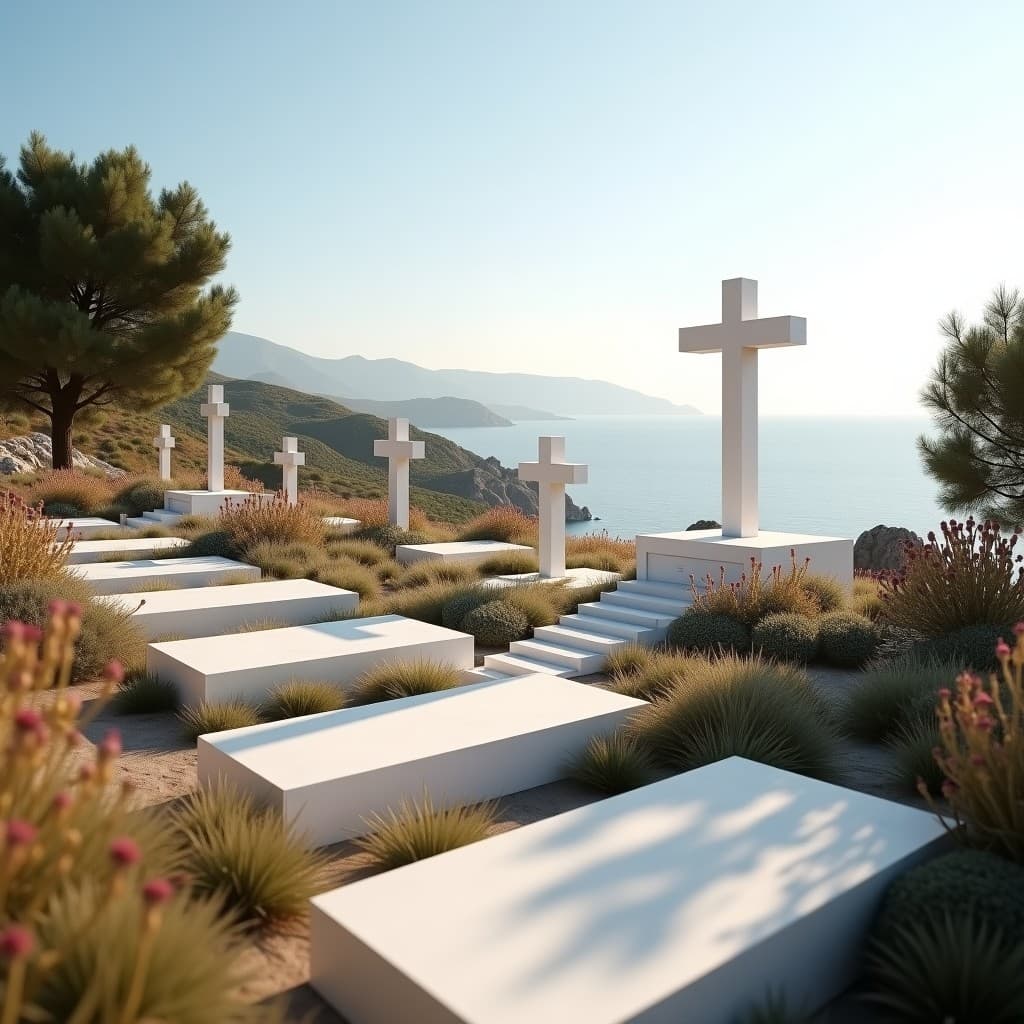
Pope Leo marked the United States' 250th anniversary on Saturday by visiting the Italian island of Lampedusa, a symbolic choice that underscored his break with the Trump administration over immigration policy. According to the BBC, the pontiff began the pastoral visit with prayers at a cemetery where migrants who died in Mediterranean shipwrecks are buried, including two infants. The visit placed Leo, the first American-born pope, at the epicenter of Europe's migration debate on a day when his home country was celebrating its founding ideals.
In remarks broadcast from the island, Leo called on European leaders to rise to the "momentous challenge" of migration, according to the BBC. "Those who have lost their lives in this sea are victims both of decisions that were made and of decisions that were not made," the Pope said. Reuters reported that Leo used the occasion to appeal directly to Americans, praising the nation's historical tradition of welcoming immigrants and urging citizens to live up to the Declaration of Independence. The timing was pointed: as the Guardian noted, Leo has already sparred publicly with the Trump administration over its immigration crackdown.
The visit carried diplomatic weight beyond its pastoral dimensions. CBS News reported that the US ambassador to the Holy See attended the visit and presented Leo with a commemorative baseball, apple pie and a World Cup jersey—gestures that underscored both the relationship and the underlying tension between the Vatican and Washington. The choice of Lampedusa, where tens of thousands of migrants have arrived in recent years seeking entry to Europe, made the Pope's message unmistakable: a direct challenge to anti-immigrant sentiment in both the US and the European Union.
From Rome's perspective, the visit signals a significant shift in how the Vatican under Leo intends to project papal authority on the global stage. The Pope has made migration and human dignity central to his early papacy, and Lampedusa—located in Sicily, within Lazio's broader Mediterranean sphere—has become his chosen symbol for that commitment. The island has long been the flashpoint for European migration policy; it is the first Italian territory many African migrants reach, and it has witnessed repeated maritime tragedies that have drawn international scrutiny.
According to France 24, Leo's visit represented a "symbolic rebuke" to anti-immigrant rhetoric from both US and EU political factions. The Pope's willingness to use an American national holiday to challenge his home country's immigration policy reflects a Vatican strategy of moral leadership on issues where secular governments have retreated. The Washington Post reported that Leo stressed human dignity and told America that in "every generation" immigrants "helped to shape the nation's character."
The visit also reflects a broader repositioning of the Vatican's diplomatic role. Leo, unlike his predecessors, has direct ties to American politics and American public opinion. His choice to spend July 4 not in Rome or at the Vatican, but on a small Mediterranean island known for migrant arrivals, signals that the Church intends to maintain a prophetic distance from the governments it engages with—including the US government. For Rome and the Italian state, which hosts both the Vatican and manages Lampedusa as an entry point, the papal visit reinforces the tension between Italy's own hardline immigration policies under the Meloni government and the moral authority the Church claims to exercise over such questions.