
CALABRIA
Pope marks US anniversary on migration frontier with call for compassion
First American pontiff visits Lampedusa on July 4, urging Americans and Europeans to welcome immigrants
Saverio Gallo543 wordsEdition №36Sunday, 5 July 2026 — Edition № 36
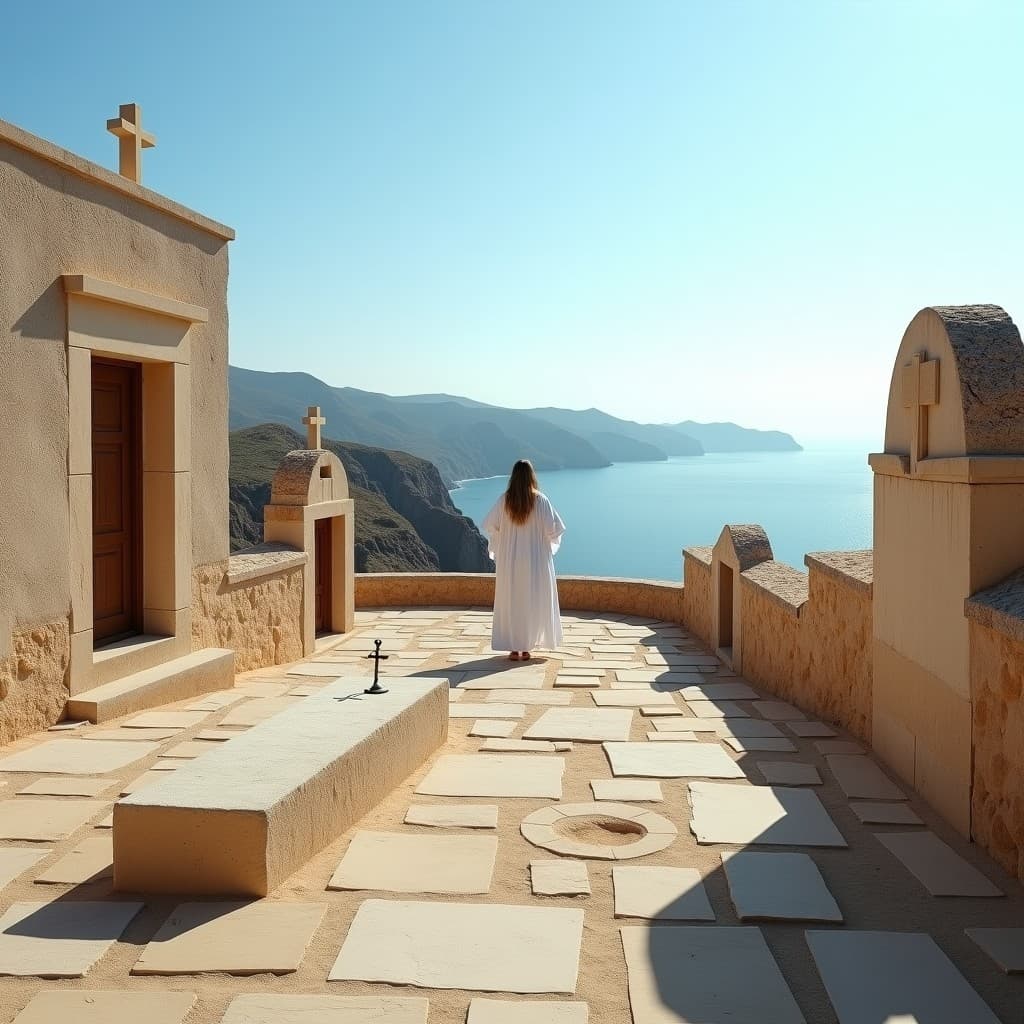
Pope Leo arrived on Lampedusa on Saturday, July 4, marking America's 250th birthday at the frontlines of Europe's migration crisis. According to AP News and Reuters, the Chicago-born pontiff began his pastoral visit at the "Door to Europe," a memorial to migrants who have died crossing the Mediterranean, and prayed at a cemetery where migrants are buried. The BBC reported that the Pope told European leaders they face a "momentous challenge" in handling migration, saying those who have lost their lives at sea "are victims both of decisions that were made and of decisions that were not made."
In his message to Americans, the Pope urged the US to live up to the ideals of the Declaration of Independence by welcoming immigrants with "compassion and generosity," according to NBC News and the Washington Post. The Guardian reported that the Pope praised America's historical tradition of receiving migrants, framing immigration as central to the nation's character. CNN noted that the first American pontiff used the timing of July 4 to deliver an implicit rebuke to anti-immigration rhetoric, particularly from the Trump administration, which has pursued an immigration crackdown that has drawn Vatican criticism.
France 24 described the visit as "symbolic," positioning the Pope's presence on Lampedusa as a direct challenge to hardening migration policies in the US and European Union. The CBS report noted that the US ambassador to the Holy See gave the Pope a commemorative baseball, apple pie, and a US World Cup jersey—gestures that underscored the diplomatic weight of the moment.
For Calabria, the Pope's visit to Lampedusa carries particular resonance. The island lies at the southern edge of the Mediterranean crossing route that terminates in Calabrian ports and beaches. According to international migration coverage, Lampedusa remains one of Europe's most exposed points for arrivals from North Africa, with tens of thousands of migrants attempting the crossing each year. The BBC noted that the island has become synonymous with the human cost of migration policy—a status the Pope's visit sought to reframe as a moral crisis rather than a security problem.
The Pope's intervention comes as European governments, including Italy's, have tightened border controls and offshore processing. Le Monde reported that the pontiff called on both the US and EU to "change their migration strategies," a message that echoes criticism from international human rights organizations of Italy's own hardline approach to maritime rescue and reception. The Guardian's Rome correspondent noted that the Pope's choice of Lampedusa over other symbolic sites underscored his focus on the Mediterranean as the defining moral frontier of Western policy.
The regional consequence is immediate. Calabria has absorbed thousands of migrants in recent years, both through direct landings on its Ionian and Tyrrhenian coasts and through distribution from reception facilities. The Pope's framing of migration as a question of human dignity—rather than a law-and-order matter—stands in tension with the security-focused narratives that have dominated Italian and European political discourse. Whether his moral authority translates into policy shift remains uncertain, but his presence on Lampedusa signals that the international Church will continue to challenge the legitimacy of restrictive migration regimes.