
PUGLIA
Pope marks July Fourth at migrant cemetery, rebuking Western indifference
Pontiff's Lampedusa vigil challenges Trump and EU as Mediterranean becomes moral test
Francesca Lazzari547 wordsEdition №38Tuesday, 7 July 2026 — Edition № 38
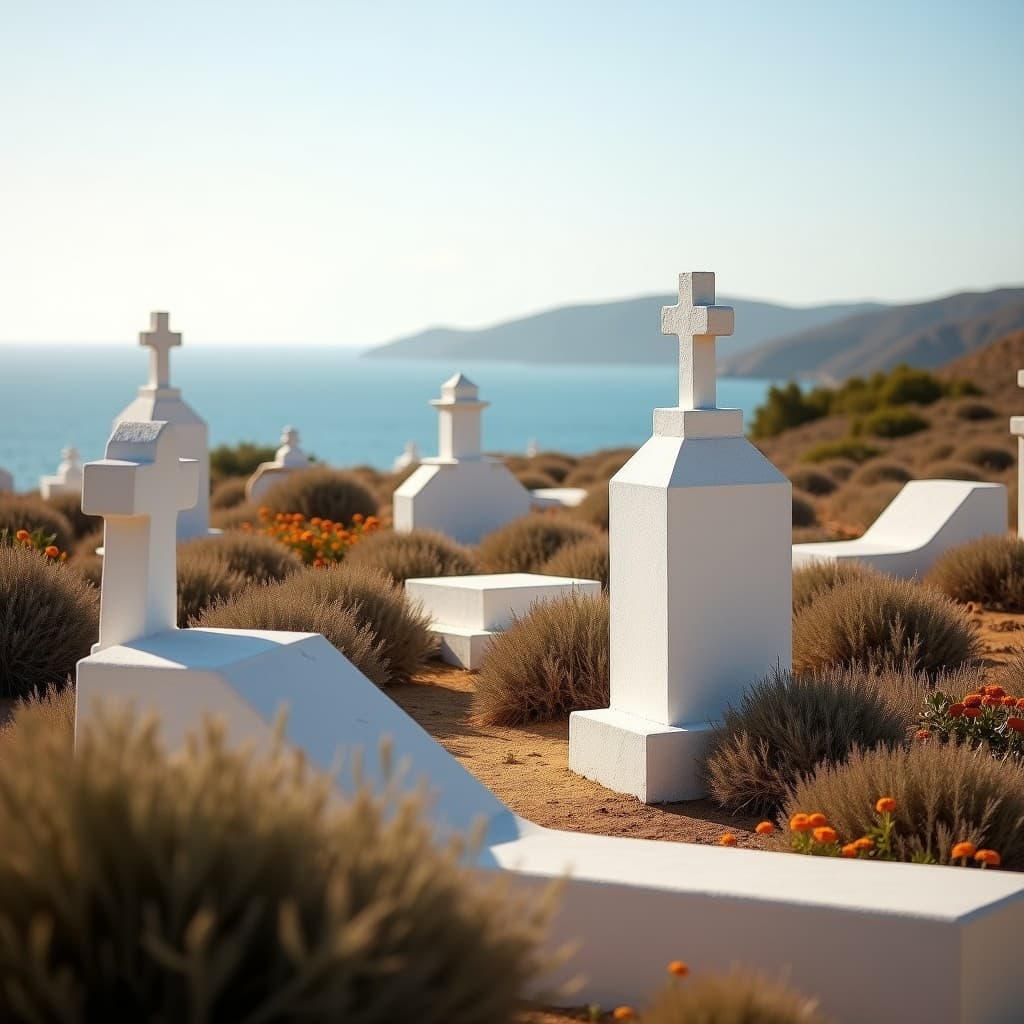
Pope Leo XIV arrived on Lampedusa on Saturday, July 4th, to pray at the cemetery where tens of thousands of migrants who died crossing the Mediterranean lie buried. According to the BBC and France 24, the pontiff's choice of date—America's Independence Day—and location was deliberate: a symbolic rebuke to the anti-immigrant rhetoric dominating US and European politics. The Pope paid tribute to migrants, including two babies, whose tombs mark the island as the gateway to Europe's deadliest frontier.
In his first major address to his home country, reported by the Guardian, Pope Leo praised the United States' historical commitment to welcoming migrants and urged Americans to live up to the ideals of the Declaration of Independence. The Vatican's own framing, cited by France 24, cast the visit as a direct challenge to what it called 'anti-immigrant rhetoric coming from US and EU political factions.' CBS News reported that the US ambassador to the Holy See presented the Pope with a commemorative baseball, apple pie and World Cup jersey—a ceremonial gesture that underscored the diplomatic stakes of the encounter.
The timing amplified the message. While Trump's administration has pursued a hardline immigration crackdown, the Pope stood in the epicenter of Mediterranean migration—a place where, according to France 24, migrants 'risked the perilous crossing from North Africa' in search of 'freedom and prosperity.' This was not a Vatican statement issued from Rome; it was a pilgrimage to the physical site where European migration policy meets human mortality.
For Puglia, Lampedusa's symbolic weight carries economic and social consequence. The island lies at the threshold of the Adriatic and Mediterranean routes that feed Italy's southern ports—Bari, Brindisi, Taranto—with both migrants and the search-and-rescue operations that follow. The Pope's visit, framed by international media as a moral challenge to Western democracies, reinforces what the foreign press has already established: that Italy's southern frontier is where Europe's migration debate becomes unavoidable.
France 24 noted that the Pope's rebuke came as the Trump administration doubled down on immigration restrictions, while the EU itself has tightened border controls. The Guardian's coverage emphasized the moral dimension: in an era when world leaders from Trump to Putin to Netanyahu are seen by the international press as abandoning basic ethical standards, the Pope positioned the migrant crisis as a test of whether the West still recognizes its own founding principles. For a region like Puglia, where tourism and agriculture depend on regional stability and where migration shapes daily life, that moral reckoning has concrete weight.
The Pope's visit also underscores what the BBC called Europe's need to 'do more for migrants'—a challenge directed not only at the US but at EU member states, including Italy itself. The foreign press coverage suggests that Rome's position, caught between EU border policy and the Pope's moral authority, remains unresolved. Lampedusa remains the visible crisis; the Pope's July 4th vigil made clear that it is also a test of the West's conscience.